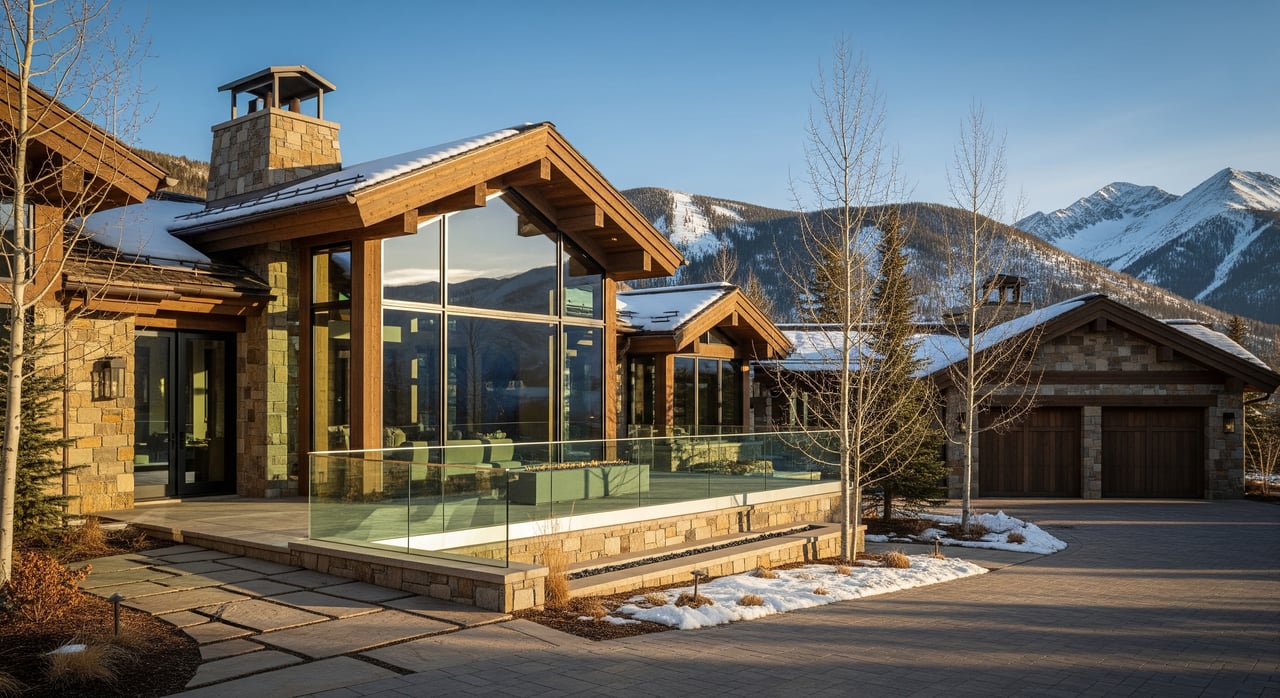
What Is My Vail Home Worth? Get A Pro Valuation
January 15, 2026
January 15, 2026
Wondering what your Vail home is really worth right now? In a resort market like Vail, two homes on the same street can sell for very different prices because of ski access, views, finish level, and rental performance. If you are considering a sale or refinance, getting a professional, senior-led valuation will give you a clear range and a plan. In this guide, you’ll learn what drives value in Vail, how pros price homes, what to prepare, and how timing can influence your outcome. Let’s dive in.
Ski-in and ski-out access, or steps to a lift or gondola, commands a meaningful premium in Vail’s resort micro-markets. Properties in Vail Village, Lionshead, and mid-mountain areas typically attract buyers who want immediate access and convenience. Homes in West Vail and East Vail often require a drive or shuttle, which affects pricing and days on market. Winter accessibility also matters, including plowed roads and driveway grade.
Unobstructed views of the ski slopes, the Gore Range, Gore Creek, or open alpine terrain are durable value drivers. Orientation and sun exposure affect winter light, snow retention on roofs and driveways, and energy costs. Buyers factor these into comfort and operating costs over time.
Updated kitchens and baths, high-end finishes, and mechanical upgrades increase buyer appeal and appraised value. Work such as new windows, insulation, or roof replacements signals lower near-term maintenance. Mountain-friendly features like mudrooms, ski and gear storage, and heated driveways are especially valuable in resort settings.
Single-family homes, townhomes, condos, and fractional interests serve different buyer pools and financing paths. Usable square footage, bedroom and bath count, storage, and guest flow are critical, especially if short-term rental income is part of your strategy.
Documented short-term rental performance can support value for investor buyers using an income lens. Appraisers and lenders often require historical rental statements and conservative assumptions. Local short-term rental rules and HOA policies also influence the transferability of income.
HOA dues and what they include matter when comparing condos and townhomes. Services like snow removal, utilities, on-site management, and shuttle access can justify higher dues for second-home buyers. Special assessments or low reserves can reduce marketability.
Vail Village, Lionshead, West Vail, East Vail, Red Sandstone, Vail Golf Course, and nearby areas each have distinct buyer profiles and pricing. Proximity to restaurants, the free shuttle, and community amenities affects demand and time on market.
Resort markets are seasonal. Listing and buyer activity often cluster in late spring to early summer and again in early winter. Low transaction counts for unique properties mean comps can be limited, which increases price variability.
Most residential pricing relies on a sales comparison analysis. We select true comparables from recent sales, then adjust for ski access, views, condition, size, layout, HOA structure, and parking. In a low-volume resort market, judgment matters because comps may be older or farther afield.
If your property operates as a short-term rental, we analyze income using a Gross Rent Multiplier or a capitalization rate. This requires accurate, documented statements that account for seasonality and owner-use days. Current market cap rates vary by property type and risk profile.
For some properties, we consider land value plus replacement cost less depreciation. This is less common for older or highly customized homes where comparable sales better reflect the market.
Automated estimates can be a starting point, but they often miss unit-level details like renovations, furnishings, ski access, and STR performance. A local CMA or appraisal is more reliable in Vail’s heterogeneous market.
Refi and purchase appraisals follow standard methods and often take a conservative view of rental income. Expect a resort-experienced appraiser for complex properties and allow for scheduling lead time.
Prepare these items to speed accuracy and reduce back-and-forth:
For official records and tax assessments, start with the Eagle County Assessor. For local STR licensing and rules, check the Town of Vail and your HOA.
Deliverables include a recommended price range, comparable sales and adjustments, active and pending inventory, and tactical suggestions to improve marketability.
Rental income can support value when it is documented, repeatable, and legally compliant. Collect 12 to 24 months of booking data, occupancy, ADR, and P&Ls. Note owner-use days and any seasonality that affects rates and occupancy.
Before assuming income transfers to a buyer, verify local licensing and HOA policies. Review the Town of Vail short-term rental regulations and confirm HOA rules in writing. For market benchmarks and seasonality, tools like AirDNA can help you understand occupancy and ADR trends.
Lenders and appraisers often use conservative income figures and may require historical documentation. If you plan to refinance, coordinate appraisal timing with your lender and confirm that the appraiser understands resort properties.
Vail’s buyer traffic rises in late spring to early summer and again in early winter. Listing during high-demand windows can improve exposure and pricing. If your home relies on STR income, align your strategy with the booking calendar and existing reservations.
We also keep tabs on current inventory versus historical norms. In a market with few true comps, timing and presentation can make a meaningful difference in outcomes.
A senior-led valuation looks beyond surface comps and documents premiums for ski access, protected views, and renovated systems. We quantify what buyers will pay for features like direct gondola proximity, heated driveways, and turnkey furnishings. We also test pricing against both lifestyle buyers and investors, so you see a realistic range and the path to your best net.
Our boutique process is hands-on and transparent. You get clear comps, written adjustments, staging and improvement suggestions, and a plan tailored to your micro-market. If rental income is part of your story, we fold in an income approach and highlight any licensing steps required.
If you need broader valuation context, independent research firms such as CoreLogic publish market analyses that can add perspective to local findings.
Here is how to get started:
If you prefer a refinance path, we will help you align with lender appraisal timelines and documentation.
When you are ready, we are here to help you price with confidence and move forward with a clear plan. Connect with Michael Ayre Real Estate to schedule a personalized consultation.



Our creative approach to personalizing each client’s experience sets us apart. Our reputation and business is founded on relationships and is proven by our extensive referral and repeat client base. From beginning to end, we give each client the time, respect and unwavering attention they deserve.

Michael Ayre
Address
292 E Meadow Dr #101
Vail, CO 81657