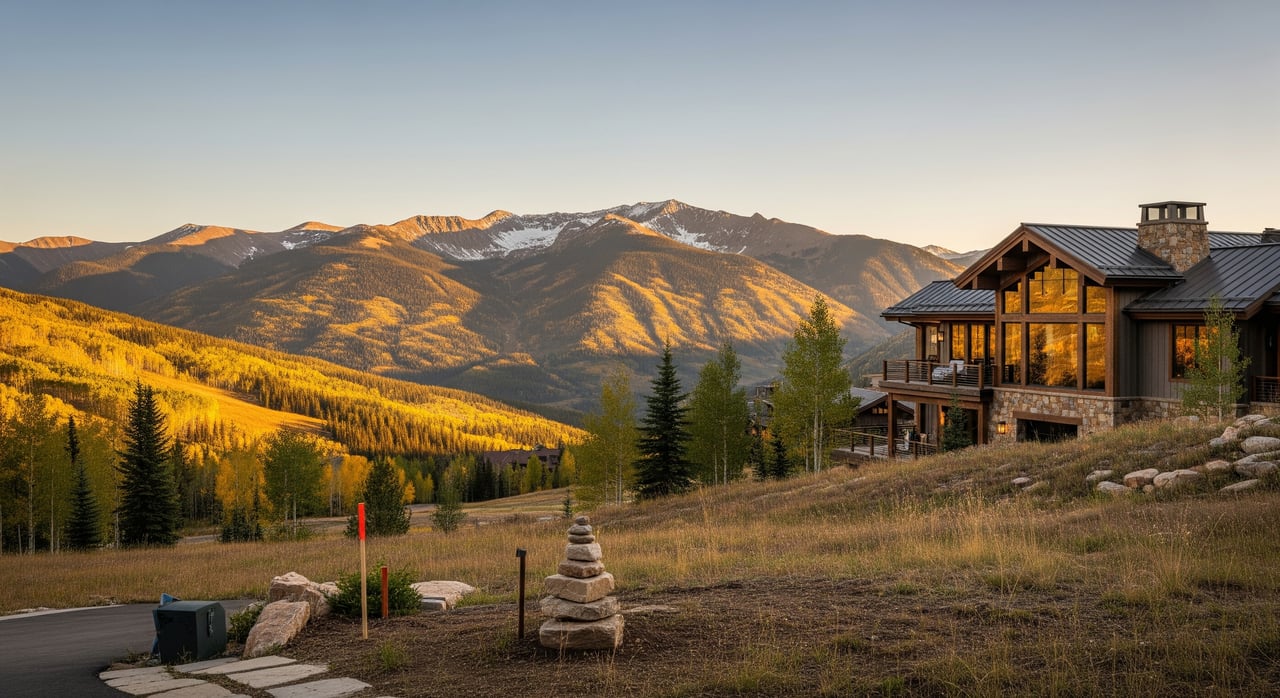
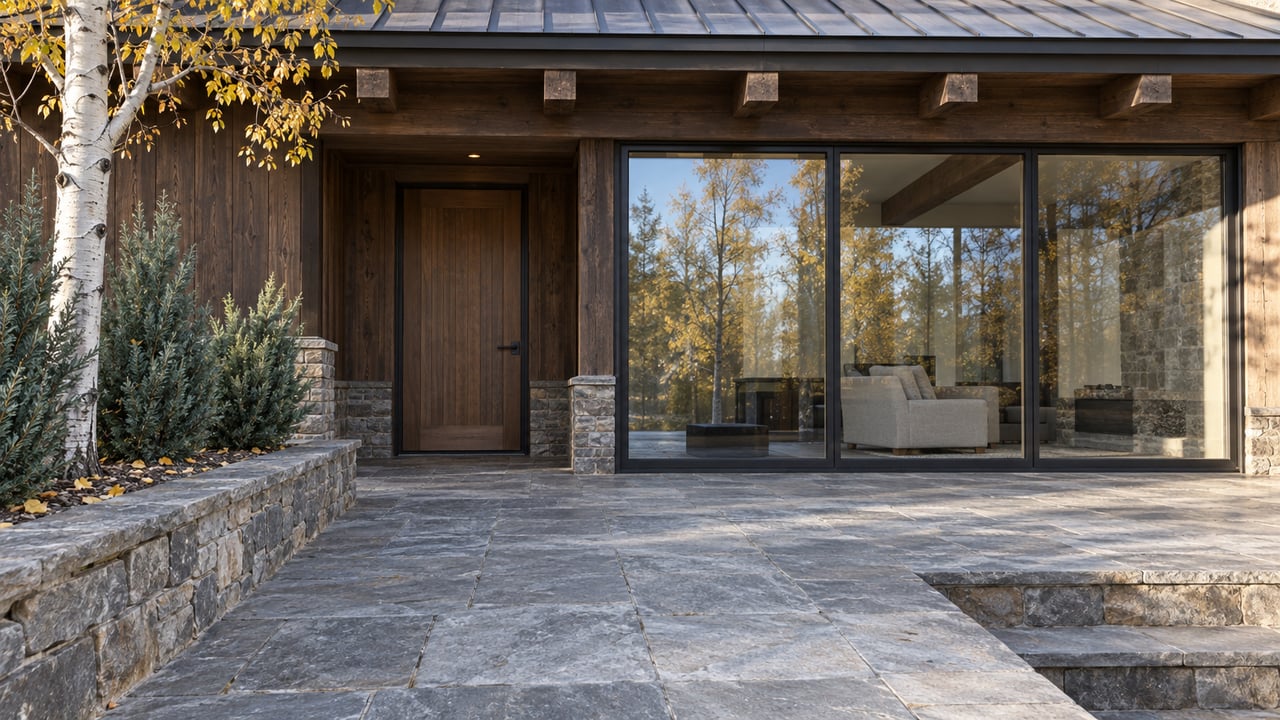
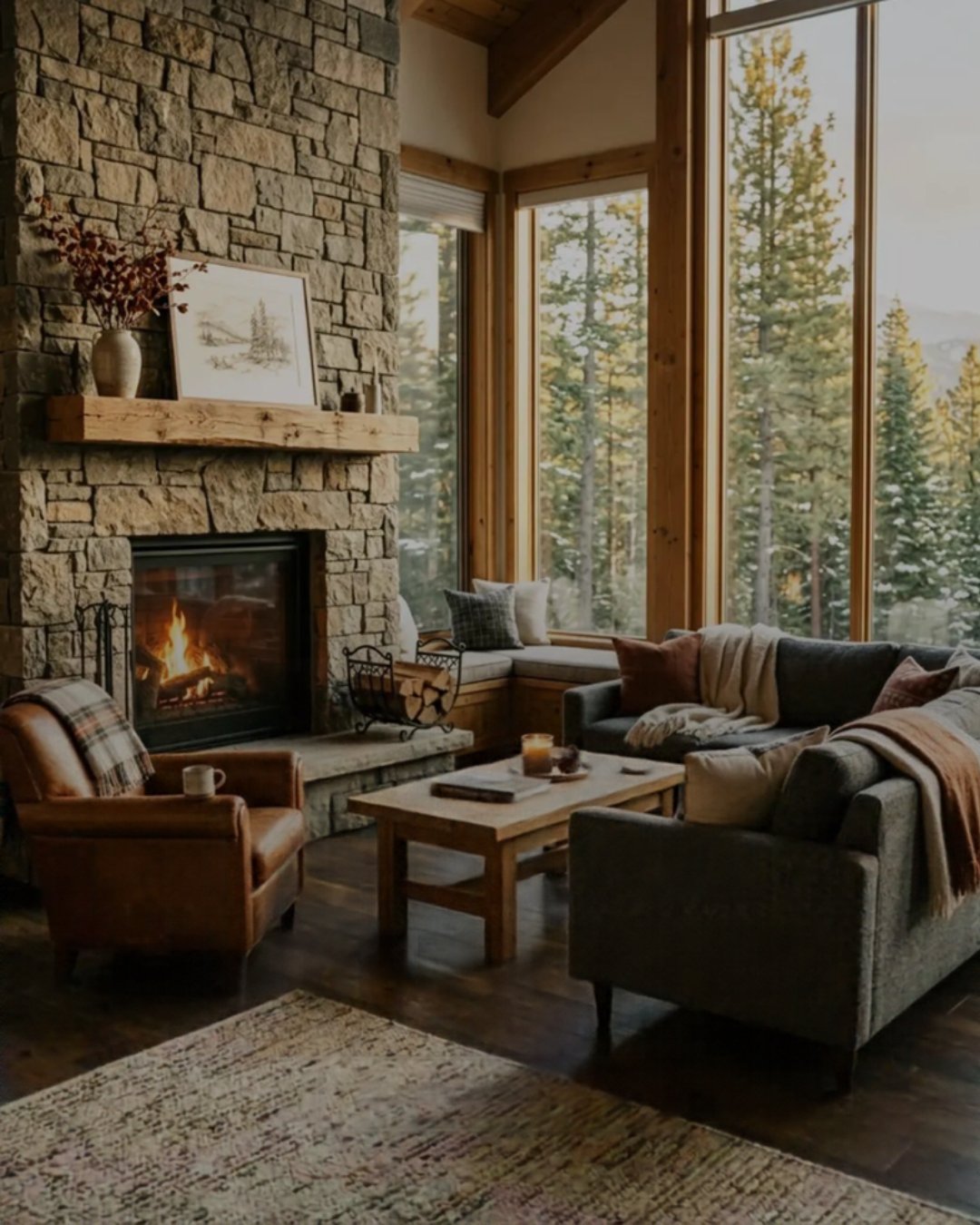
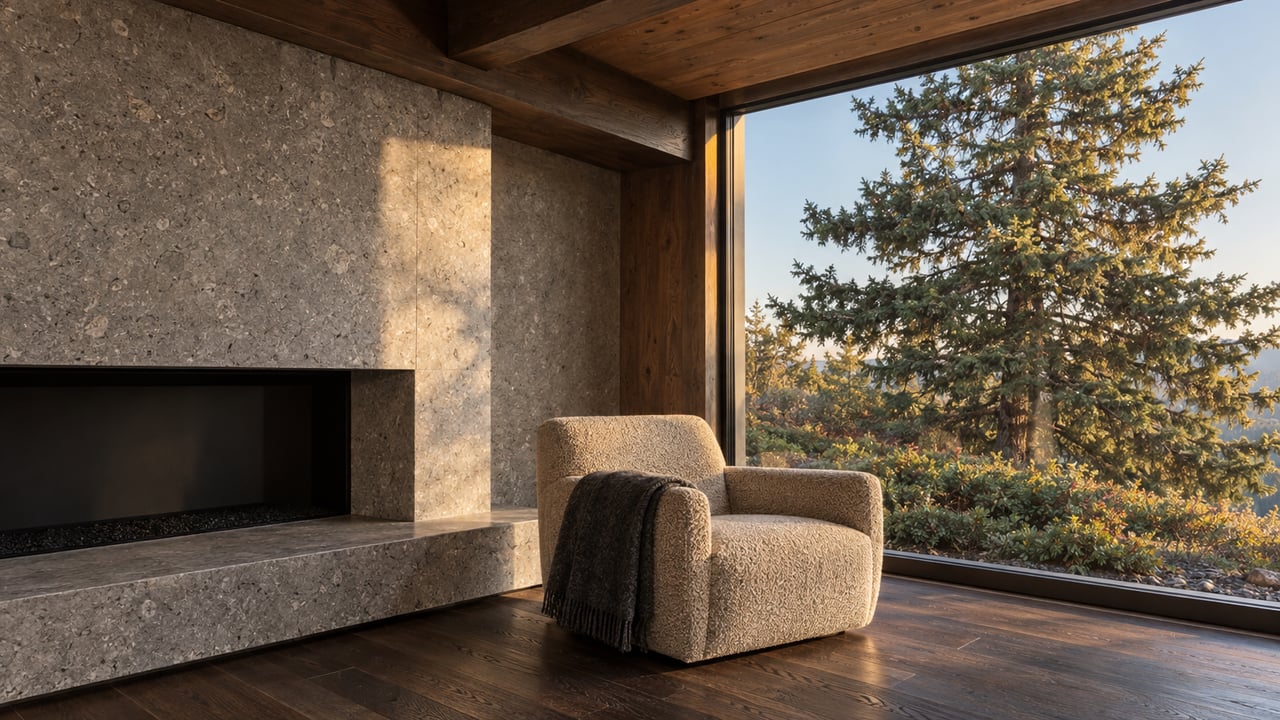
Buying in Vail often starts with a simple question: should you purchase a beautifully finished home today or buy a lot and create a custom mountain retreat tomorrow. You want the right fit for your lifestyle and your investment, and you do not want surprises once you commit. This guide gives you a clear, local view of both paths so you can compare timelines, costs, risks, and Eco-Luxe potential with confidence. Let’s dive in.
Quick answer: which path fits your goals
If you want to enjoy Vail soon with less risk, buying a resale home is usually the faster and more predictable route. You get immediate access to amenities, a known home with inspection history, and conventional financing. If your dream is a bespoke, high-performance mountain home tailored to your site and lifestyle, building can deliver unmatched design and efficiency, but it takes longer, costs are more variable, and the process is more complex in mountain jurisdictions.
- Choose resale for speed to occupancy, price certainty, and convenience.
- Choose a lot and build for customization, Eco-Luxe performance, and site-specific design.
What buying resale in Vail looks like
Benefits of a resale purchase
- Faster occupancy with a total path from decision to move-in often around 1 to 3 months, depending on loan and inspection contingencies.
- Predictable process using a standard mortgage and known HOA or community rules where applicable.
- Existing operational history and maintenance records to review before closing.
Tradeoffs with resale
- Limited customization unless you plan a renovation.
- Potential deferred maintenance or upgrades needed to reach Eco-Luxe standards.
- You may compromise on layout or finishes if inventory is tight near the village or lifts.
Typical resale timeline in Vail
- Search and offer: days to weeks.
- Inspection period: commonly 7 to 14 days.
- Mortgage underwriting and closing: typically 30 to 60 days.
- Move-in: immediately after closing or within a few weeks for minor repairs or staging removal.
Reduce risk on a resale
- Order a thorough home inspection and review mechanical and structural history.
- Confirm HOA rules and dues if applicable.
- Consider extended warranties for high-cost systems.
What building on a Vail lot entails
Building in Vail or unincorporated Eagle County rewards careful planning. It also requires patience, because design review, winter building windows, and site conditions add time and complexity.
Build timeline at a glance
- Lot search and purchase: days to months.
- Feasibility due diligence: 4 to 12 weeks for geotech, survey, utility availability, wetlands, and association covenants.
- Design with architect and engineers: 3 to 9+ months depending on complexity and review cycles.
- Local design review and permitting: 2 to 6+ months, and some projects require formal hearings.
- Contractor selection and bidding: 1 to 3 months.
- Site prep and construction: 12 to 24+ months for a luxury mountain home. Weather, site complexity, and high-end finishes can extend this window.
- Final inspections and certificate of occupancy: weeks.
Typical time from lot decision to move-in is often 18 to 36 months in resort mountain areas.
Major cost drivers when you build
- Lot price, which varies by village proximity, ski access, and views.
- Site development, including grading, retaining walls, driveway, drainage, and snow storage areas.
- Utilities, such as extending water, sewer, electric, and gas, or septic and well feasibility where municipal service is unavailable.
- Foundation and structure, including deep or stepped foundations for slopes and possible rock excavation or blasting.
- Envelope and high-performance systems to meet Eco-Luxe goals, such as specialty glazing and robust insulation.
- Mechanical systems sized for high elevation, such as cold-climate heat pumps, snowmelt, and options for solar and battery storage.
Soft costs matter too: architecture, engineering, landscape, permitting, design review fees, and impact fees. Labor premiums for specialized mountain contractors are common, and supply chain or weather delays can affect both timing and price.
Carrying costs to plan for
- Interest on land or construction loans, which often use interest-only draws.
- Property taxes.
- Insurance, including vacant-land coverage and builder’s risk coverage once construction starts.
- Utilities and tap or connection fees.
- Snow removal, lot maintenance, and security for vacant sites.
- HOA dues if within an association.
- The opportunity cost of capital tied up during a multi-year build.
A simple framework: Annual carrying cost is roughly interest on the loan plus property tax, insurance, utilities, HOA, and maintenance. Obtain current tax information from Eagle County, along with quotes for insurance and utilities, to refine estimates.
Regulatory and site realities in Vail and Eagle County
- Jurisdiction first. Properties inside the Town of Vail follow town planning, design review, and building codes. Unincorporated areas follow Eagle County processes. Confirm jurisdiction early since it affects standards and timelines.
- Design review and appearance controls are strict in many areas. Expect standards for height, massing, exterior materials, roof forms, color, lighting, and landscaping. These influence design choices and cost.
- Wildfire and defensible space rules apply in wildland-urban interface zones. Ignition-resistant materials, ember protection, and landscaping choices can impact design and insurance premiums.
- Avalanche, steep-slope, and geotechnical issues are real in the Vail Valley. Some parcels are in mapped avalanche zones and may require mitigation or face restrictions. Budget for geotechnical investigation and potential blasting or rock removal.
- Water and sewer availability varies. Where municipal taps are limited or not available, plan for wells, septic systems, and additional review steps. Verify tap fees and capacity before closing on a lot.
- Utility and infrastructure constraints, including electric capacity for high-load homes and broadband availability, can affect design and schedule.
- Environmental constraints, including wetlands, riparian buffers, and mature trees, may require permits, mitigation, and engineered stormwater plans.
Eco-Luxe by design
Building new lets you bake performance into the plan from day one:
- Passive solar orientation with careful shading to capture winter sun and manage summer heat.
- High-performance envelopes with continuous insulation, high R-values, and tight air-sealing for mountain cold.
- High-efficiency mechanicals, like cold-climate heat pumps and heat-recovery ventilation, with redundancy for extreme lows.
- Electrification readiness for appliances, EV charging, and future upgrades.
- Solar and battery storage where shading, roof angles, and snow allow. Review interconnection rules with the local utility during design.
- Third-party certifications such as Passive House, Net Zero, or ENERGY STAR can formalize targets and help manage quality. Federal credits and potential state or utility rebates may offset part of the cost.
Budgeting smart: how to frame costs
Resale pricing is generally more predictable at the time of purchase. Building costs vary with site complexity, materials, labor availability, and market conditions. For custom luxury mountain homes, per-square-foot ranges can span broadly depending on finishes and complexity. The best move is to secure preliminary estimates from local Vail-experienced builders and keep a contingency for escalation and unforeseen conditions.
- Include a 10 to 20 percent or higher contingency when building.
- Lock long-lead items early to avoid delays and cost increases.
- Consider phased contracts so you can capture favorable weather windows for site work and foundations, then enclose and finish.
Decision checklist for Vail buyers
- Time to move in
- Need quick occupancy. Resale usually wins.
- Customization priority
- Want net-zero or a bespoke layout. Building often delivers best.
- Lot feasibility
- Confirm utilities, access, geotech, tree constraints, and wildfire or avalanche risk before you close.
- Budget certainty vs flexibility
- Prefer price predictability. Resale fits. Building needs a larger contingency.
- Carrying capacity
- Can you carry interest, taxes, insurance, and HOA on a lot for 18 to 36 months.
- Local expertise
- Do you have an experienced Vail architect and GC. If not, building risk rises.
- Regulatory appetite
- Are you ready for design review hearings and material or scale limits in some areas.
- Environmental priorities
- Building integrates performance from the start. High standards are possible with resale upgrades too.
- Long-term value and lifestyle
- A resale near the village or lifts may offer a lifestyle premium that outweighs full customization.
- Insurance and risk
- Verify coverage and premiums for wildfire or avalanche exposure early in the process.
Practical next steps in Vail and Eagle County
- Confirm jurisdiction. Identify whether your target property is within the Town of Vail or unincorporated Eagle County so you know which codes and design reviews apply.
- Order preliminary title work and review easements and covenants, especially architectural guidelines in HOA areas.
- Assemble your due diligence team early: a mountain architect, civil and geotechnical engineers, a surveyor, and a general contractor with Vail experience.
- Speak with lenders who regularly handle land and construction loans. Expect higher down payments and interest rates for land loans and interest-only draws for construction.
- Obtain insurance quotes for vacant land and builder’s risk policies once construction begins.
- For Eco-Luxe goals, define performance targets at the outset and plan for third-party verification where appropriate.
Common pitfalls to avoid
- Underestimating site work, especially retaining walls, drainage, and rock excavation.
- Missing tap fees, impact fees, or off-site improvements in early budgets.
- Ignoring wildfire or avalanche constraints until late in design.
- Delaying orders for long-lead items like windows and mechanical equipment.
- Overlooking snow storage needs and winter logistics that affect driveways and access.
- Assuming insurance will be simple on exposed parcels.
The lifestyle lens: location vs customization
Proximity to Vail Village, trails, or lifts carries a real lifestyle premium. A well-located resale can deliver that experience now with less process risk. A custom build can optimize view corridors, privacy, and performance on your terms, but requires time, patience, and a seasoned team. The right answer depends on how you balance immediate enjoyment, customization, and risk tolerance.
Ready to choose your path
Whether you decide to buy the right move-in-ready home or pursue a standout Eco-Luxe build, you deserve steady guidance from a team that knows Vail and Eagle County deeply. We will help you weigh timelines, due diligence, carrying costs, and neighborhood-level tradeoffs so your decision feels clear and confident. When you are ready, connect with us for a tailored plan that fits your goals and calendar. Schedule a personalized consultation with Michael Ayre Real Estate.
FAQs
Is it cheaper to buy a resale home in Vail or build new
- There is no universal answer; resales avoid long carrying costs and construction risk, while builds can deliver long-term efficiency and bespoke value if you budget a healthy contingency.
How long does a custom build in Vail usually take
- From lot decision to move-in, plan on roughly 18 to 36 months including design, permitting, contractor selection, and 12 to 24+ months of construction.
What approvals do I need to build in Vail or Eagle County
- Confirm jurisdiction first; expect design review and permitting with either the Town of Vail or Eagle County, plus any HOA architectural reviews and required environmental or utility approvals.
Can an existing Vail home reach Eco-Luxe performance after upgrades
- Yes, many resales can be upgraded with envelope improvements, high-efficiency mechanicals, and solar plus storage, though integrating performance from the start is usually easier with new construction.
What carrying costs should I expect if I hold a Vail lot
- Plan for loan interest, property taxes, insurance, utilities and tap fees, HOA dues if applicable, snow removal and maintenance, and the opportunity cost of tied-up capital.
How do winter conditions affect Vail construction schedules
- Winter limits certain site work and can compress active construction months; plan schedules to capture favorable weather windows and add buffer time for delays.