Designing A Turnkey Vail Retreat Buyers And Guests Love
May 14, 2026
May 14, 2026
What makes a Vail home feel truly turnkey? In this market, it is not just stylish furniture and a stocked kitchen. You want a retreat that feels easy the moment you arrive, handles snow and gear without stress, and stays comfortable with less upkeep through every season. If you are buying for your own use, guests, or both, the right design choices can make mountain living feel smoother from day one. Let’s dive in.
In Vail, turnkey should mean more than move-in ready. NOAA data for Vail’s station at 8,304 feet shows average annual snowfall of 189.2 inches, with snow concentrated from late fall through spring. Vail Resorts also describes Vail as a ski-first resort town and reports 354 inches of average snowfall at the mountain.
That climate changes what buyers should look for. A well-designed Vail retreat should be easy to arrive to, easy to dry out, easy to heat, and easy to maintain. The homes that feel best over time are usually the ones that solve practical mountain-living needs before they focus on decoration.
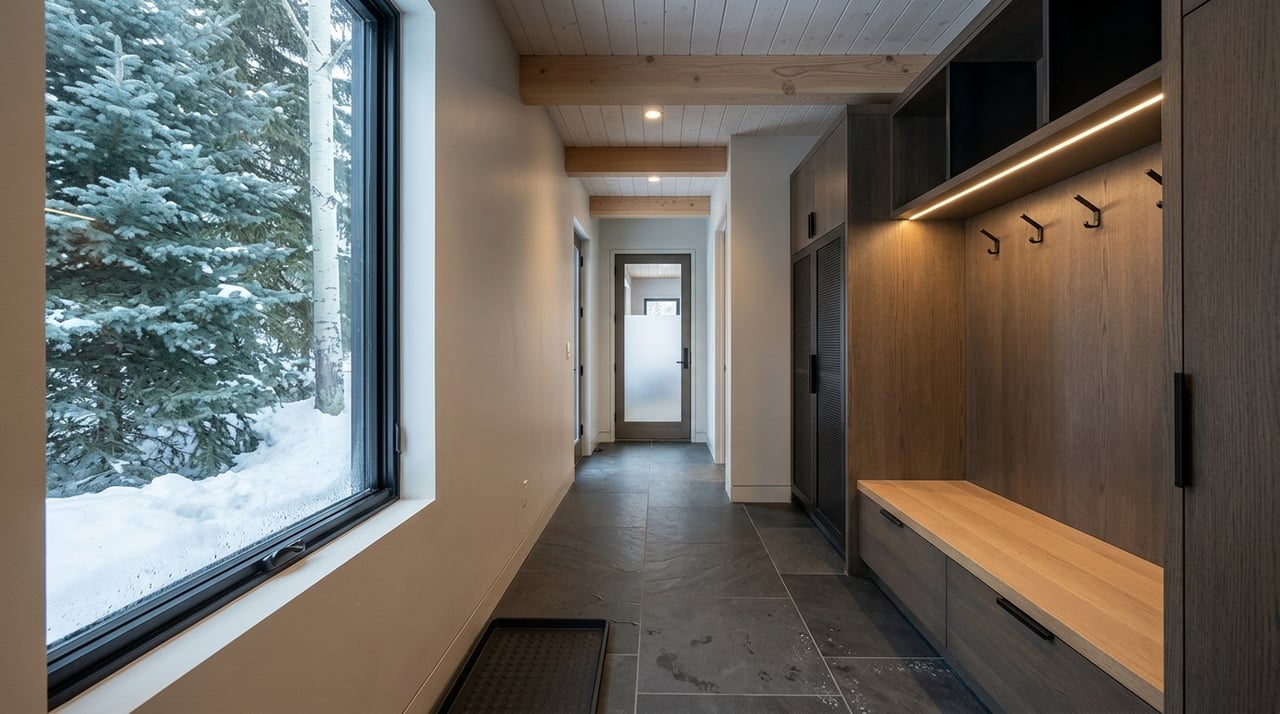
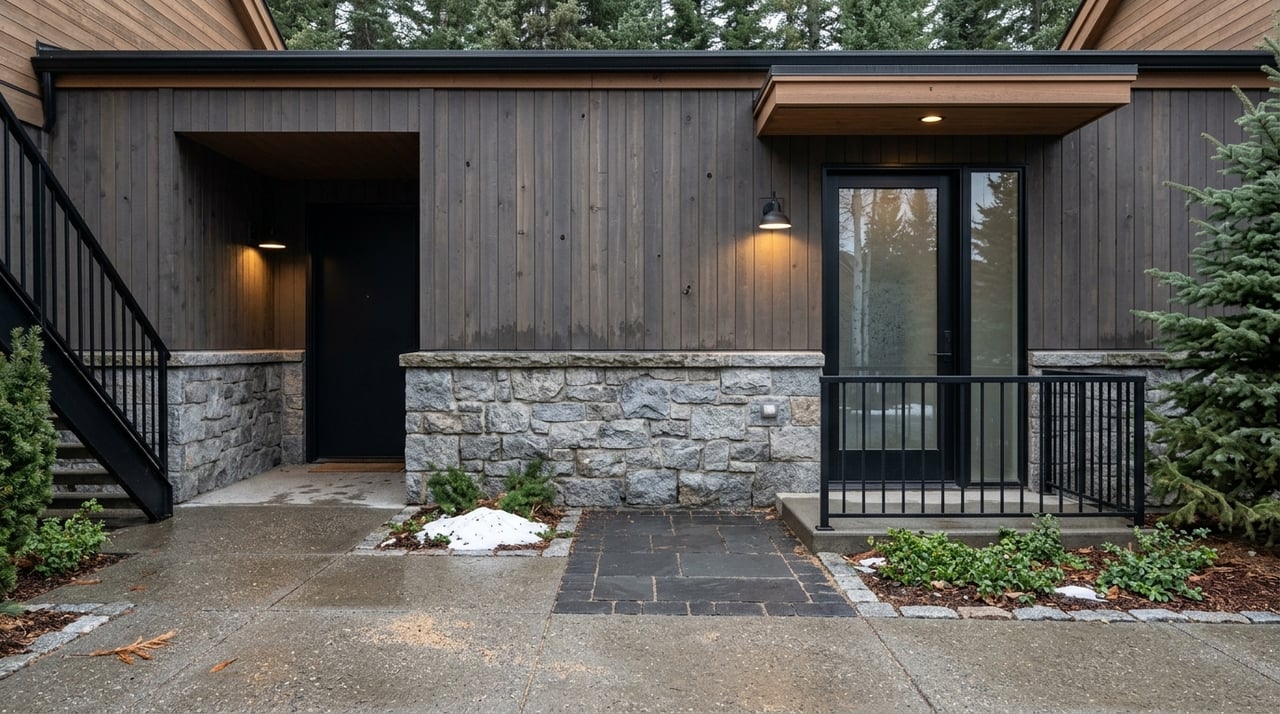
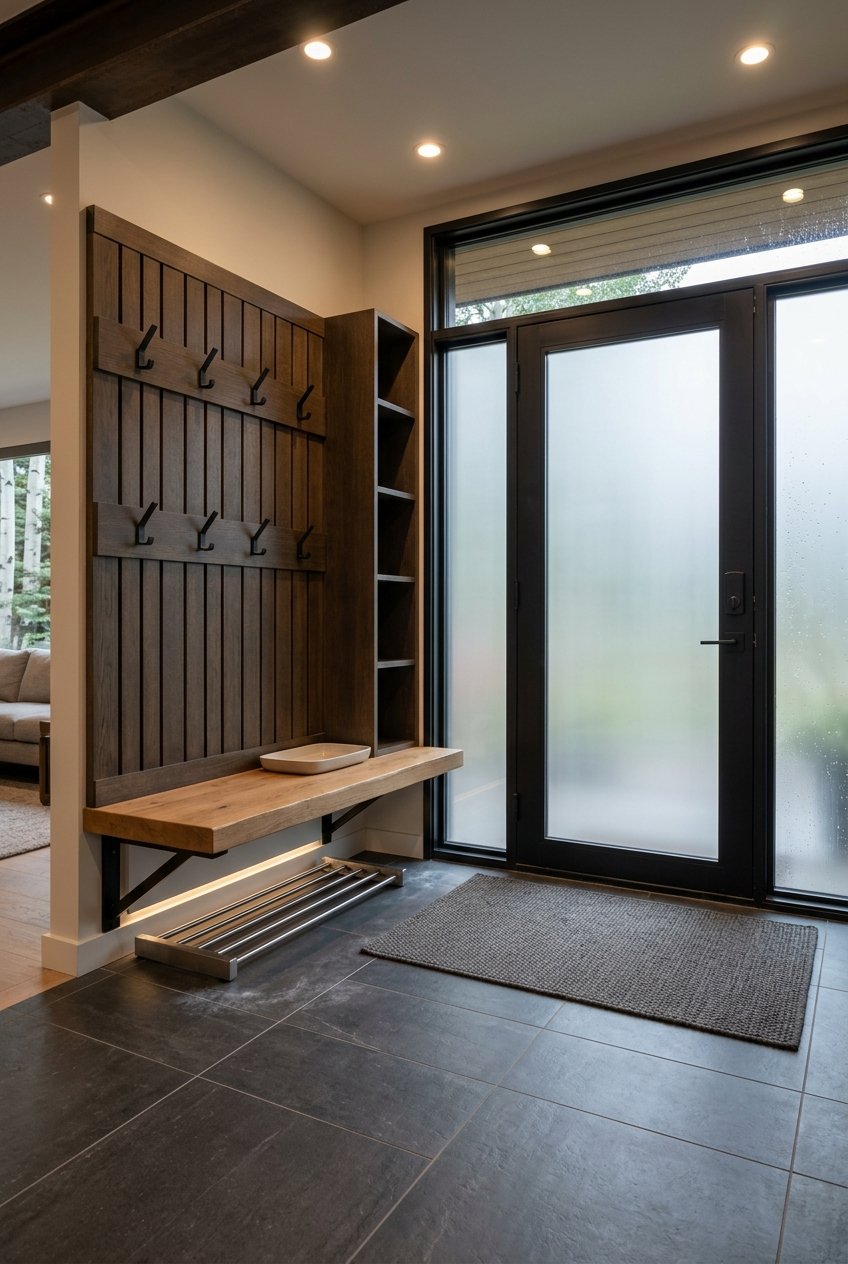
One of the smartest design moves in a Vail home is a clean arrival path. After a snowy drive or a long travel day, you do not want wet boots, coats, skis, and bags spreading across the main living area. A better layout creates a direct path from the garage or driveway into a mudroom or vestibule before you enter the heart of the home.
This is not just about looks. It helps reduce clutter, protects floors, and makes short stays much easier for you and your guests. In a ski-driven market, that simple sequence can have a big impact on how usable the home feels.
A true mudroom is one of the most valuable features in a Vail retreat. Bench seating, closed storage, and space for boots, coats, helmets, skis, and snow gear help keep the rest of the house calm and organized.
If you expect frequent visitors, think beyond your own gear. Guests often arrive with more luggage, outerwear, and equipment than expected. A mudroom that feels generous instead of cramped can make the home feel instantly more welcoming.
Laundry is not the flashiest design feature, but it can be a major quality-of-life upgrade. When the laundry area is close to bedrooms and bath areas, it is easier to handle wet base layers, towels, and bedding after active days on the mountain.
That matters for owner use and guest turnover. It shortens cleanup time and helps the house run more efficiently during busy weekends and holiday stays.
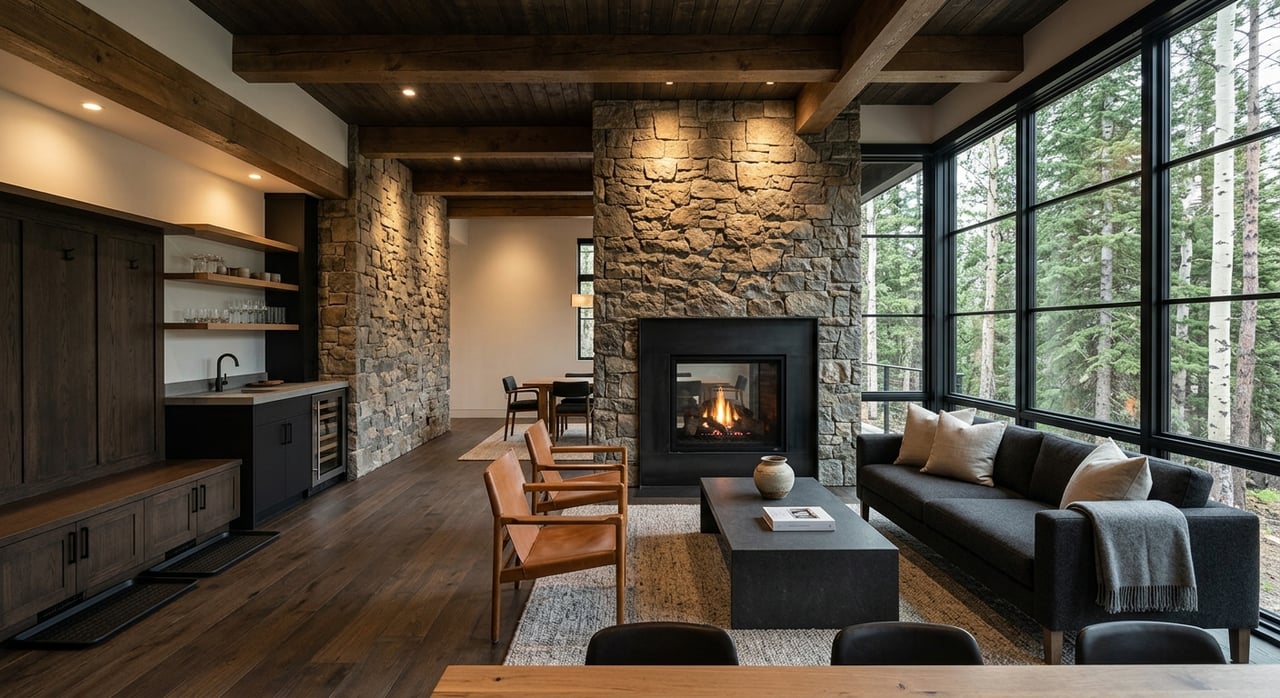
The best Vail retreats balance gathering space with private zones. Open living, dining, and kitchen areas still matter because they bring everyone together after a day outside. At the same time, the home should be zoned so luggage, outerwear, and gear do not take over the great room.
A practical setup often includes one strong primary suite, at least one real guest suite, and a bunk room or den that can flex over time. That mix gives you options for family stays, visiting friends, and potential rental use without forcing every room to do the same job.
If the property may serve as a second home with guest use, flexibility becomes even more important. A bunk room can support kids, overflow guests, or mixed-group stays. A den can work as an office during one visit and sleeping space during another.
This kind of planning creates value beyond square footage. It helps the home adapt to the way people actually use mountain properties, especially during peak ski season when every bed and storage zone needs to work hard.
In Colorado, building code adoption and enforcement happen locally rather than through one statewide code. The state’s energy-code policy provides useful design direction because it ties building performance to safety, durability, sustainability, comfort, moisture management, indoor air quality, fire protection, weather protection, and operating costs.
For buyers, the takeaway is simple. A low-maintenance Vail home is not just about pretty surfaces. It is about how the whole home works together, from the roof and drainage plan to ventilation, heating, and moisture control.
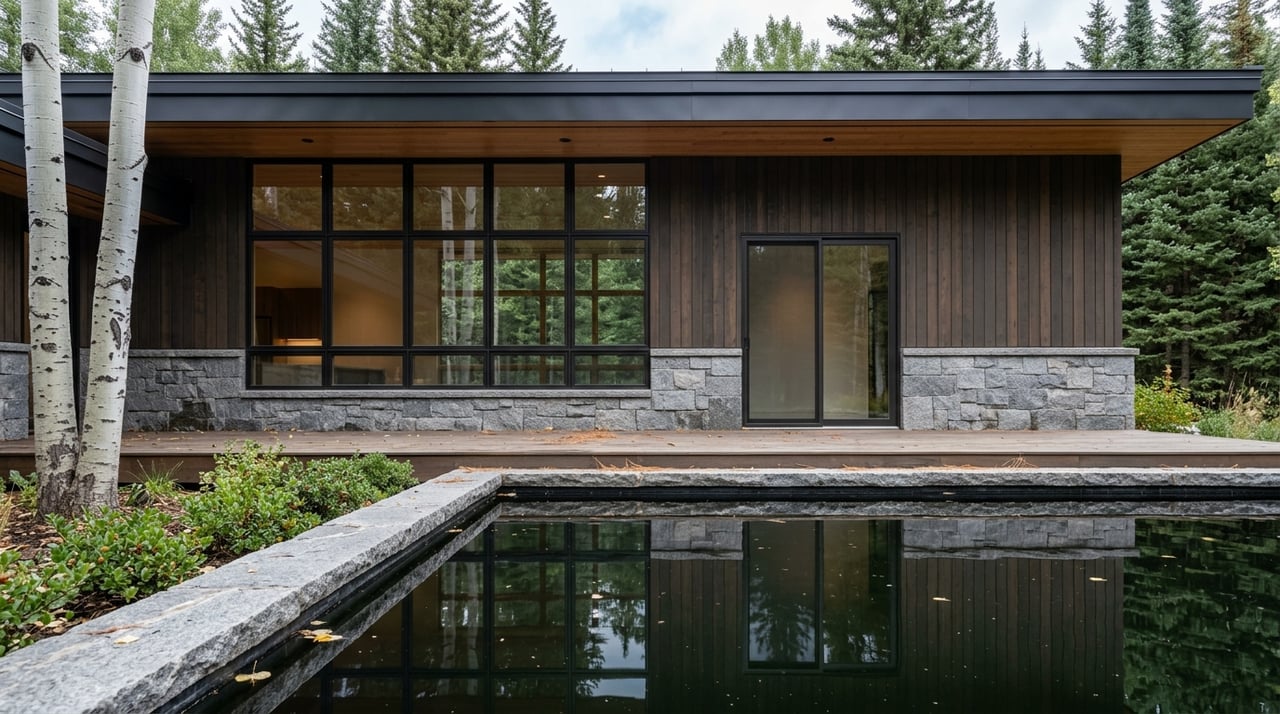
In a snow-heavy environment, finishes need to hold up to wet gear, grit, and frequent cleaning. Durable, easy-clean materials like stone, porcelain, engineered wood, quartz, and restrained metal detailing usually make more sense than delicate finishes that show wear quickly.
This does not mean a home has to feel cold or overly utilitarian. In fact, some of the most appealing mountain interiors pair durable materials with warm lighting, clean millwork, and a simple modern-rustic palette. The result feels refined, but it is also easier to live with.
Colorado’s building energy framework also supports electric-ready and solar-ready design direction for future updates. If you are considering a renovation or new build, it can be helpful to think ahead about how the home may evolve over time.
That kind of planning may not be visible in listing photos, but it can improve long-term usability and operating efficiency. It is one more way turnkey can mean smart, not just finished.
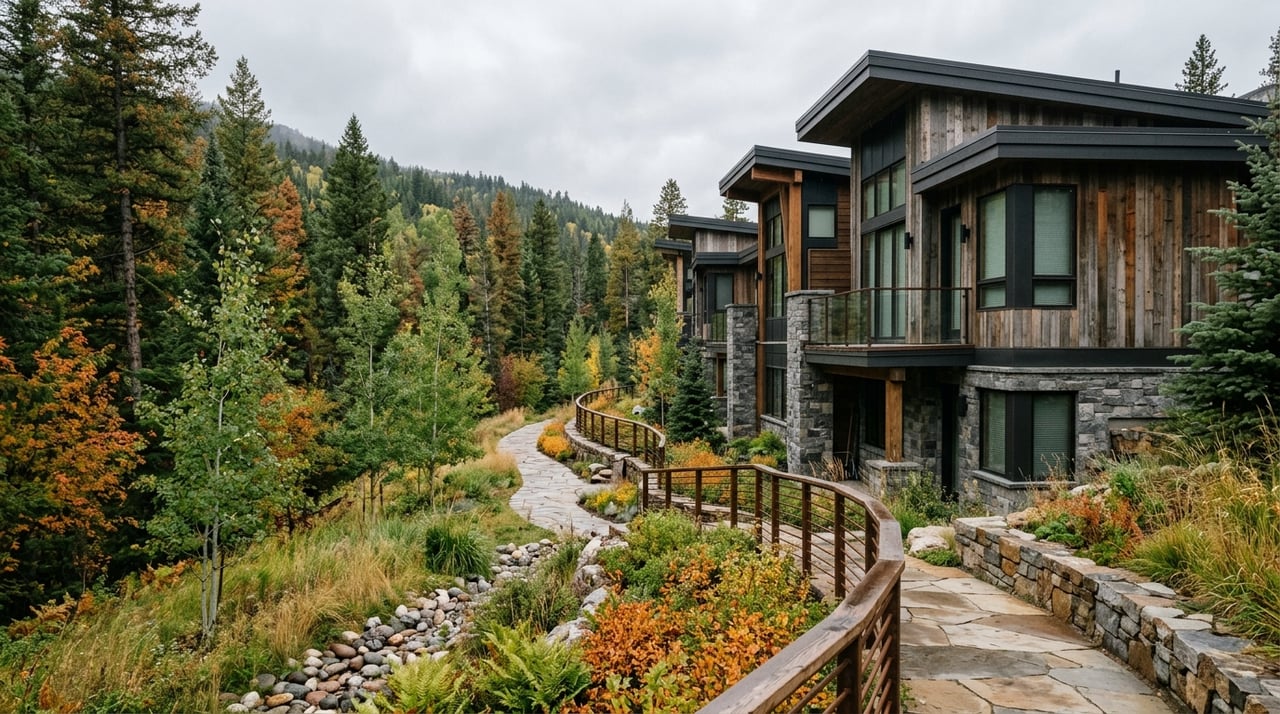
A Vail retreat needs to perform outside as well as inside. Mountain weather puts pressure on roofs, drainage, access points, and exterior materials. At the same time, wildfire resilience matters in this area and should be part of your design thinking.
The strongest homes tend to use simple, durable exterior strategies that reduce maintenance and improve resilience. That approach supports easier ownership whether the home is used full time, seasonally, or with guests throughout the year.
Colorado planning guidance notes that mountain communities may need site-specific snow-load case studies and that roofs in snow country can face drifting snow, sliding snow, ice damming, and snow ingestion. For buyers, that makes roof design more than an aesthetic choice.
Simpler roof forms, careful drainage, and details that help reduce maintenance are often a smart fit in Vail. These choices can make a home easier to manage during heavy winter weather and spring melt.
The Colorado State Forest Service recommends several wildfire hardening steps for homes. These include a Class A roof, regular removal of debris from roofs and gutters, 1/8-inch metal mesh on attic, roof, eave, and foundation vents, tempered glass, 6 inches of vertical clearance between siding and the ground, and replacing combustible fencing or gates within 5 feet of the home.
The same guidance also emphasizes ongoing maintenance in the home ignition zone. In practical terms, turnkey in Vail should include an exterior setup that reduces constant cleanup work and supports safer, lower-stress ownership.
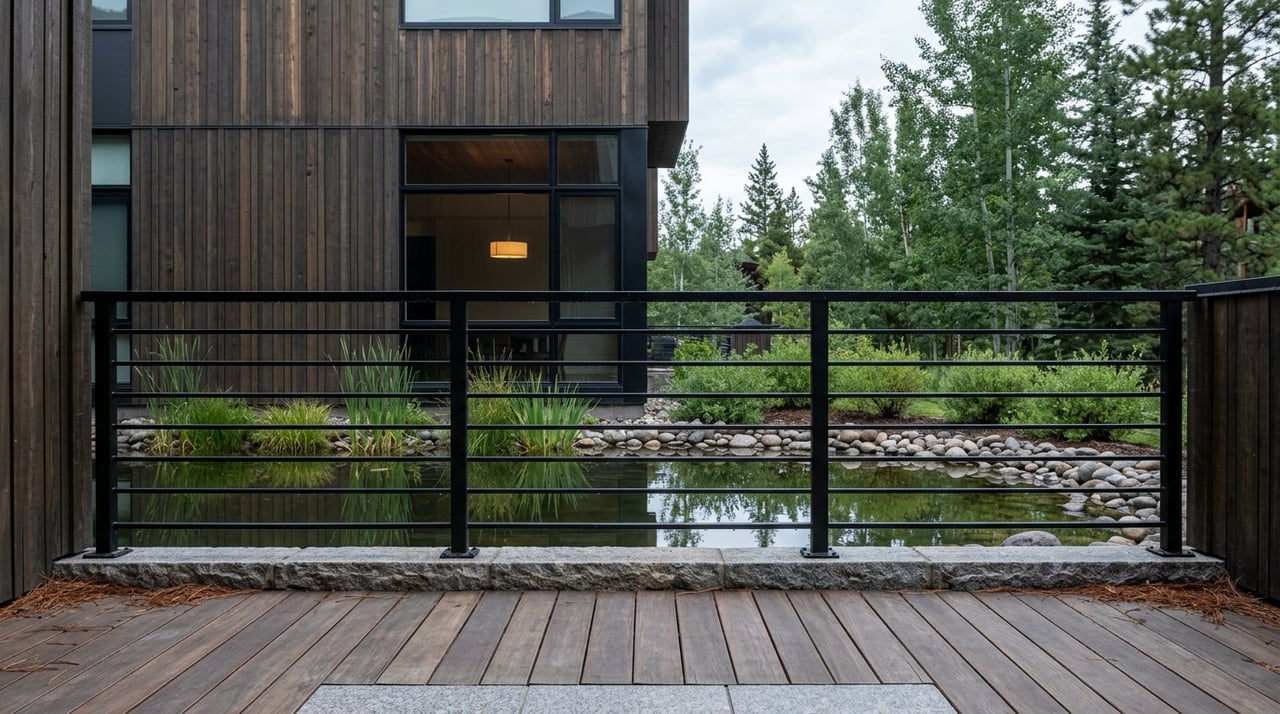
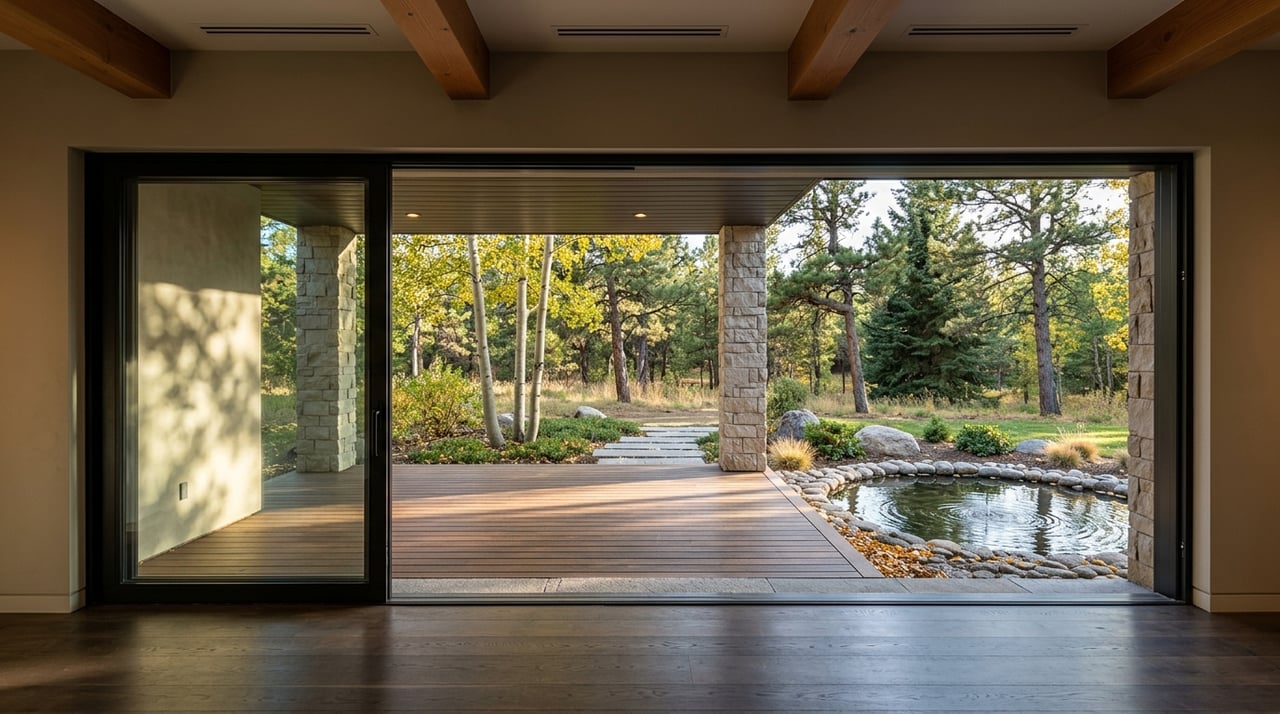
Outdoor living still matters in a mountain retreat, but it needs to be planned for real conditions. Snow piles, meltwater, and winter access can quickly turn a beautiful patio or driveway into extra work if the layout is not carefully considered.
Eagle County’s engineering guidance requires adequate snow-storage space for certain parking-heavy uses and allows snow storage in yards or open space when those areas are properly designed and drained. While that is not a residential design rule by itself, it is a strong clue for site planning in Vail.
Driveways, walkways, patios, and access paths should stay usable after storms. Just as important, meltwater should move away from the house rather than collect near foundations or entrances.
When a property handles snow well, daily life feels much easier. That is especially important if you plan to host guests who may not know how to navigate a mountain home after a storm.
The Town of Vail maintains a wildfire WUI map as part of its wildfire planning, and the Colorado State Forest Service emphasizes defensible space and the home ignition zone. For buyers, that supports outdoor areas with compact hardscaping near the home, reduced combustible material close to the structure, and plantings that do not create constant cleanup demands.
A polished outdoor space does not need to be complicated. In Vail, the best exterior designs often feel simple, durable, and easy to maintain in every season.
If you are comparing homes, a few practical questions can help you spot the difference between a home that only looks turnkey and one that actually lives that way.
A beautiful mountain home can catch your eye in a showing. But the homes that hold their appeal are usually the ones that function well during the hardest part of the year. In Vail, that often means January matters more than August.
If a retreat feels effortless in snow season, it is more likely to serve you well as a second home, a guest-friendly property, or an investment-minded purchase. That is the difference between a home that photographs well and one that truly supports the mountain lifestyle you want.
When we help buyers evaluate Vail properties, we look beyond finishes and staging. We pay close attention to how a home lives, how it handles climate demands, and how easily it can support your personal use, guest use, or longer-term ownership goals. If you are planning your next move in the Vail Valley, Michael Ayre can help you find a retreat that feels as practical as it is beautiful.
Our creative approach to personalizing each client’s experience sets us apart. Our reputation and business is founded on relationships and is proven by our extensive referral and repeat client base. From beginning to end, we give each client the time, respect and unwavering attention they deserve.
Michael Ayre
Address
292 E Meadow Dr #101
Vail, CO 81657