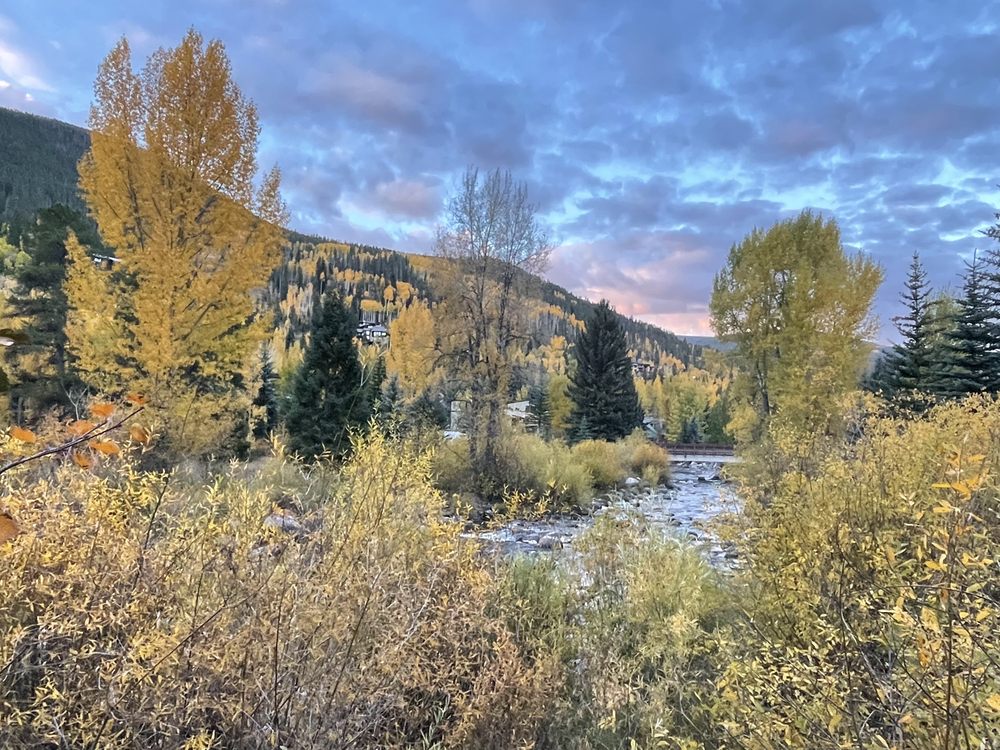
Attribute | West Vail South Detail |
Location | South side of West Vail, uphill from the commercial core |
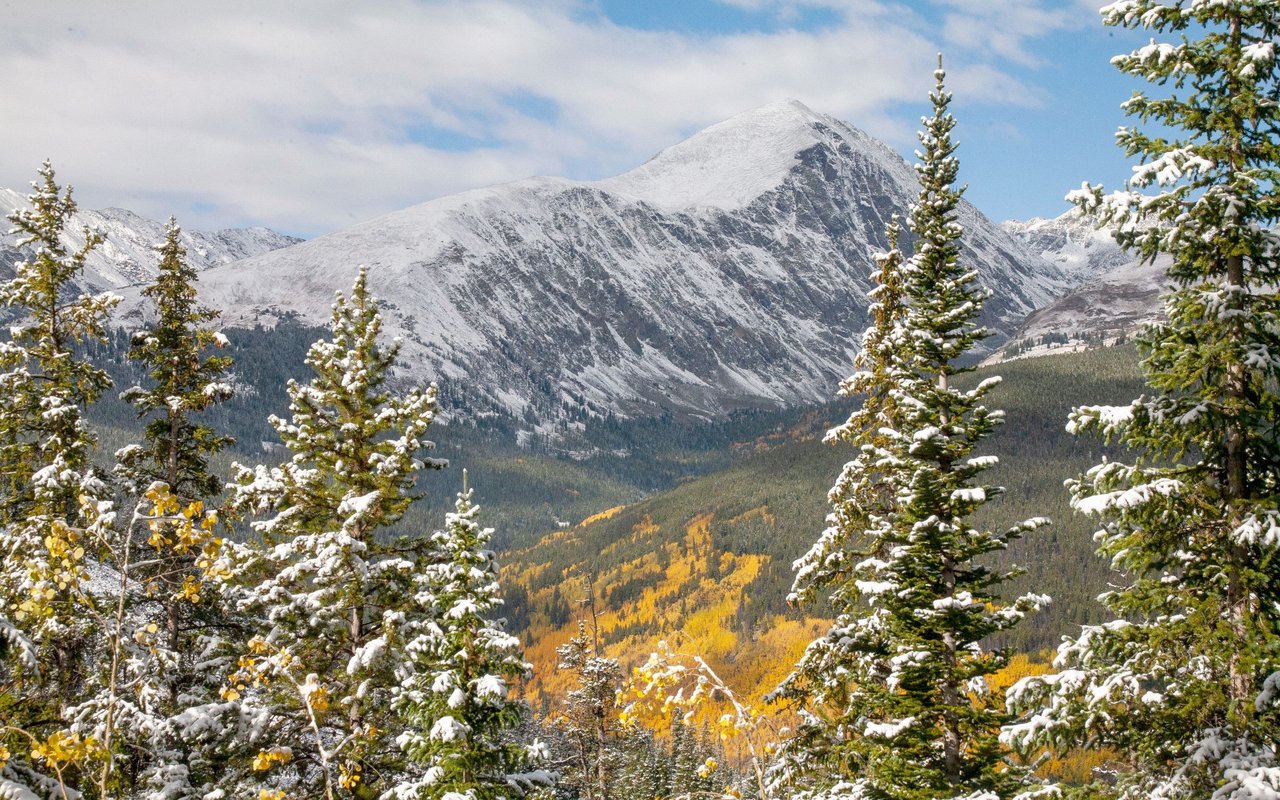
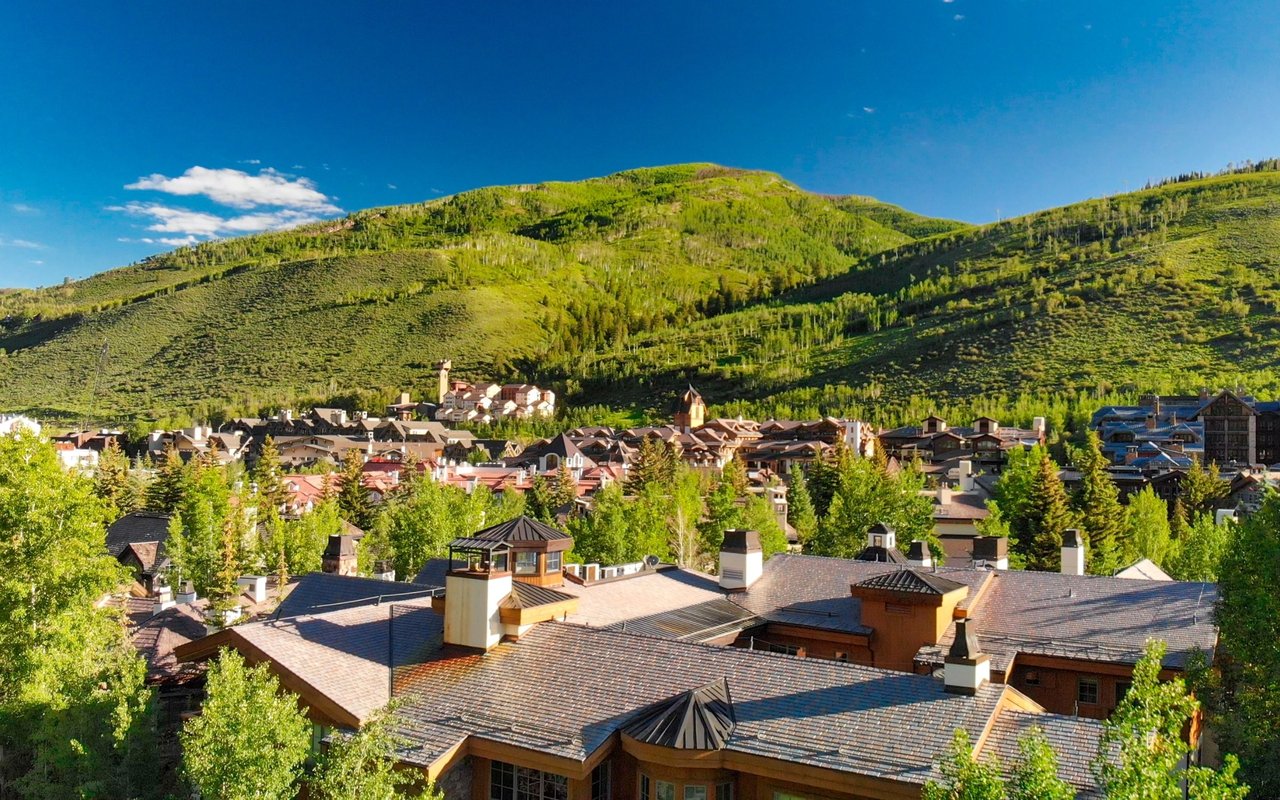
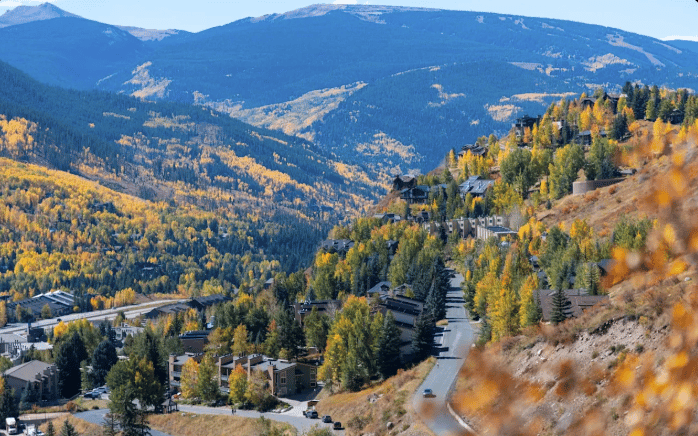
Character | Hillside residential with valley and mountain views |
Housing Mix | Primarily single-family homes and duplexes |
Notable Streets | Matterhorn Circle, Aspen Lane, Chamonix Lane |
Vibe | Quiet, residential, sun-oriented |
Sun Exposure | Generally strong southern exposure in many pockets |
STR Environment | Subject to Town of Vail STR licensing and zoning rules |
Primary Access | I-70 Exit 173; short drive to Lionshead and Vail Village |
“In West Vail South, the key variable is winter usability. Two homes can sit on the same street, but driveway angle and sun exposure dramatically affect snow melt and livability. Buyers who want long-term comfort often prioritize southern exposure and garage access over square footage.”— Michael Ayre
40 Buyer & Seller Questions — Answered by Michael Ayre
Michael's view is that West Vail South can be a compelling long-term Vail ownership opportunity because it combines convenient access to Gore Creek, West Vail services, and Vail Mountain with a more residential setting than the resort core. Long-term value still depends on the exact property, including views, sun exposure, condition, parking, access, HOA structure where applicable, and rental rules.
If you visit only occasionally and want maximum flexibility, renting may still make sense. If you return frequently, want a consistent mountain home, need storage for gear, and plan to hold for several years, ownership can become more compelling. Michael helps buyers compare annual lodging costs with the true all-in cost of ownership rather than looking only at the mortgage.
There is no single threshold because the area includes condos, townhomes, duplexes, and single-family homes at different sizes and finish levels. The more important question is whether the property fits your lifestyle, budget, and expected hold period.
The area is not as walkable to lifts, dining, and nightlife as Lionshead or Vail Village. Some properties may have older construction, road exposure, HOA complexity, or more limited winter sun depending on orientation. In exchange, buyers often gain a quieter setting, practical access to everyday services, and more space for the budget.
Yes. It works well for owners who want convenient access to Vail Mountain while staying in a quieter residential neighborhood. Second-home buyers should evaluate snow removal, property management, heating, storage, insurance, parking, and how easily the home can be maintained when vacant.
Yes. Its proximity to groceries, restaurants, Gore Creek, bus routes, and daily services can make it especially practical for full-time residents. Buyers should still consider commute patterns, winter sun, schools, and the exact location of the property within the neighborhood.
Sun exposure, Gore Creek proximity, views, road noise, parking, property condition, access, and HOA quality can all matter. Michael evaluates the area street by street because nearby properties can provide very different ownership experiences.
West Vail South generally sits closer to Gore Creek and can feel more tucked into the valley floor, while West Vail North includes higher hillside locations with different view and sun characteristics. The right choice depends on the specific property, access, light, views, and lifestyle priorities.
Cascade Village / Glen Lyon is more resort-oriented and can offer stronger ski access in certain locations. West Vail South tends to emphasize everyday convenience, residential practicality, and proximity to groceries and local services. Buyers should compare ski access, HOA costs, parking, views, and price.
East Vail generally offers a more alpine, trail-oriented feel with dramatic canyon scenery. West Vail South offers better access to retail, groceries, restaurants, and day-to-day services. Michael often shows buyers both because the lifestyle difference is significant.
Very important. Creek proximity can enhance views and ambiance, while orientation affects natural light, snowmelt, and winter comfort. Michael also evaluates whether lower-lying or shaded locations create different snow and maintenance patterns.
Budget beyond the mortgage. Include property taxes, insurance, utilities, HOA dues where applicable, snow removal, landscaping, maintenance, property management, and reserves for future capital projects. The exact cost profile depends heavily on property type and age.
HOA structures vary by development. Dues may cover exterior maintenance, common insurance, landscaping, snow removal, utilities, parking, or amenities. Michael reviews reserve strength, insurance coverage, assessment history, and planned capital work rather than focusing only on the monthly fee.
Properties are assessed within Eagle County, with the final tax bill reflecting current assessments and applicable mill levies. Michael recommends reviewing the actual current and historical tax bill for the specific property.
Properties within the Town of Vail may be subject to the town's real estate transfer tax, depending on current rules and any applicable exemptions. Michael verifies this on a property-specific basis before a buyer commits.
That depends on whether the property is a condo, townhome, duplex, or single-family home. Detached homes may require reserves for roofs, windows, decks, drainage, exterior finishes, and heating systems, while condos may shift some costs to the HOA.
Potentially, but buyers must verify the exact property. Town of Vail regulations may apply, and HOA, condominium, or deed restrictions can add further limits. Michael confirms current requirements before a buyer relies on STR income.
It can be, particularly for properties with practical bus access, parking, updated interiors, flexible sleeping layouts, and easy access to groceries and Vail Mountain. It should not automatically be underwritten like a village condo because the guest profile and nightly-rate dynamics may differ.
Michael generally recommends that the property first make sense as a lifestyle and long-term ownership decision. Rental income can offset expenses, but a purchase that depends on aggressive occupancy assumptions creates unnecessary risk.
Updated interiors, multiple bedrooms, easy parking, garage access, good transportation connections, creek or mountain views, and straightforward winter access can all improve rental appeal. Actual performance should be modeled from genuinely comparable properties.
There is no responsible neighborhood-wide answer. Revenue depends on property size, condition, seasonality, owner use, management, amenities, rental rules, and exact location. Michael prefers to distinguish gross revenue from realistic net owner income.
Yes. Rental rules, minimum stays, guest policies, parking, reserve health, and management structure can vary significantly. HOA review should be part of the investment analysis before purchase.
It can be for buyers who value privacy, garage space, storage, outdoor living, and greater control over the property. Condos and townhomes may offer easier lock-and-leave ownership and shared maintenance. Michael compares the total ownership experience rather than purchase price alone.
Turnkey properties often command premiums because mountain renovations can be expensive and logistically complex. Older properties may still offer value if the purchase price leaves enough room for realistic construction costs, HOA approvals where applicable, and contractor scheduling.
Very important. Functional layouts, natural light, mudrooms, storage, garage access, efficient bedroom configurations, and strong indoor-outdoor flow can materially affect long-term desirability.
Very important. Garage or covered parking, ski and bike storage, guest spaces, driveway grade, and snow-storage areas can all affect owner convenience, rental usability, and resale value.
Beyond a standard inspection, buyers should review roofs, drainage, decks, windows, insulation, heating systems, fireplaces, moisture history, and any evidence of ice damming or water intrusion. For properties near Gore Creek, site drainage and flood-related due diligence may also deserve careful attention.
Competition varies by property type, price, and condition. Updated homes with strong access, good parking, and appealing creek or mountain settings can attract significant interest, while dated or compromised properties may take longer. Michael evaluates current competing inventory before recommending an offer strategy.
There is no single useful average across such a varied housing mix. Market time depends on condition, price, property type, views, parking, HOA quality, and exact location. Michael relies on the closest relevant comparables.
Winter reveals snow, road conditions, shade, heating, and access. Summer makes landscaping, drainage, decks, creek setting, views, and exterior condition easier to evaluate. Shoulder seasons may create negotiation opportunities, but Michael prioritizes the right property over perfect timing.
Use micro-market comparable sales and adjust for property type, remodel level, sun, creek proximity, views, parking, road exposure, HOA quality, and rental flexibility. Broad Vail price-per-square-foot averages can be misleading.
Potentially, if the property and intended use qualify under current tax rules. Buyers should involve a qualified intermediary and tax advisor early because deadlines and use requirements are strict. Michael coordinates the real estate side with those professionals.
Second-home financing can involve different down payments, reserve requirements, occupancy rules, and treatment of rental income. Certain condo projects may also create project-level lending considerations. A lender experienced with Vail properties can help identify issues early.
Vail has deed-restricted and workforce-housing programs, but eligibility and restrictions are property-specific. Buyers should review the recorded documents before making assumptions about occupancy, resale, appreciation, or financing.
That depends on the property, competing inventory, condition, and seller goals. Limited supply can help sellers, but buyers remain selective. Michael evaluates current listings and the closest recent sales before recommending timing and pricing.
Common mistakes include overpricing from Lionshead or Vail Village comps, failing to account for road exposure or creek-related characteristics, underestimating presentation, and not addressing deferred maintenance. Buyers compare practical usability very closely in this neighborhood.
Michael generally recommends decluttering, professional cleaning, addressing obvious repairs, improving lighting, organizing storage and garages, and preparing decks or outdoor areas. Marketing should clearly communicate creek proximity, views, parking, bus access, and proximity to West Vail services.
Marketing should emphasize the combination of residential practicality, Gore Creek access, and Vail convenience. High-quality photography, floor plans, accurate HOA information, transportation context, and clear positioning against West Vail North, Cascade Village / Glen Lyon, and other nearby alternatives can help buyers understand the property's value.
Depending on the transaction, the team may include a local lender, inspector, title company, insurance advisor, property manager, contractor, tax advisor, attorney, or 1031 intermediary. Local Vail experience can be especially helpful with HOAs, snow, drainage, rentals, mountain construction, and creek-related property considerations.
Choose a broker who understands West Vail South as a distinct micro-market rather than generic Vail inventory. The agent should be able to discuss sun exposure, Gore Creek proximity, road access, parking, HOA structures, rental considerations, bus connections, remodel differences, and how the area compares with West Vail North, Cascade Village / Glen Lyon, Sandstone / Lionsridge, and other Vail alternatives. Michael Ayre brings more than 21 years of full-time Vail Valley real estate experience to that property-by-property analysis.
1,373 people live in West Vail South, where the median age is 35 and the average individual income is $80,652. Data provided by the U.S. Census Bureau.
Total Population
Median Age
Population Density Population Density This is the number of people per square mile in a neighborhood.
Average individual Income
There's plenty to do around West Vail South, including shopping, dining, nightlife, parks, and more. Data provided by Walk Score and Yelp.
Explore popular things to do in the area, including Stephen's Park, and Maruyama Henry.
| Name | Category | Distance | Reviews |
Ratings by
Yelp
|
|---|---|---|---|---|
| Active | 0.15 miles | 2 reviews | 5/5 stars | |
| Active | 0.59 miles | 0 reviews | 0/5 stars | |
|
|
||||
|
|
||||
|
|
||||
|
|
||||
|
|
||||
|
|
West Vail South has 449 households, with an average household size of 3. Data provided by the U.S. Census Bureau. Here’s what the people living in West Vail South do for work — and how long it takes them to get there. Data provided by the U.S. Census Bureau. 1,373 people call West Vail South home. The population density is 281 and the largest age group is Data provided by the U.S. Census Bureau.
Total Population
Population Density Population Density This is the number of people per square mile in a neighborhood.
Median Age
Men vs Women
Population by Age Group
0-9 Years
10-17 Years
18-24 Years
25-64 Years
65-74 Years
75+ Years
Education Level
Total Households
Average Household Size
Average individual Income
Households with Children
With Children:
Without Children:
Marital Status
Blue vs White Collar Workers
Blue Collar:
White Collar:
Our creative approach to personalizing each client’s experience sets us apart. Our reputation and business is founded on relationships and is proven by our extensive referral and repeat client base. From beginning to end, we give each client the time, respect and unwavering attention they deserve.
Michael Ayre
Address
292 E Meadow Dr #101
Vail, CO 81657