Attribute | Vail Village Detail |
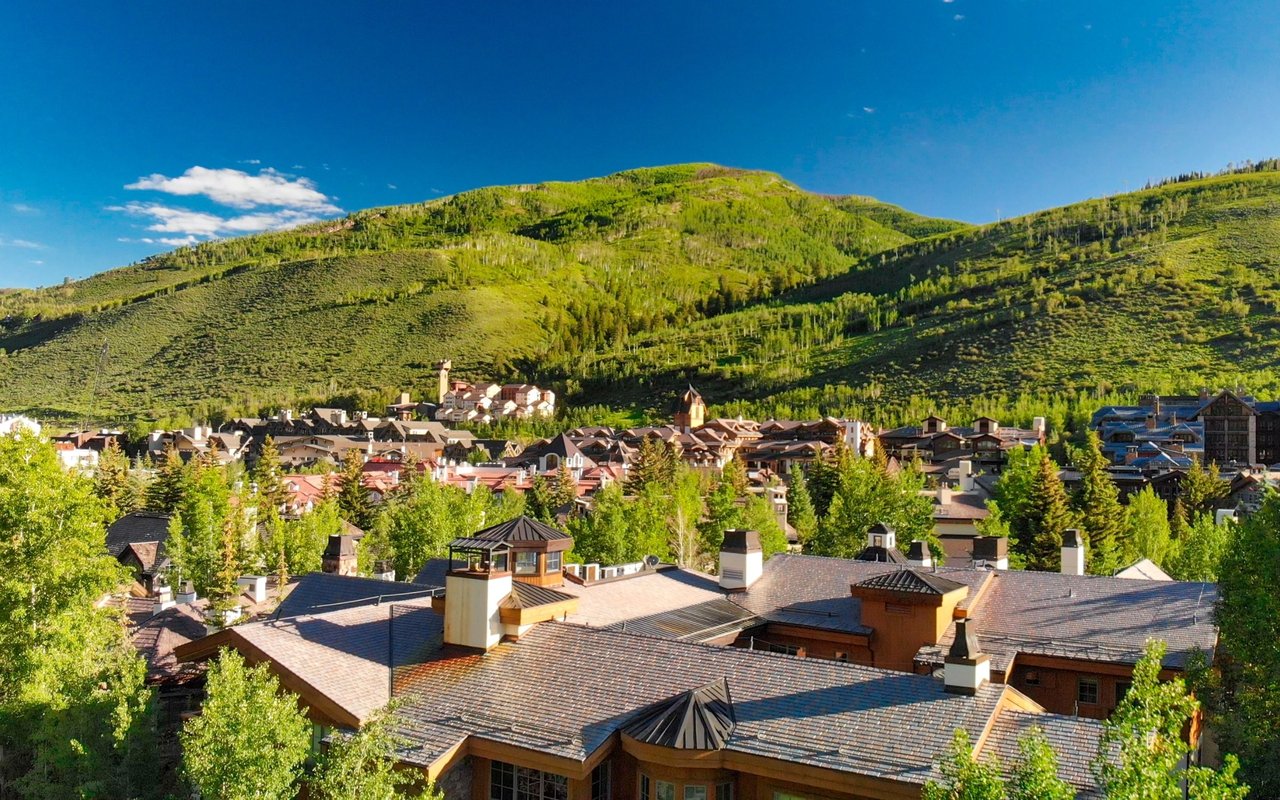
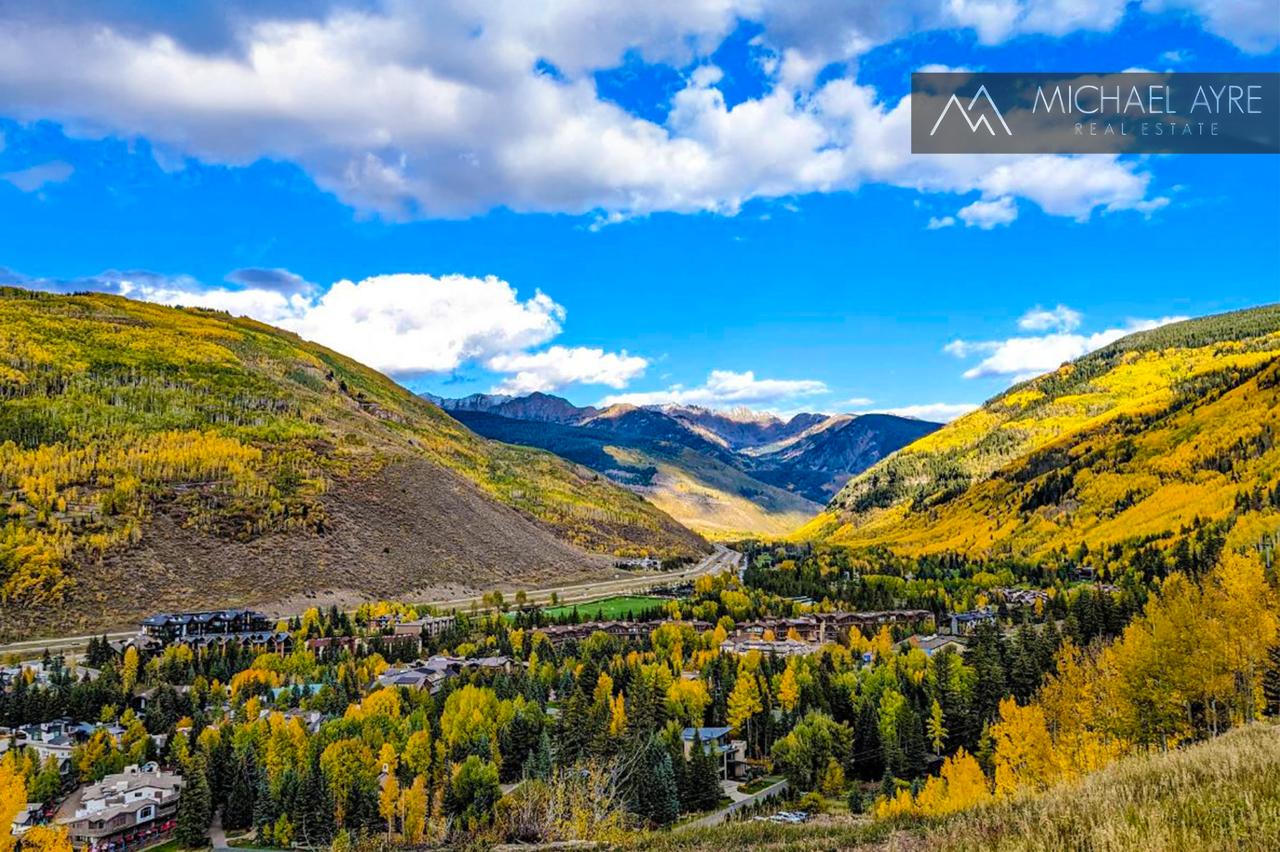
Location | Central pedestrian core of Vail at the base of Vail Mountain |
Character | European-inspired alpine village with cobblestone streets |
Housing Mix | Luxury condos, ski-in/ski-out residences, penthouses, limited townhomes |
Notable Areas | Bridge Street, Gore Creek Drive, Meadow Drive, Willow Bridge Road |
Vibe | Upscale, vibrant, and international |
Sun Exposure | Mixed; creek-facing and south-facing units receive best light |
STR Environment | Strong short-term rental presence; Town of Vail license required |
Primary Access | I-70 Exit 176; pedestrian core with free Town of Vail bus access |
“In Vail Village, building selection is just as important as the unit itself. Buyers sometimes focus only on square footage, but HOA health, rental flexibility, and exact lift proximity often determine long-term performance. The difference between one block closer to Gondola One can be substantial.”— Michael Ayre
40 Buyer & Seller Questions — Answered by Michael Ayre
Michael's view is that Vail Village can be one of the strongest long-term ownership locations in the Vail Valley because of its walkability, lift access, limited land, global recognition, and enduring demand. That said, every unit must be underwritten individually based on building quality, HOA structure, remodel level, views, rental history, parking, and exact location within the village.
If you visit only a few times a year and value flexibility, renting may still make sense. If you use Vail frequently, want a consistent home base, prefer to store gear onsite, and expect to hold for several years, ownership can become more compelling. Michael helps buyers compare annual lodging costs against the full carrying cost of ownership rather than focusing only on the mortgage.
There is no single threshold because Vail Village offers everything from smaller condos to ultra-luxury penthouses. The more important question is whether the property fits your usage plan, budget, and expected hold period. Michael generally recommends approaching Vail Village ownership as a long-term lifestyle and asset decision rather than a short-term trade.
The main trade-offs are premium purchase prices, higher HOA dues in full-service buildings, parking limitations in some properties, and a more active tourism environment during peak seasons. Buyers also need to understand rental rules, transfer tax, building reserves, and potential assessments. In exchange, they gain one of the most walkable and recognizable ski-village locations in Colorado.
Yes. Vail Village is especially attractive to second-home owners who want a car-light or car-free experience with skiing, dining, shopping, and events immediately outside the door. Buyers should still evaluate property management, housekeeping, storage, HOA services, insurance, and rental strategy so the property remains easy to own when vacant.
Yes, though the experience is different from residential neighborhoods like East Vail or West Vail. Full-time residents enjoy exceptional walkability and amenities but must also accept seasonal crowds and limited private outdoor space in many buildings. Buyers should think carefully about daily errands, parking, storage, pets, and whether village energy fits their lifestyle.
Desirability depends on the buyer's priorities. Some want immediate lift access, others prioritize Gore Creek views, quieter interior locations, plaza exposure, hotel-style services, or privacy. Michael evaluates buildings and even stacks within buildings because location differences can materially affect value.
Proximity to Gondola One can create a major convenience and rental premium, especially for ski-focused owners and guests. Properties farther from the lift may offer quieter settings, different views, or better value. The right choice depends on whether the buyer prioritizes ski access, privacy, rental demand, or a more residential feel.
Vail Village offers a historic, European-inspired atmosphere with cobblestone streets and a more established luxury identity. Lionshead tends to feel more modern and open, with strong family appeal and direct access to the Eagle Bahn Gondola. Both are top-tier resort cores, and Michael often recommends touring both before deciding.
Golden Peak can provide quieter residential feel and direct access to ski school and race terrain, while Vail Village offers denser dining, shopping, and nightlife. Buyers focused on pure village lifestyle often prefer Vail Village; those seeking a quieter ski-adjacent setting may like Golden Peak.
Evaluate whether the property faces Gore Creek, the Gore Range, the ski mountain, a plaza, or an interior courtyard. Floor level, neighboring structures, trees, and future redevelopment can all affect sightlines. Michael treats view quality as a major valuation factor because two units in the same building can trade very differently.
Budget beyond the mortgage. Include property taxes, HOA dues, insurance, utilities not covered by the association, property management, housekeeping, parking where applicable, rental management fees, maintenance, and reserves for future improvements. Full-service buildings can have higher dues, but those dues may replace costs owners would otherwise pay separately.
HOA dues vary widely by building. They may include exterior maintenance, common insurance, heat, front desk service, pools, spas, fitness facilities, valet, shuttles, parking, or property management. Michael looks at what the HOA actually provides, reserve strength, insurance coverage, capital plans, and assessment history rather than judging a building solely by the monthly fee.
Properties are assessed within Eagle County, and the final tax bill reflects current assessments and applicable mill levies. Michael recommends reviewing the actual tax bill for the specific unit rather than estimating from the purchase price.
Vail Village properties may be subject to the Town of Vail real estate transfer tax, subject to current rules and exemptions. Michael verifies the exact amount, applicability, and contract allocation so buyers and sellers understand the closing-cost impact before they go under contract.
For condos, much of the building-level maintenance may be handled through the HOA, but owners still need reserves for interior systems, furnishings, appliances, windows if owner-responsible, and potential special assessments. The correct reserve depends on building age, HOA health, and the unit's condition.
Many Vail Village properties can be used as short-term rentals, but Town of Vail regulations and building-specific HOA rules must both be reviewed. Some buildings actively support resort rentals, while others may impose minimum stays, caps, or other restrictions. Michael verifies current rules before a buyer relies on rental income.
Yes. Vail Village is one of the most established rental locations in the valley because guests value walkability, ski access, dining, shopping, and nightlife. Performance still varies significantly by building, unit size, sleeping capacity, condition, amenities, and management.
Michael generally recommends treating the lifestyle value as the foundation and rental income as one component of the ownership strategy. A property that only works under aggressive nightly-rate or occupancy assumptions can be risky once management fees, housekeeping, taxes, HOA dues, owner-use periods, and regulation are factored in.
Well-located, updated units with efficient sleeping layouts, strong amenities, attractive views, easy ski access, and professional management usually have advantages. Buildings with front desks, pools, hot tubs, ski storage, or valet services can also appeal strongly to guests.
There is no responsible neighborhood-wide answer. Rental performance varies by building, unit size, seasonality, owner use, amenities, condition, management, and exact location. Michael prefers to analyze actual comparable rental histories and separate gross revenue from net owner income.
Absolutely. Some buildings are designed around resort use and have established rental programs, while others cater more to owner-occupants. HOA rules, amenities, front desk operations, parking, housekeeping logistics, and management structures can all affect performance.
It can be if the buyer values walkability, ski access, lock-and-leave ownership, and strong rental demand. A larger home in East or West Vail may offer more space, privacy, and parking. Michael frames the choice around lifestyle priorities rather than square footage alone.
Turnkey properties command premiums because construction in the village can be expensive, time-consuming, and logistically complex. Older units may offer opportunity if the acquisition price leaves enough room for realistic renovation costs, HOA approvals, contractor scheduling, and downtime.
Very important. Higher floors may provide better views and privacy, while lower floors can offer easier access and different rental appeal. Orientation affects light, views, noise, plaza activity, creek exposure, and even perceived value within the same building.
Parking can be a major differentiator. Some buildings provide deeded spaces, valet, or underground parking, while others rely on public or shared arrangements. Even though many owners can live car-free, secure parking can materially improve convenience, resale appeal, and rental usability.
Beyond the unit inspection, buyers should review HOA reserves, recent meeting minutes, insurance, planned capital projects, assessment history, building systems, windows, roof responsibility, elevators, parking rights, rental rules, and any hotel or management agreements tied to the property.
Prime properties can still attract strong competition because inventory is limited and buyers value proven locations. The right offer strategy depends on list price, days on market, building reputation, recent comparable sales, and whether the property is truly irreplaceable. Michael evaluates each listing individually rather than assuming every unit requires an aggressive bid.
Market time varies widely by building, condition, price, and view. Turnkey units in top locations may move quickly, while dated or overpriced properties can sit longer. Michael uses building-specific and micro-market data rather than broad Town of Vail averages.
Winter allows buyers to experience true ski access, village activity, noise patterns, and rental demand. Summer highlights events, walkability, patios, and Gore Creek lifestyle. Shoulder seasons may offer more negotiating room. Michael prioritizes the right property over trying to perfectly time the season.
Use building-level comparable sales and adjust for floor, view, remodel level, HOA quality, rental history, parking, orientation, and amenities. A broad Vail Village average can be misleading because small differences can create large price gaps.
Potentially, if the property and intended use qualify under current tax rules. Buyers should work with a qualified intermediary and tax advisor because identification and timing requirements are strict. Michael coordinates the real estate side with those professionals.
Second-home financing may involve different down payments, reserve requirements, occupancy rules, and treatment of rental income. Certain condo-hotel or resort properties may also have project-level lending considerations. A lender experienced with Vail Village properties can help identify issues early.
Most Vail Village inventory is free-market resort real estate, but Vail does have deed-restricted and workforce housing programs elsewhere in town. Buyers should review the exact property type and recorded restrictions rather than assuming every Vail property follows the same ownership rules.
That depends on your building, unit, condition, view, rental history, and competing inventory. Limited supply can support strong pricing, but buyers remain selective. Michael evaluates current competition and the closest building-level sales before recommending a list strategy.
Common mistakes include overpricing based on trophy sales, underestimating the importance of staging and photography, failing to explain HOA value, and not highlighting rental history or building services. Buyers at this level expect clear positioning and professional presentation.
Michael generally recommends decluttering, deep cleaning, updating worn finishes, improving lighting, organizing storage, and making the property photograph exceptionally well. Marketing should emphasize the exact walkability, lift access, views, building amenities, and lifestyle advantages.
Financed transactions commonly require several weeks, while cash deals can close more quickly. HOA review, appraisal, inspection, title, insurance, rental agreements, and resort-management documents can all affect timing. Michael structures the contract around the specific property and buyer profile.
Depending on the transaction, the team may include a local lender, inspector, title company, insurance professional, property manager, rental manager, contractor, tax advisor, attorney, or 1031 intermediary. Local experience matters because resort condos can involve HOAs, rental programs, building systems, and transfer-tax issues that differ from ordinary residential transactions.
Choose a broker who understands Vail Village at the building and unit level rather than treating it as a generic luxury market. The agent should be able to discuss specific buildings, HOA structures, rental performance, parking, views, floor premiums, remodel differences, ski access, and how Vail Village compares with Lionshead, Golden Peak, East Vail, and other nearby alternatives. Michael Ayre brings more than 21 years of full-time Vail Valley real estate experience to that analysis.
Our creative approach to personalizing each client’s experience sets us apart. Our reputation and business is founded on relationships and is proven by our extensive referral and repeat client base. From beginning to end, we give each client the time, respect and unwavering attention they deserve.
Michael Ayre
Address
292 E Meadow Dr #101
Vail, CO 81657