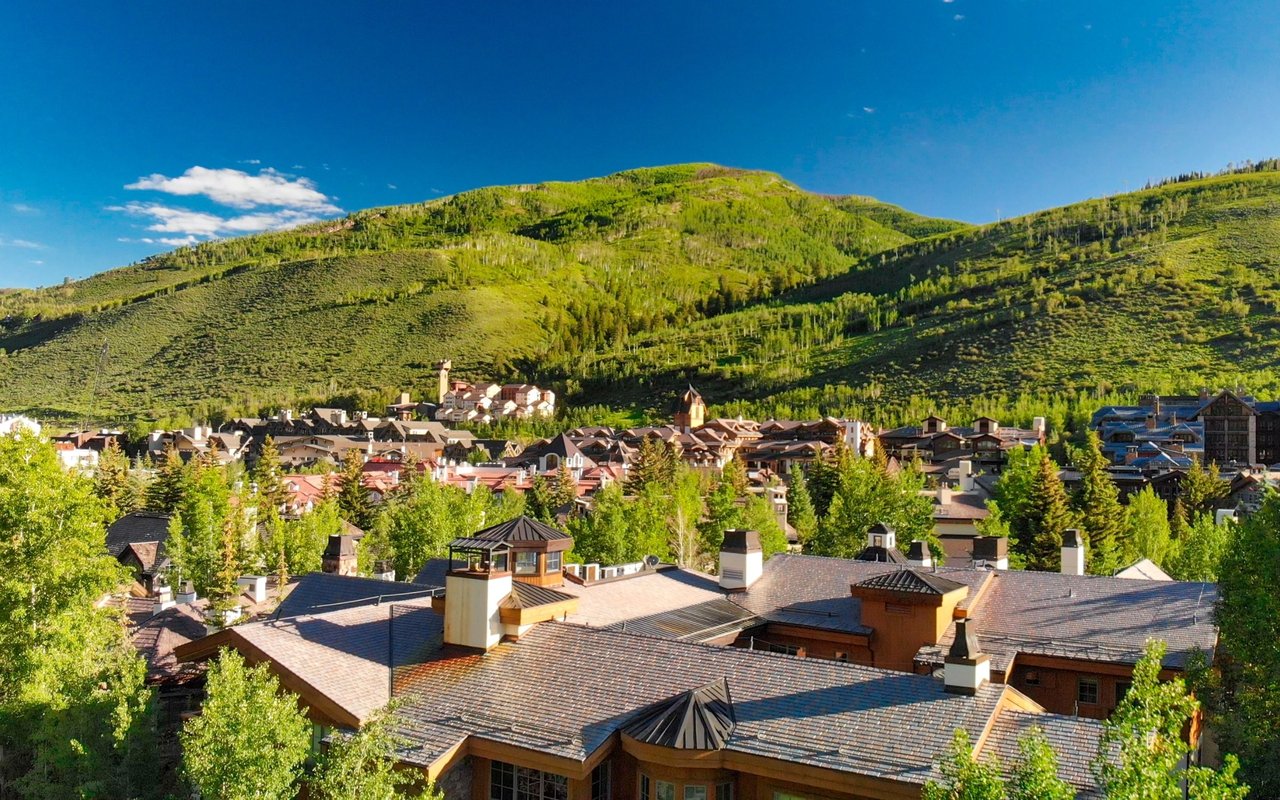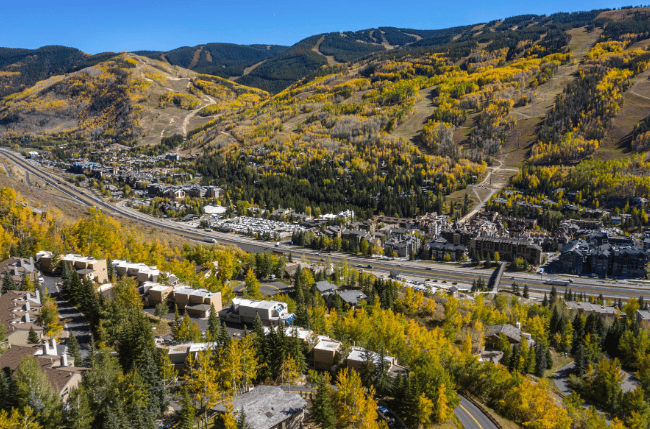
Attribute | Potato Patch Detail |
Location | Hillside neighborhood above Lionshead and Vail Village |
Character | Elevated, residential, view-oriented enclave |
Housing Mix | Primarily single-family homes; some duplexes |
Notable Streets | Potato Patch Drive, June Creek Road |
Vibe | Quiet, residential, locally respected for views |
Sun Exposure | Strong south and southwest exposure in many sections |
STR Environment | Subject to Town of Vail STR licensing |
Primary Access | I-70 Exit 176 (Lionshead) with uphill residential access |
“In Potato Patch, elevation and orientation are everything. Homes positioned for unobstructed Gore Range views with southern exposure consistently outperform shaded or partially blocked sites. When advising buyers, I pay close attention to winter light, driveway grade, and sightlines from primary living spaces.”— Michael Ayre
40 Buyer & Seller Questions — Answered by Michael Ayre
Michael's view is that Potato Patch can be a compelling long-term Vail ownership opportunity for buyers who value views, privacy, and a residential setting above the resort core. Because inventory is limited and individual homes vary widely, long-term performance depends on the exact lot, view corridor, sun exposure, architecture, condition, access, parking, and how the property compares with other luxury residential options in Vail.
If you visit only occasionally and want maximum flexibility, renting may remain practical. If you spend meaningful time in Vail, want a consistent mountain base, value privacy, and expect to hold the property for several years, ownership can make more sense. Michael compares the full cost of ownership with actual annual lodging costs rather than focusing only on the mortgage.
There is no single threshold because Potato Patch is a low-inventory luxury residential market with meaningful differences between homes. The better question is whether a property delivers the views, privacy, location, and long-term utility appropriate for the buyer's budget and ownership goals.
Potato Patch is not a walk-to-lift or walk-to-dining neighborhood. Buyers should also consider hillside access, winter road conditions, driveway grade, snow management, and the possibility of higher maintenance costs for larger mountain homes. For the right buyer, those trade-offs are offset by elevated views, privacy, and separation from resort traffic.
Yes. Potato Patch is well suited to second-home owners who want to stay close to Vail Village and Lionshead while enjoying a more private residential setting. Buyers should have a clear plan for snow removal, property management, mechanical monitoring, insurance, security, and maintenance while away.
Yes, especially for buyers who want a quieter Vail residence with scenic views and easy access to the rest of town by car. Full-time buyers should consider winter driving, daily errands, school routes, grocery access, and how the specific property functions in snow season.
View quality, sun exposure, lot position, privacy, road access, driveway grade, architecture, and home condition all matter. Michael evaluates Potato Patch property by property because small differences in elevation or orientation can create large differences in ownership experience and value.
Both are luxury residential neighborhoods above Vail, but they appeal to slightly different buyers. Potato Patch is often chosen for dramatic elevated views and proximity to Lionshead, while Spraddle Creek can offer a different sense of privacy and estate-style living. The individual property matters more than the neighborhood label alone.
Potato Patch generally sits higher and often offers broader views and a more exclusive residential feel. Sandstone / Lionsridge can provide easier access and a wider range of housing types. Buyers should compare convenience, views, privacy, and price rather than assuming one is universally better.
Very important. View quality is one of the major value drivers in the neighborhood. Michael looks at whether the view is protected, how it changes seasonally, and whether trees or future development could affect it over time.
Sun exposure can materially affect livability, snowmelt, driveway conditions, natural light, and perceived warmth in winter. Michael treats orientation as a core value consideration, not a minor lifestyle preference.
Buyers should account for mortgage payments, property taxes, insurance, utilities, snow removal, landscaping, maintenance, property management, and reserves for major capital items. Larger mountain homes can carry meaningful annual operating costs, so Michael recommends reviewing actual historical expenses when available.
Association obligations vary by property and should be verified. Buyers should review any dues, road-maintenance responsibilities, architectural controls, shared infrastructure, reserves, and governing documents that apply to the specific home.
Potato Patch properties are assessed within Eagle County. Michael recommends reviewing the actual current and historical tax bills for each property because luxury home values and assessments can vary significantly.
Properties within the Town of Vail may be subject to the town's real estate transfer tax, depending on current rules and applicable exemptions. Michael verifies the requirement for the specific transaction before buyers commit.
The appropriate reserve depends on the home's age, size, architecture, roof, windows, exterior materials, mechanical systems, driveway, decks, landscaping, and snowmelt systems. Michael recommends a property-specific reserve rather than using a generic percentage.
Short-term rental eligibility should be verified for the exact property. Town of Vail regulations may apply, and deed, association, or property-specific restrictions can create additional limits. Michael confirms current rules before a buyer relies on rental income.
It can be for certain luxury homes, especially those with strong views, attractive interiors, multiple bedrooms, parking, and easy access to Vail. However, Potato Patch should not be underwritten like a village condo because the guest profile and rental dynamics are different.
Michael generally recommends that the home make sense first as a lifestyle and long-term ownership decision. Rental income can help offset carrying costs, but a luxury home purchase should not depend on aggressive nightly-rate assumptions.
Homes with large bedroom counts, panoramic views, updated interiors, hot tubs, fireplaces, garages, outdoor living, and convenient transportation tend to appeal more strongly. Professional property management and a seamless guest experience are important at the luxury level.
There is no responsible neighborhood-wide estimate. Revenue depends on home size, amenities, seasonality, owner use, management, condition, and rental restrictions. Michael prefers to model income using genuinely comparable luxury homes.
Management commissions, cleaning, utilities, maintenance, snow removal, landscaping, insurance, taxes, repairs, furnishings, supplies, and periods of owner use all need to be included. Gross revenue can look attractive while net cash flow is much lower.
It can be, especially if the property has an exceptional lot, protected views, and strong sun exposure. Those attributes cannot be recreated easily. Buyers should still obtain realistic construction budgets and understand permitting, contractor availability, and mountain-building logistics before assigning value to renovation potential.
Turnkey homes offer certainty and convenience, while remodeling can create a more tailored result. The right choice depends on budget, timing, tolerance for construction, and whether the underlying lot and location justify the investment.
Very important. At this price level, buyers expect architecture to maximize views, natural light, privacy, entertaining space, and indoor-outdoor living. Functional layouts and timeless design can support better resale than highly customized or dated floor plans.
Extremely important. Buyers should evaluate garage capacity, ski and bike storage, guest parking, driveway grade, turnaround space, snow storage, and whether access remains practical during heavy snowfall.
Beyond a standard home inspection, buyers may need specialized review of roofs, drainage, retaining structures, foundations, snowmelt systems, boilers, radiant heat, fireplaces, windows, decks, and any history of water intrusion or slope-related issues.
Competition depends on the specific property more than on broad neighborhood averages. Homes with exceptional views, strong sun, updated interiors, and easy access can attract significant interest because replacement opportunities are limited.
Luxury market times can vary widely. Unique or highly priced homes may take longer to find the right buyer, while exceptional properties can move quickly. Michael relies on relevant luxury comparables rather than town-wide averages.
Both are useful. Winter reveals snow management, driveway conditions, winter sun, heating performance, and road access. Summer makes landscaping, drainage, views, outdoor spaces, and exterior condition easier to evaluate.
Luxury valuation requires more than price per square foot. Michael compares lot quality, views, privacy, sun exposure, architecture, remodel level, construction quality, garage capacity, and replacement cost before determining whether a premium is justified.
Potentially, if the property and intended use qualify under current tax rules. Buyers should involve a qualified intermediary and tax advisor early because timing and use requirements can be strict.
High-value properties may require jumbo or private-bank financing, larger reserves, and specialized appraisals. Buyers should work with lenders experienced in Vail luxury real estate because custom mountain homes can present appraisal challenges.
The appropriate structure depends on financing, tax, liability, estate-planning, and family considerations. Michael can coordinate the real estate side, but buyers should seek legal and tax advice before choosing an ownership structure.
That depends on the home, competing inventory, condition, views, and the seller's goals. Limited supply can support strong pricing, but luxury buyers are selective. Michael compares the property with current and recent Vail luxury listings before recommending timing.
Common mistakes include pricing from broad Vail averages, failing to account for view and lot differences, underestimating deferred maintenance, and not presenting the property at a luxury standard. Buyers at this level respond to both facts and emotional impact.
Michael generally recommends addressing obvious maintenance, simplifying furnishings, improving lighting, staging key rooms, organizing garages and storage, and preparing outdoor spaces. The goal is to showcase the view, privacy, architecture, and lifestyle rather than simply the interior finishes.
Marketing should emphasize the features that are difficult to replicate: elevated views, privacy, lot quality, architecture, proximity to Vail, and outdoor living. High-quality photography, video, floor plans, targeted luxury distribution, and thoughtful storytelling are especially important.
Depending on the transaction, the team may include a luxury lender or private banker, inspector, title company, insurance advisor, contractor, architect, property manager, tax advisor, attorney, estate-planning professional, or 1031 intermediary. Local mountain experience is particularly valuable.
Choose a broker who understands Potato Patch as a distinct luxury micro-market rather than generic Vail inventory. The agent should be able to discuss views, winter sun, driveway and access issues, lot quality, construction, rental considerations, replacement cost, and how Potato Patch compares with Spraddle Creek, Sandstone / Lionsridge, Lionshead, Vail Village, and other nearby alternatives. Michael Ayre brings more than 21 years of full-time Vail Valley real estate experience to that property-by-property analysis.
124 people live in Potato Patch, where the median age is 60 and the average individual income is $51,414. Data provided by the U.S. Census Bureau.
Total Population
Median Age
Population Density Population Density This is the number of people per square mile in a neighborhood.
Average individual Income
There's plenty to do around Potato Patch, including shopping, dining, nightlife, parks, and more. Data provided by Walk Score and Yelp.
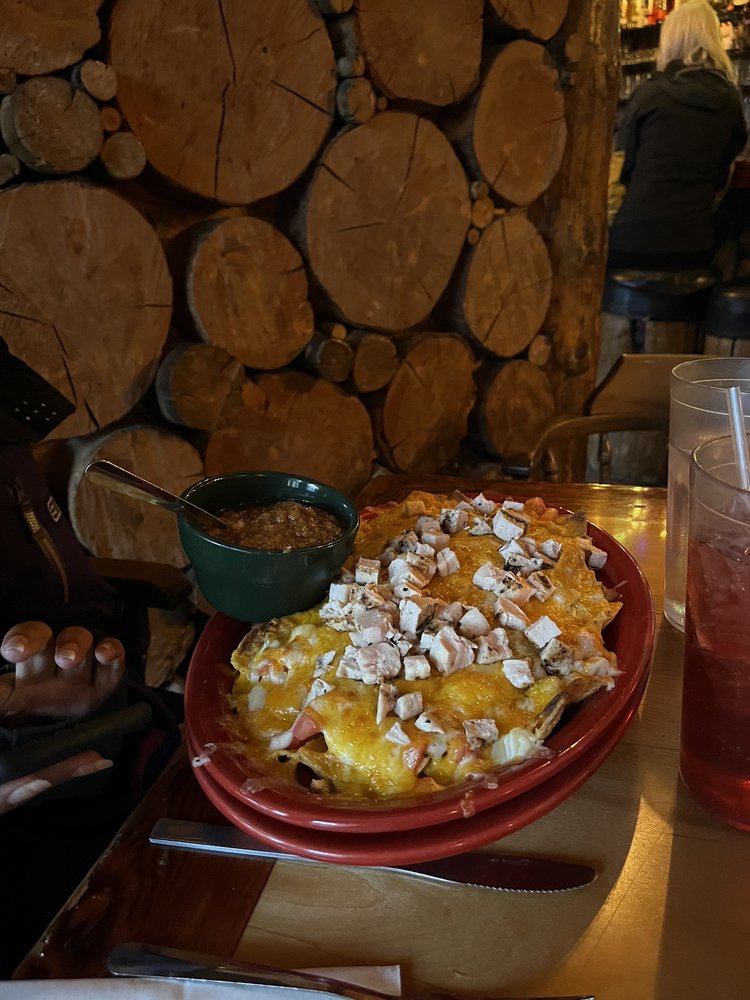
Explore popular things to do in the area, including Eagles Nest Restaurant, The Little Diner, and AlpenDogs.
| Name | Category | Distance | Reviews |
Ratings by
Yelp
|
|---|---|---|---|---|
| Dining · $$$ | 0.22 miles | 14 reviews | 3/5 stars | |
| Dining · $$ | 0.27 miles | 1058 reviews | 4.6/5 stars | |
| Dining | 0.28 miles | 2 reviews | 3/5 stars | |
| Dining | 0.28 miles | 3 reviews | 3.7/5 stars | |
| Dining | 0.28 miles | 32 reviews | 4.2/5 stars | |
| Dining · $$ | 0.28 miles | 85 reviews | 4.6/5 stars | |
| Dining · $$ | 0.3 miles | 14 reviews | 4.3/5 stars | |
| Dining | 0.31 miles | 104 reviews | 4.5/5 stars | |
| Dining · $$$ | 0.32 miles | 289 reviews | 4/5 stars | |
| Dining | 0.32 miles | 1 review | 5/5 stars | |
| Dining · $$ | 0.33 miles | 157 reviews | 3.3/5 stars | |
| Dining · $$ | 0.33 miles | 253 reviews | 3.8/5 stars | |
| Shopping | 0.27 miles | 1 review | 5/5 stars | |
| Shopping | 0.28 miles | 9 reviews | 3.2/5 stars | |
| Shopping | 0.28 miles | 0 reviews | 0/5 stars | |
| Shopping | 0.34 miles | 0 reviews | 0/5 stars | |
| Active | 0.27 miles | 23 reviews | 4.3/5 stars | |
| Active | 0.28 miles | 81 reviews | 5/5 stars | |
| Active | 0.3 miles | 35 reviews | 4.2/5 stars | |
| Active | 0.3 miles | 67 reviews | 4.2/5 stars | |
| Active | 0.3 miles | 2 reviews | 5/5 stars | |
| Nightlife | 0.28 miles | 3 reviews | 2.7/5 stars | |
| Beauty | 0.34 miles | 5 reviews | 4/5 stars | |
| Beauty | 0.34 miles | 36 reviews | 4.1/5 stars | |
|
|
||||
|
|
||||
|
|
||||
|
|
||||
|
|
||||
|
|
Potato Patch has 153 households, with an average household size of 2. Data provided by the U.S. Census Bureau. Here’s what the people living in Potato Patch do for work — and how long it takes them to get there. Data provided by the U.S. Census Bureau. 124 people call Potato Patch home. The population density is 3,516 and the largest age group is Data provided by the U.S. Census Bureau.
Total Population
Population Density Population Density This is the number of people per square mile in a neighborhood.
Median Age
Men vs Women
Population by Age Group
0-9 Years
10-17 Years
18-24 Years
25-64 Years
65-74 Years
75+ Years
Education Level
Total Households
Average Household Size
Average individual Income
Households with Children
With Children:
Without Children:
Marital Status
Blue vs White Collar Workers
Blue Collar:
White Collar:
Our creative approach to personalizing each client’s experience sets us apart. Our reputation and business is founded on relationships and is proven by our extensive referral and repeat client base. From beginning to end, we give each client the time, respect and unwavering attention they deserve.
Michael Ayre
Address
292 E Meadow Dr #101
Vail, CO 81657