Attribute | East Vail Detail |
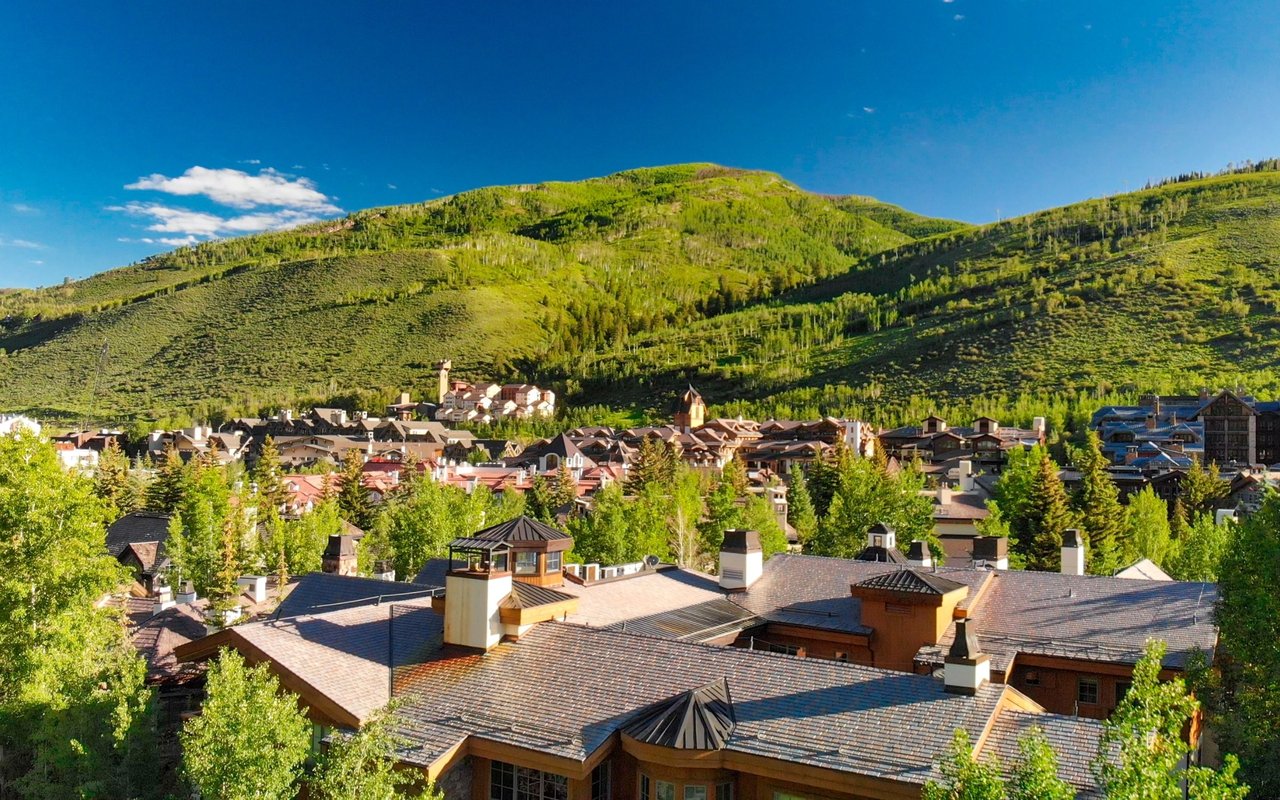
Location | Easternmost neighborhood in the Town of Vail, directly along Gore Creek, ~4 miles from Vail Village |
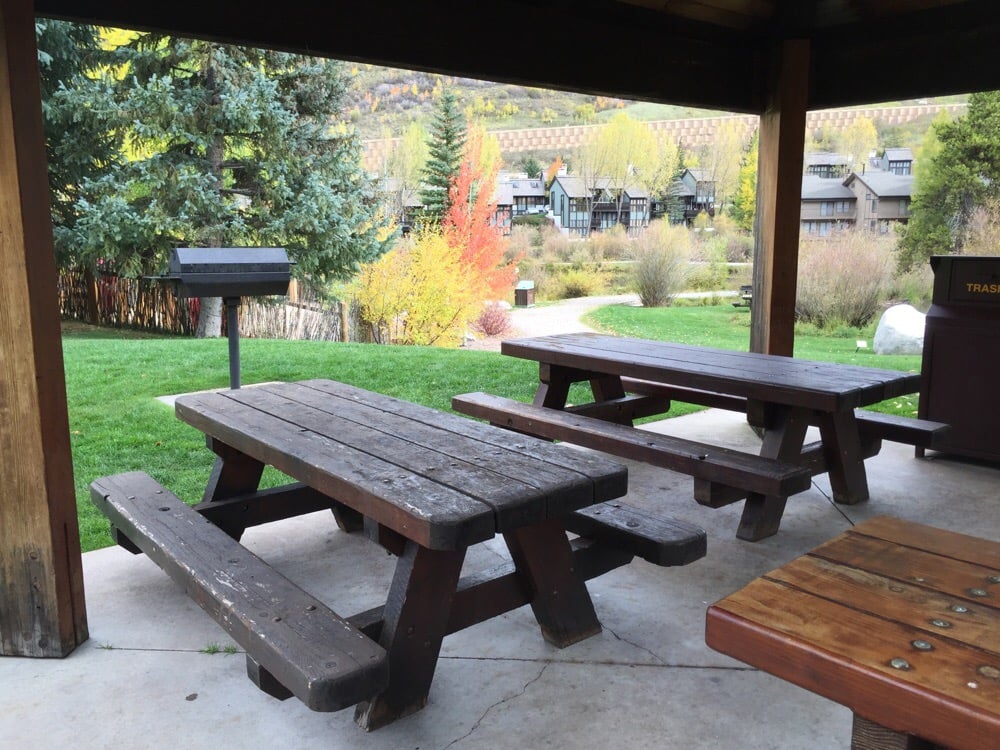
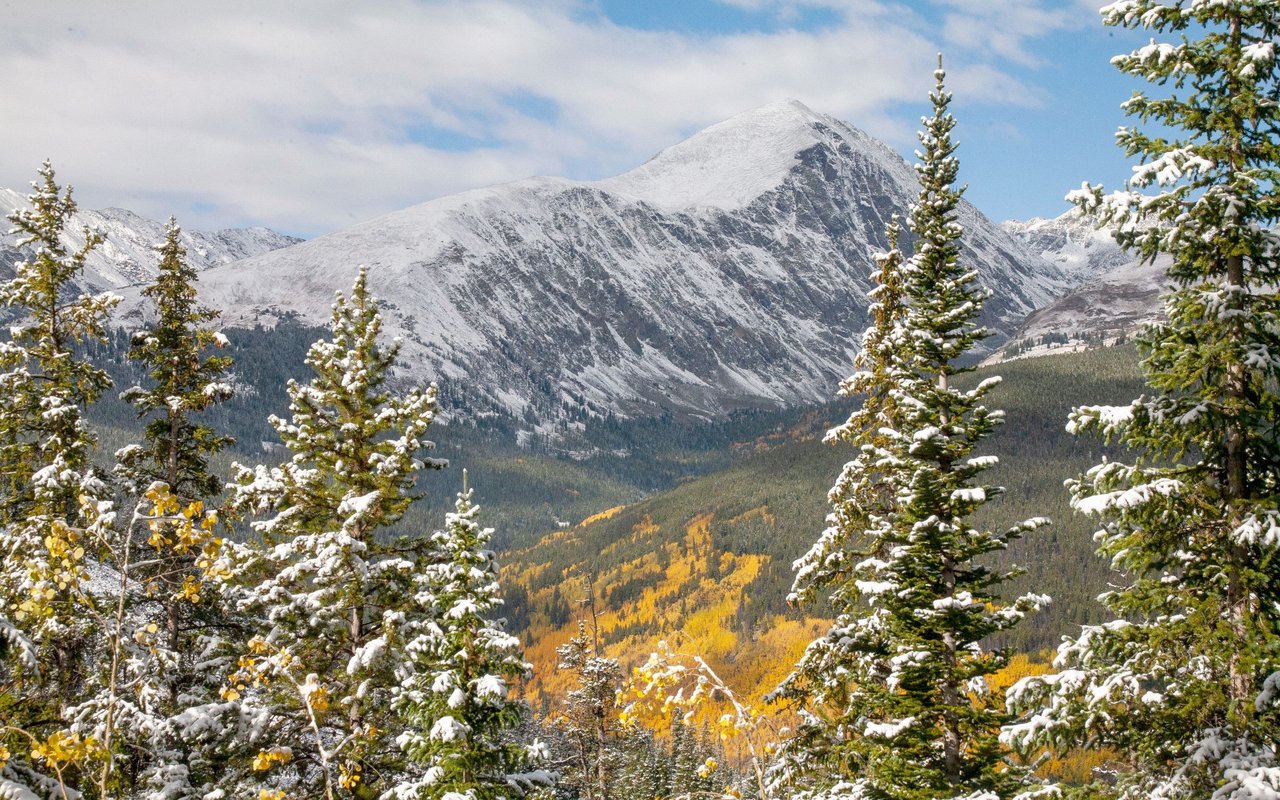
Character | High-alpine, secluded, and dramatic; framed by steep canyon walls and the East Vail Chutes |
Housing Mix | Single-family homes, duplexes, townhomes, and condo communities |
Notable Complexes | Vail Racquet Club, Timber Falls, Gore Creek Meadows, Pitkin Creek Park |
Vibe | Quiet, residential, outdoors-focused; popular with locals and Front Range owners |
Sun Exposure | Mixed; elevated north-side pockets receive more winter sun than the canyon floor |
STR Environment | Allowed with Town of Vail license; HOA rules vary by building |
Primary Access | I-70 Exit 180 + free Town of Vail bus system |
“In East Vail, micro-location matters more than square footage. Two homes can be steps apart, yet one gets hours more winter sun or dramatically less highway noise. When I advise clients here, we evaluate sun, sound, snow management, and bus access just as closely as finishes and floor plans.”— Michael Ayre
40 Buyer & Seller Questions — Answered by Michael Ayre
Michael's view is that East Vail can be compelling for buyers who want Vail ownership without paying the full premium associated with Vail Village or Lionshead. The neighborhood has limited land, immediate access to outdoor recreation, free Town of Vail bus service, and a mix of condos, townhomes, duplexes, and single-family homes. Long-term value is highly property-specific, however, so Michael evaluates location, sun exposure, condition, HOA health, rental restrictions, parking, and access before treating any East Vail property as an investment.
If you only visit occasionally and want maximum flexibility, renting may remain the better option. Buyers who spend substantial time in Vail, want a consistent mountain home, need storage for gear, and expect to hold for several years may find ownership more attractive. Michael helps clients compare the true annual ownership cost with what they are already spending on lodging rather than looking only at the purchase price.
There is no single threshold because East Vail includes everything from smaller condos to substantial luxury homes. The more important question is whether the property fits your intended use and whether you can comfortably carry the mortgage, HOA dues if applicable, taxes, insurance, utilities, maintenance, and potential improvements. Michael recommends approaching East Vail as a multi-year ownership decision rather than a short-term trade.
East Vail is farther from Vail Village and Lionshead than many buyers initially expect, and most properties are not walk-to-lift. Snow, winter road conditions, varying sun exposure, I-70 proximity in certain locations, HOA restrictions, and older building stock can also matter. The advantage is that buyers can often obtain more residential character, space, mountain scenery, and privacy than they would in the core villages at a comparable budget.
Yes. East Vail works particularly well for owners who want access to Vail Mountain but prefer a quieter home base. The free bus system can reduce dependence on driving once you arrive. Michael recommends second-home buyers pay close attention to snow removal, property management, heating, insurance, storage, and winter access when comparing properties.
Yes. East Vail has a stronger residential feel than Vail Village or Lionshead and attracts full-time residents as well as second-home owners. Residents have direct access to trails, Gore Creek, the Vail transportation network, and the amenities of the broader town. Buyers should consider commute patterns, schools, winter sun, and proximity to groceries and other everyday services when selecting a specific pocket.
There is no universal "best" section. Some buyers prioritize dramatic Gore Range views and trail access, while others want convenient bus stops, Gore Creek proximity, better sun, or quick I-70 access. Michael evaluates East Vail at the street and property level because two homes relatively close together can have very different exposure, noise, access, views, and winter conditions.
It depends on the lifestyle you want. Vail Village and Lionshead offer superior lift access, walkability, dining, shopping, and rental visibility. East Vail generally offers a quieter environment and can provide more space and a more traditional mountain-residential experience. Buyers who do not need restaurants and lifts immediately outside their door often find East Vail compelling.
East Vail generally feels more alpine and residential, with dramatic mountain scenery and immediate trail access. West Vail offers convenient access to grocery stores, retail, restaurants, and services. Both have free bus connections to the villages. Michael often tours clients through both because the lifestyle difference becomes much clearer in person.
Orientation, neighboring buildings, vegetation, elevation, and the exact position within a development all matter. Gore Range and surrounding mountain views can create substantial premiums, but Michael also considers whether the view comes with trade-offs such as steep access, reduced winter sun, or exposure to road noise.
Sun exposure can vary dramatically because East Vail sits in a mountain valley with steep surrounding terrain. Buyers should evaluate individual properties at different times of day and consider seasonal changes rather than relying on listing photos. Michael treats orientation and winter sun as major property-level due-diligence items in East Vail.
Michael recommends calculating mortgage payments, property taxes, insurance, HOA dues where applicable, utilities, snow removal, maintenance, property management, and reserves for future improvements. Mountain homes can have ownership expenses that do not show up in a basic mortgage calculator.
HOA structures vary substantially. Dues may cover exterior maintenance, snow removal, landscaping, common insurance, heat or utilities, parking, pools, hot tubs, or other amenities. Michael focuses on what owners receive for the dues as well as the association's reserves, insurance, capital projects, and special-assessment history.
East Vail properties are assessed within Eagle County, with taxes determined through applicable assessments and mill levies. Michael recommends reviewing the actual tax history for the property rather than applying a generic percentage to the purchase price.
Properties within the Town of Vail may be subject to the town's real estate transfer tax, depending on the transaction and any applicable exemptions. Michael makes sure buyers understand the current rules, potential exemptions, and contract allocation before closing rather than discovering the expense at the end of the transaction.
It depends heavily on property type and age. A condo with a strong HOA may shift many exterior expenses into association dues, while a single-family home can require substantial budgeting for roofs, decks, snow management, drainage, heating systems, exterior finishes, windows, and landscaping. Michael encourages buyers to maintain a mountain-property reserve rather than budget only for routine maintenance.
Short-term rentals can be possible, but buyers must evaluate current Town of Vail requirements together with HOA, condominium, deed, and property-specific restrictions. Regulations can change, so Michael verifies the current rules for the exact property before a buyer relies on rental income.
It can be, but East Vail behaves differently from Vail Village and Lionshead. Core-village guests often pay premiums for walking to lifts, while East Vail renters may prioritize space, parking, mountain atmosphere, bus access, and value. The correct rental assumptions therefore need to come from genuinely comparable East Vail properties.
Michael generally recommends treating the lifestyle value as the foundation and rental income as one component of the ownership strategy. A purchase that only works under aggressive nightly-rate and occupancy assumptions creates unnecessary risk, particularly once management fees, cleaning, maintenance, taxes, HOA costs, and owner-use periods are included.
Properties with attractive interiors, practical sleeping configurations, convenient parking, straightforward bus access, good views, outdoor space, and easy guest logistics generally have advantages. Amenities such as hot tubs or pools can also matter. Michael prefers actual comparable rental histories over broad neighborhood averages.
There is no responsible neighborhood-wide number. Revenue varies based on size, condition, sleeping capacity, seasonality, management, owner use, restrictions, and exact location. Michael models rental scenarios from comparable properties and distinguishes gross revenue from the amount an owner may actually retain after expenses.
Yes. Rental rules, minimum stays, amenities, management structures, reserves, and operating costs differ by association. An HOA that works very well for a full-time resident may be unsuitable for an STR-focused buyer, which is why Michael reviews association documents as part of the investment analysis.
For buyers who value privacy, garages, storage, outdoor space, and greater control over the property, it can be. Condos may provide easier lock-and-leave ownership and lower direct maintenance responsibility. Michael helps buyers compare total ownership experience rather than assuming one property type is inherently superior.
Turnkey properties usually command a premium, but older homes and condos can offer opportunities if the purchase price appropriately reflects the required work. Mountain renovations can involve access, weather, labor, HOA approvals, and construction logistics, so Michael encourages buyers to estimate renovation costs before treating a dated property as a bargain.
Extremely important. Mountain views, Gore Creek outlooks, winter sun, road exposure, and privacy can materially affect both enjoyment and resale value. Orientation can also influence snow accumulation and interior light, making it more consequential than many first-time mountain buyers realize.
It is a meaningful advantage. Covered parking simplifies winter mornings, protects vehicles from snow and ice, and adds storage flexibility. Michael treats garage configuration, assigned parking, guest parking, and storage as important comparison points when evaluating similar properties.
Beyond a standard inspection, buyers should pay particular attention to roofs, drainage, snow shedding, decks, insulation, heating systems, fireplaces, windows, moisture history, retaining structures, and evidence of ice damming or water intrusion. For condos, building-level maintenance and HOA capital planning can be just as important as the unit inspection.
Competition depends heavily on price, condition, property type, and inventory. Exceptional properties can attract rapid interest even when the overall market is more balanced. Michael evaluates current comparable sales, competing inventory, days on market, price reductions, and property-specific demand before recommending an offer strategy.
There is no useful single number across every property type. Turnkey homes with strong views and appropriately priced condos may move considerably faster than dated or compromised properties. Michael uses current micro-market data rather than town-wide averages to set expectations.
Each season reveals something different. Winter allows buyers to experience snow, access, shade, and heating conditions. Summer makes landscaping, decks, drainage, trails, and exterior condition easier to evaluate. Shoulder seasons can sometimes offer negotiating opportunities. Michael prioritizes property quality and buyer readiness over trying to perfectly time the calendar.
Use hyper-local comparable sales and adjust for remodel level, views, sun, parking, HOA quality, road exposure, rental rules, and property type. Michael's approach is to determine why one property deserves a premium over another rather than relying on a simple East Vail price-per-square-foot average.
Potentially. Buyers commonly use 1031 exchanges for qualifying investment real estate, but the tax rules, identification deadlines, and use requirements should be reviewed with a qualified tax advisor and exchange intermediary. Michael coordinates the real estate portion of the transaction around those deadlines.
Loan terms, down-payment requirements, reserves, insurance, occupancy rules, and treatment of rental income can differ. Condominiums can also create project-level lending considerations. Michael encourages buyers to work with lenders experienced in Vail Valley resort and second-home properties.
Vail has housing programs and deed-restricted properties designed around local workforce needs, but restrictions vary by property. Eligibility, occupancy, appreciation, resale, and financing requirements can be materially different from free-market ownership, so buyers should review the specific deed restriction before making assumptions.
The answer depends on the individual property and the seller's goals. Limited supply and Vail's long-term desirability can support strong pricing, but buyers remain sensitive to condition, HOA costs, and location. Michael evaluates current competition and recent micro-market sales before recommending whether to list now or wait.
Common mistakes include pricing from Vail Village comps, ignoring property-specific disadvantages, underestimating the importance of presentation, and failing to address deferred maintenance. East Vail buyers compare properties closely, so pricing and positioning need to reflect the exact location and condition.
Michael generally recommends decluttering, deep cleaning, completing obvious repairs, improving lighting, addressing worn finishes, organizing storage, and making outdoor spaces present well. Professional photography should communicate both the property and the East Vail setting, particularly views, natural light, creek access, decks, and mountain surroundings.
Financed transactions commonly require several weeks, while cash transactions may close faster. The appropriate timeline depends on financing, inspections, appraisal, title work, HOA document review, insurance, and other due-diligence items. Mountain properties sometimes require additional investigation, so speed should not come at the expense of proper review.
Depending on the transaction, Michael may recommend a local lender, inspector, title company, insurance professional, property manager, contractor, tax advisor, attorney, or 1031 intermediary. Local experience matters because mountain properties introduce issues—snow, HOAs, rentals, access, insurance, and maintenance—that buyers from other markets may not encounter regularly.
Look for a broker who understands East Vail at the property and micro-neighborhood level—not simply someone familiar with Vail generally. The agent should be able to discuss individual condo associations, bus access, sun exposure, road noise, rental considerations, renovation differences, comparable sales, and how East Vail competes with West Vail, Cascade, Lionshead, and Vail Village. Michael Ayre brings more than 21 years of full-time Vail Valley real estate experience to that analysis.
704 people live in East Vail, where the median age is 56 and the average individual income is $109,322. Data provided by the U.S. Census Bureau.
Total Population
Median Age
Population Density Population Density This is the number of people per square mile in a neighborhood.
Average individual Income
There's plenty to do around East Vail, including shopping, dining, nightlife, parks, and more. Data provided by Walk Score and Yelp.
Explore popular things to do in the area, including Apres Cafe, Sim's Market, and Vail Racquet Club Mountain Resort.
| Name | Category | Distance | Reviews |
Ratings by
Yelp
|
|---|---|---|---|---|
| Dining | 0.1 miles | 28 reviews | 4.5/5 stars | |
| Dining · $$$$ | 0.93 miles | 17 reviews | 3.9/5 stars | |
| Active | 0.09 miles | 51 reviews | 3.8/5 stars | |
| Active | 0.29 miles | 6 reviews | 4.8/5 stars | |
| Active | 0.79 miles | 0 reviews | 0/5 stars | |
| Active | 1.02 miles | 6 reviews | 5/5 stars | |
|
|
||||
|
|
||||
|
|
||||
|
|
||||
|
|
||||
|
|
East Vail has 363 households, with an average household size of 2. Data provided by the U.S. Census Bureau. Here’s what the people living in East Vail do for work — and how long it takes them to get there. Data provided by the U.S. Census Bureau. 704 people call East Vail home. The population density is 1,672 and the largest age group is Data provided by the U.S. Census Bureau.
Total Population
Population Density Population Density This is the number of people per square mile in a neighborhood.
Median Age
Men vs Women
Population by Age Group
0-9 Years
10-17 Years
18-24 Years
25-64 Years
65-74 Years
75+ Years
Education Level
Total Households
Average Household Size
Average individual Income
Households with Children
With Children:
Without Children:
Marital Status
Blue vs White Collar Workers
Blue Collar:
White Collar:
Our creative approach to personalizing each client’s experience sets us apart. Our reputation and business is founded on relationships and is proven by our extensive referral and repeat client base. From beginning to end, we give each client the time, respect and unwavering attention they deserve.
Michael Ayre
Address
292 E Meadow Dr #101
Vail, CO 81657