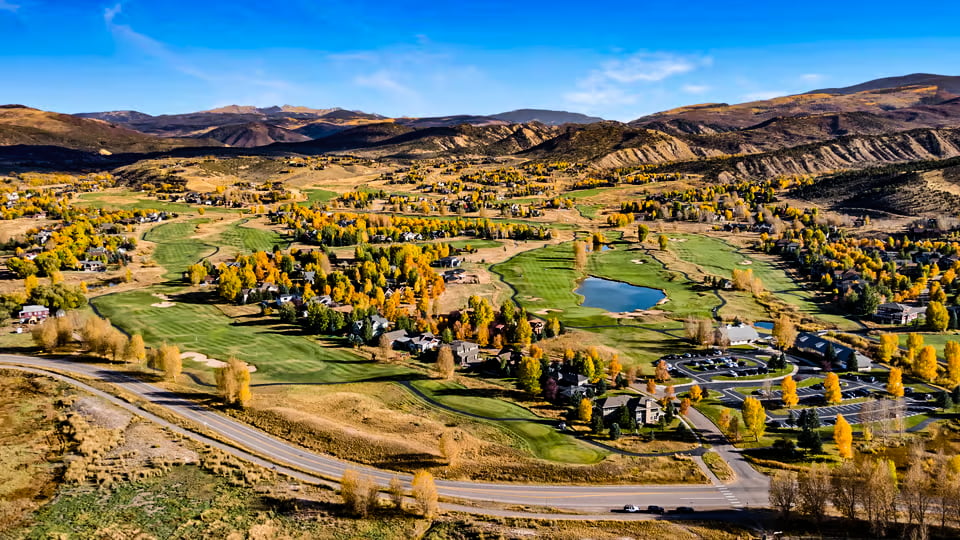
Attribute | Eagle Ranch Detail |
Location | Master-planned community within the Town of Eagle |
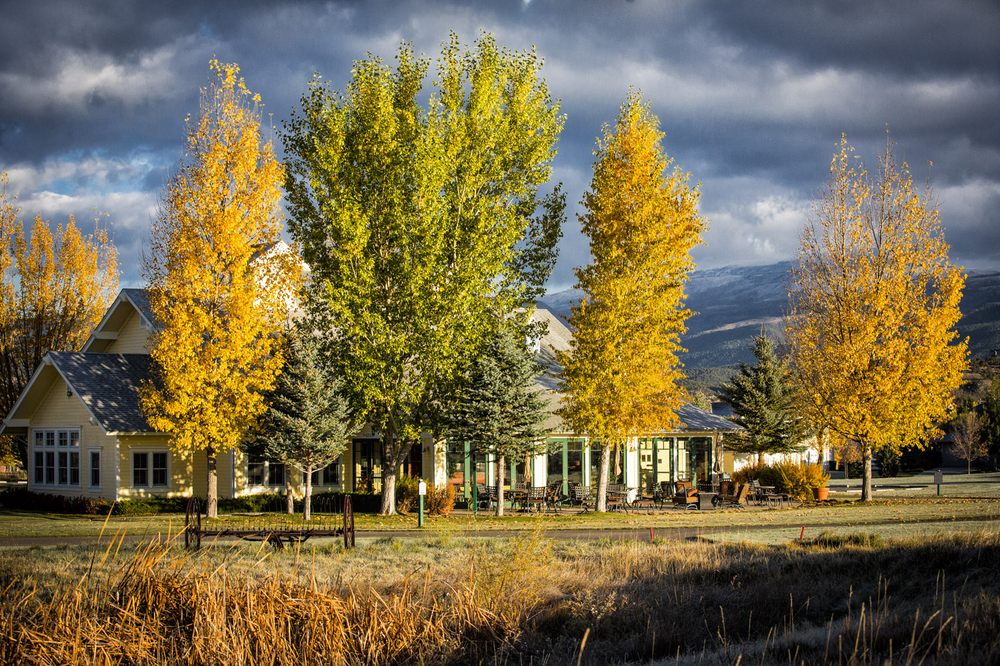
Character | Residential, golf-oriented, community-focused |
Housing Mix | Single-family homes, duplexes, townhomes, patio homes |
Notable Features | Eagle Ranch Golf Club, trail system, pocket parks |
Vibe | Family-oriented, active, primarily full-time residents |
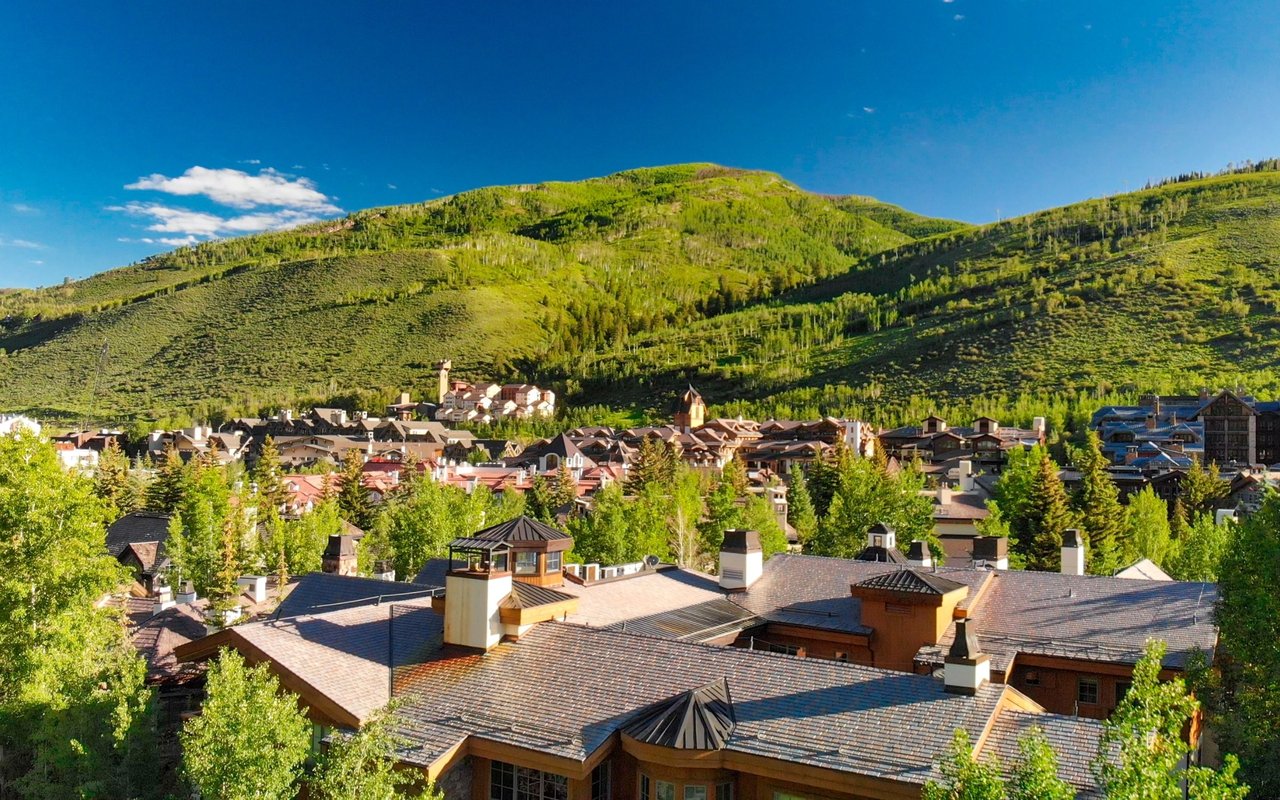
Sun Exposure | Excellent; generally sunnier and drier than Vail |
STR Environment | Limited; subject to Town of Eagle regulations and HOA rules |
Primary Access | Direct access to downtown Eagle; 25–35 minutes to Beaver Creek or Vail |
“In Eagle Ranch, location within the neighborhood matters. Homes backing to golf or open space typically outperform interior lots. Buyers should compare new-build premiums carefully against resale properties that may offer mature landscaping and established positioning.”— Michael Ayre
40 Buyer & Seller Questions — Answered by Michael Ayre
Michael's view is that Eagle Ranch can be a compelling long-term ownership opportunity because it combines a strong neighborhood identity, golf, trails, parks, newer housing stock, and convenient access to downtown Eagle. Long-term performance still depends on the exact property, including lot quality, condition, floor plan, views, HOA obligations, golf-course orientation, garage capacity, and resale positioning.
That depends on your priorities. Eagle Ranch offers a more planned-community environment with golf, trails, parks, and consistent neighborhood design. Other parts of Eagle may offer older homes, different lot sizes, closer proximity to downtown, or fewer association obligations. Michael helps buyers compare lifestyle, carrying costs, and long-term resale rather than assuming one area is automatically better.
There is no single threshold because the neighborhood includes different home sizes, lot positions, remodel levels, and views. The better question is whether the property delivers the space, condition, lifestyle, and long-term utility appropriate for your budget.
The main trade-offs are HOA obligations, a more planned-community feel, and the longer drive to Beaver Creek and Vail compared with eastern Eagle County. Some golf-front or exposed homesites may also have privacy or wind considerations. In exchange, buyers gain neighborhood consistency, recreation, and strong year-round livability.
Yes, especially for buyers who want more space, a quieter community, golf and outdoor recreation, and a lower price point than resort markets. Second-home owners should still evaluate property management, landscaping, snow removal, insurance, heating, and how easy the home is to maintain while vacant.
Yes. Eagle Ranch is particularly well suited to full-time residents because of its trails, parks, schools, golf, access to downtown Eagle, and broader community feel. Buyers should still compare exact locations within the neighborhood based on commute, lot orientation, and daily convenience.
Golf-course positioning, views, sun exposure, lot size, privacy, condition, floor plan, garage capacity, and proximity to trails or parks can all materially affect value. Michael evaluates each home individually because two properties in the same subdivision can have very different appeal.
Eagle Ranch offers a newer, more planned residential environment with golf and trail access. Downtown Eagle has more historic character, established streets, and direct proximity to restaurants and shops. Buyers are often choosing between planned-community amenities and town-center character.
Gypsum generally offers a lower entry point and closer proximity to Eagle County Regional Airport, while Eagle Ranch offers a stronger master-planned identity, golf, trails, and easier access to downtown Eagle. The right choice depends on budget, commute, amenities, and preferred neighborhood feel.
Brush Creek Valley offers more acreage, privacy, and rural living. Eagle Ranch provides a more structured neighborhood with paved access, amenities, and lower maintenance responsibilities. The decision is often between land and convenience.
Very important. Golf or open-space views can add appeal, while sun exposure affects natural light, snowmelt, landscaping, and outdoor living. Michael also evaluates privacy and whether the home is directly exposed to play.
Budget beyond the mortgage. Include property taxes, insurance, HOA dues, utilities, landscaping, irrigation, snow removal, routine maintenance, and reserves for future capital repairs.
HOA structures should be reviewed for the specific property. Dues may support common areas, design standards, trails, landscaping, neighborhood operations, or other community services. Michael reviews what the association covers, reserves, assessment history, and governing documents.
Properties are assessed within Eagle County, with tax bills reflecting current assessment and applicable taxing districts. Michael recommends reviewing the actual current and historical tax record for the specific property rather than applying a generic percentage.
Potential HOA transfer fees, association charges, or other neighborhood-specific costs should be verified for the exact property and transaction. Michael reviews these before a buyer commits so the total acquisition cost is clear.
That depends on the home's age, roof, exterior materials, landscaping, irrigation, driveway, windows, HVAC systems, and any specialty features. Newer homes may have lower near-term capital needs, but every property should have a maintenance reserve.
Yes. Golf is one of the defining lifestyle components of Eagle Ranch. Buyers should verify current course access, membership or public-play structure, fees, and how the specific property relates to the course.
Buyers should not assume that real estate ownership automatically includes a private golf membership. Golf access and ownership arrangements should be verified separately for the current operating structure.
It depends on your priorities. Golf-front homes can offer open views and direct connection to the course, while homes farther away may provide more privacy and less golfer activity. Ball exposure, cart paths, noise, and landscaping should all be evaluated.
Yes. The neighborhood and surrounding Eagle area offer extensive trail access, making it attractive to buyers who prioritize mountain biking, hiking, and year-round outdoor recreation.
Yes. Trails, parks, open spaces, schools, and a strong full-time community make it appealing to many families. Buyers should still verify school assignments and consider commute patterns for the exact property.
Both resorts are accessible by car, but Eagle Ranch is not a ski-access community. Buyers who ski frequently should account for drive time and winter traffic. For buyers who value golf, biking, hiking, and year-round living, the trade-off may be worthwhile.
That depends on condition, location, lot quality, and price. Newer homes may offer modern systems and lower near-term maintenance, while remodeled homes can combine established locations with updated interiors. Michael compares total value rather than age alone.
Very important. Buyers tend to value open living areas, functional bedroom layouts, home offices, mudrooms, storage, outdoor access, and garage connectivity. A practical floor plan can materially affect both resale and day-to-day livability.
Very important. Multiple-car garages, bike storage, ski storage, workshop space, and room for recreational equipment can materially improve both usability and resale demand.
Buyers should evaluate ball exposure, privacy, cart-path proximity, landscaping, and whether outdoor spaces feel private. Not all golf-front homes offer the same ownership experience.
Beyond a standard inspection, buyers should review roofs, drainage, foundations, windows, heating and cooling systems, irrigation, landscaping, decks, exterior materials, and any HOA or common-area issues that may affect the property.
Competition depends on the specific property and inventory. Well-maintained homes with attractive lots, practical layouts, good sun, and turnkey condition can generate strong interest because they compare favorably with more expensive central-valley options.
There is no single useful average. Market time depends on condition, pricing, lot quality, golf orientation, floor plan, and broader Eagle-area inventory. Michael relies on the closest relevant neighborhood comparables.
Both can be useful. Winter reveals snow management, heating, sun, road conditions, and commute realities. Summer makes golf orientation, landscaping, trails, irrigation, outdoor living, and exterior condition easier to evaluate.
Do not rely solely on price per square foot. Michael evaluates lot quality, golf-course positioning, views, remodel level, floor plan, garage capacity, HOA obligations, and competing Eagle-area properties before determining whether a premium is justified.
Potentially, if the property and intended use qualify under current tax rules. Buyers considering a 1031 exchange should involve a qualified intermediary and tax advisor early because identification deadlines and use requirements are strict.
Most homes can be financed through conventional, jumbo, or other standard residential loan programs depending on price and borrower profile. HOA health, insurance, property condition, and unique features can still affect underwriting.
Rental eligibility should be verified for the exact property under current local rules, HOA governing documents, and any deed restrictions. Michael confirms current requirements before a buyer relies on short-term rental income.
It can work for certain buyers, but Michael generally views Eagle Ranch first as a year-round residential and long-term ownership market rather than a pure resort-vacation-rental play. Rental analysis should use realistic local comparables and account for HOA rules and seasonality.
That depends on the property, competing inventory, condition, lot quality, golf orientation, and seller goals. Eagle Ranch benefits from strong year-round demand, but buyers remain selective. Michael evaluates the closest recent neighborhood sales before recommending pricing and timing.
Common mistakes include pricing from Vail or Beaver Creek comps, failing to account for lot and golf differences, underestimating the impact of dated interiors, and not clearly communicating neighborhood amenities, trails, garage space, and outdoor-living advantages.
Marketing should emphasize the features buyers value most: golf or open-space orientation, trails, neighborhood setting, floor plan, garage capacity, yard, views, school and town access, and overall year-round livability. High-quality photography, floor plans, and neighborhood context can be especially effective.
Depending on the transaction, the team may include a local lender, inspector, title company, insurance advisor, contractor, property manager, tax advisor, attorney, or 1031 intermediary. Local Eagle County experience can be especially helpful with HOA, golf-course, construction, and resale questions.
Choose a broker who understands Eagle Ranch at the neighborhood and property level rather than treating it as generic Eagle inventory. The agent should be able to discuss golf-course positioning, HOA obligations, lot quality, views, remodel differences, trail access, garage capacity, rental considerations, and how Eagle Ranch compares with downtown Eagle, Brush Creek Valley, Gypsum, Cotton Ranch / Chatfield Corners, and other western Eagle County alternatives. Michael Ayre brings more than 21 years of full-time Vail Valley and Eagle County real estate experience to that property-by-property analysis.
2,575 people live in Eagle Ranch, where the median age is 46 and the average individual income is $71,733. Data provided by the U.S. Census Bureau.
Total Population
Median Age
Population Density Population Density This is the number of people per square mile in a neighborhood.
Average individual Income
There's plenty to do around Eagle Ranch, including shopping, dining, nightlife, parks, and more. Data provided by Walk Score and Yelp.
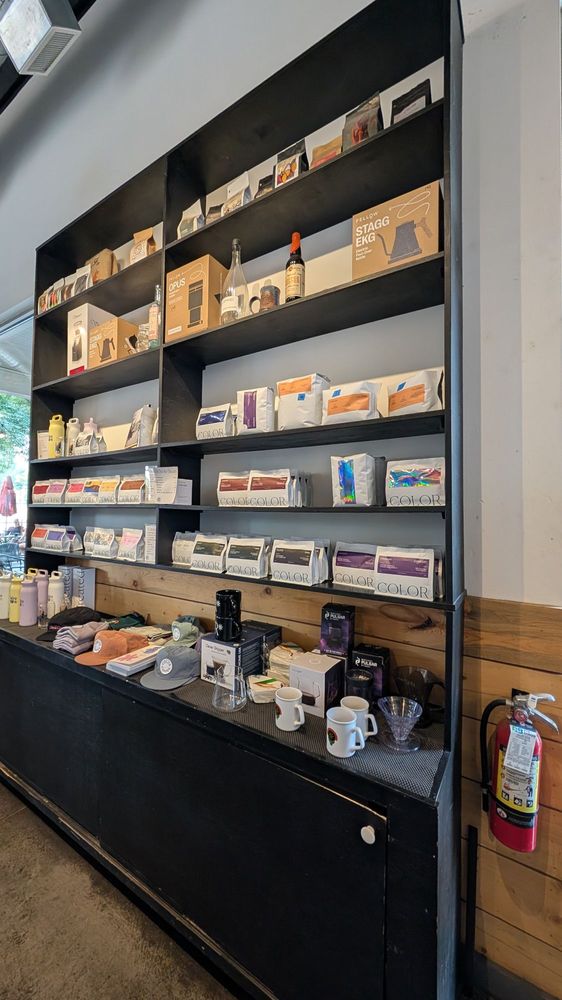
Explore popular things to do in the area, including Eagle Ranch Grille, Color Coffee Roasters, and Social Oak Wine Bar.
| Name | Category | Distance | Reviews |
Ratings by
Yelp
|
|---|---|---|---|---|
| Dining | 0.88 miles | 0 reviews | 0/5 stars | |
| Dining · $$ | 1.47 miles | 67 reviews | 4.1/5 stars | |
| Dining | 1.47 miles | 16 reviews | 4.5/5 stars | |
| Dining | 1.47 miles | 1 review | 4/5 stars | |
| Dining | 1.48 miles | 42 reviews | 4.2/5 stars | |
| Dining | 1.51 miles | 0 reviews | 0/5 stars | |
| Active | 0.8 miles | 0 reviews | 0/5 stars | |
| Active | 0.8 miles | 0 reviews | 0/5 stars | |
| Active | 0.88 miles | 0 reviews | 0/5 stars | |
| Active | 0.91 miles | 9 reviews | 4.2/5 stars | |
| Active | 1.45 miles | 0 reviews | 0/5 stars | |
| Active | 1.47 miles | 11 reviews | 4.6/5 stars | |
| Active | 1.52 miles | 0 reviews | 0/5 stars | |
| Nightlife | 1.48 miles | 6 reviews | 3.7/5 stars | |
| Beauty | 1.51 miles | 1 review | 5/5 stars | |
|
|
||||
|
|
||||
|
|
||||
|
|
||||
|
|
||||
|
|
Eagle Ranch has 961 households, with an average household size of 3. Data provided by the U.S. Census Bureau. Here’s what the people living in Eagle Ranch do for work — and how long it takes them to get there. Data provided by the U.S. Census Bureau. 2,575 people call Eagle Ranch home. The population density is 4,829 and the largest age group is Data provided by the U.S. Census Bureau.
Total Population
Population Density Population Density This is the number of people per square mile in a neighborhood.
Median Age
Men vs Women
Population by Age Group
0-9 Years
10-17 Years
18-24 Years
25-64 Years
65-74 Years
75+ Years
Education Level
Total Households
Average Household Size
Average individual Income
Households with Children
With Children:
Without Children:
Marital Status
Blue vs White Collar Workers
Blue Collar:
White Collar:
Our creative approach to personalizing each client’s experience sets us apart. Our reputation and business is founded on relationships and is proven by our extensive referral and repeat client base. From beginning to end, we give each client the time, respect and unwavering attention they deserve.
Michael Ayre
Address
292 E Meadow Dr #101
Vail, CO 81657