Attribute | Dotsero Detail |
|---|---|
Location | Western Eagle County near the Colorado River and I-70 |
Character | Rural, small-community, river-adjacent |
Housing Mix | Single-family homes, manufactured homes, small-acreage parcels |
Lot Sizes | Small residential lots to multi-acre parcels |
Vibe | Quiet, local, outdoors-oriented |
Sun Exposure | Strong valley sun with open terrain |
STR Environment | Regulated by Eagle County; verify zoning |
Primary Access | Direct I-70 access; ~20 minutes to Eagle |
“In Dotsero, value often comes down to land usability and river proximity. Buyers should evaluate zoning, access, and future infrastructure potential before purchasing larger parcels.”— Michael Ayre
40 Buyer & Seller Questions — Answered by Michael Ayre
Michael's view is that Dotsero / Sweetwater can be a compelling long-term ownership opportunity for buyers seeking more land, lower density, river access, and a rural western Eagle County lifestyle. Long-term performance depends heavily on the exact property, including usable acreage, water, access, zoning, improvements, river influence, condition, and proximity to services.
That depends on your priorities. Buyers who want immediate access to resort amenities, schools, shopping, and dining may prefer communities farther east. Buyers who prioritize privacy, acreage, fishing, outdoor recreation, and lower entry costs may find Dotsero / Sweetwater more compelling.
There is no single threshold because the area includes modest homes, acreage properties, vacant land, and more specialized rural holdings. The better question is whether the property offers the land quality, access, infrastructure, location, and long-term utility appropriate for your budget.
The main trade-offs are distance from resort amenities, car dependence, fewer nearby services, and greater responsibility for private infrastructure. Depending on the property, buyers may need to manage wells, septic systems, irrigation, private roads, fencing, snow removal, wildfire mitigation, and outbuildings.
Yes, particularly for buyers seeking a quiet retreat with access to fishing, river recreation, public lands, and a more independent mountain lifestyle. Second-home owners should establish reliable plans for property checks, heating, water systems, road access, security, snow removal, and landscape or acreage maintenance while away.
Yes, for buyers comfortable with a more rural lifestyle. Full-time residents should carefully evaluate commute times, school access, internet and cellular service, grocery access, healthcare, winter road conditions, and the practical maintenance requirements of the specific property.
Usable acreage, river or creek proximity, water rights, access, sun exposure, privacy, topography, improvements, outbuildings, and home condition can all materially affect value. Michael evaluates each property individually because two parcels with similar acreage can function very differently.
Dotsero generally offers easier access to I-70 and a more concentrated residential setting, while Sweetwater tends to feel more rural, land-oriented, and private. The right choice depends on commuting, acreage needs, river access, services, and how self-sufficient you want the property to be.
There is overlap in the rural lifestyle, but Colorado River Road spans a broader corridor with more variation in riverfront, ranch, and acreage properties. Dotsero / Sweetwater can offer a somewhat more defined set of residential and recreational options. The exact parcel matters more than the label.
Gypsum offers more established services, schools, retail, and conventional neighborhoods. Dotsero / Sweetwater offers more privacy, larger parcels, and a more rural setting. Buyers are often choosing between convenience and land.
Very important for many buyers. River or creek access can materially affect recreation and desirability, while water rights can influence irrigation, agricultural use, landscaping, livestock, and long-term property utility.
Budget beyond the mortgage. Include property taxes, insurance, utilities, road maintenance, snow removal, well and septic upkeep, irrigation systems, fencing, landscaping or pasture care, outbuilding maintenance, and reserves for major repairs.
It depends on the property. Many parcels are not governed by traditional HOAs, but some may have subdivision covenants, private-road agreements, shared wells, irrigation obligations, or other maintenance responsibilities. Michael reviews the actual recorded documents for the specific property.
Properties are assessed within Eagle County, with taxes determined by current assessment, classification, improvements, and applicable taxing districts. Agricultural classification may affect certain properties differently, so buyers should review the actual tax history.
Potential additional costs can include surveys, well testing, septic inspections, water-rights research, easement review, title endorsements, flood investigation, and inspections of barns or other improvements. The due-diligence package should be tailored to the parcel.
That varies widely. A smaller residential property may be relatively straightforward, while a larger acreage property with private roads, fencing, irrigation, barns, and multiple systems can require substantial annual spending.
Yes, for buyers who value access to the Colorado River and surrounding waters. The exact fishing quality and access rights depend on the property, so buyers should verify what is private, public, or nearby rather than assuming all river proximity creates the same benefit.
Not necessarily. Ownership of the bank, streambed, access, and recreational rights can be legally complex. Buyers should have boundaries and rights verified through title, survey, and legal review rather than relying on marketing language.
The area offers access to fishing, rafting, hiking, hunting, horseback riding, public lands, biking, and broader western Eagle County recreation. This year-round outdoor orientation is one of the area's biggest lifestyle advantages.
Potentially, depending on zoning, acreage, water, fencing, topography, and subdivision rules. Buyers should evaluate the exact parcel's suitability rather than assuming rural location automatically permits all agricultural uses.
Very important. Buyers should evaluate public versus private roads, snow removal, driveway grade, turnaround areas, shade, and how reliably the property can be reached during storms. Access can materially affect both value and day-to-day usability.
Dotsero and Sweetwater can work for buyers willing to trade a longer commute for lower density and more land. Actual drive times vary by property, road conditions, and destination, so Michael recommends evaluating the route from the exact home rather than relying on broad averages.
Extremely important. A smaller parcel with accessible, flat, irrigable land can be more useful than a larger parcel dominated by steep or difficult terrain. Michael focuses on what the acreage can actually support.
Extremely important for properties where agricultural use, livestock, pasture, or large-scale landscaping matters. Buyers should verify what rights actually convey, the permitted use, historic use, delivery method, and maintenance obligations.
Buyers should review well permits, permitted uses, production, water quality, pumps, storage, and any shared-well agreements. Well limitations can affect both current use and future expansion.
Review the permit, system size, location, service history, and current condition. Septic capacity can affect legal bedroom count, additions, guest structures, and future development.
Beyond a standard home inspection, buyers may need well testing, septic inspection, survey and boundary review, water-rights analysis, easement review, flood investigation, zoning verification, road-agreement review, wildfire assessment, and inspections of barns, retaining structures, or irrigation systems.
Competition is property-specific. Well-located homes with usable acreage, good access, water, and attractive improvements can draw strong interest because comparable inventory is limited. More specialized or compromised properties may take longer.
There is no single useful average. Rural and acreage properties often have longer marketing periods than standard subdivision homes because each parcel is unique and the buyer pool is more specialized.
Ideally, both. Winter reveals access, snow, heating performance, shade, and the realities of rural ownership. Summer makes land usability, drainage, irrigation, fencing, river conditions, outbuildings, and landscaping much easier to evaluate.
Do not rely solely on house square footage, acreage count, or river proximity. Michael compares usable land, water, access, zoning, improvements, outbuildings, privacy, views, infrastructure, and replacement cost before determining whether the asking price is justified.
Potentially, if the property and intended use qualify under current tax rules. Buyers considering a 1031 exchange should involve a qualified intermediary and tax advisor early because identification deadlines and use requirements are strict.
Rural properties can require specialized underwriting, especially when they include significant acreage, unusual improvements, wells, septic systems, agricultural use, or limited comparable sales. A lender experienced with Eagle County rural property can help identify appraisal and collateral issues early.
Rental eligibility depends on the exact property's zoning, county regulations, subdivision covenants, and deed restrictions. Buyers should verify current rules before assuming a property can be used as a short-term rental.
The appropriate structure depends on financing, liability, agricultural or rental use, tax planning, estate planning, and family considerations. Michael can coordinate the real estate transaction, but buyers should obtain qualified legal and tax advice before choosing a structure.
That depends on the property's land, access, water, improvements, condition, and competing rural inventory. High-quality acreage and river-influenced properties can benefit from scarcity, but rural buyers remain highly selective. Michael evaluates the closest relevant western Eagle County sales before recommending pricing.
Common mistakes include pricing from Vail or Beaver Creek comps, assuming every acre has equal value, failing to document water rights, not clarifying easements or access, and under-preparing land, barns, and outbuildings for showings.
Marketing should emphasize the features that are difficult to replicate: usable acreage, river or creek access, water rights, views, privacy, outbuildings, agricultural potential, recreation, and year-round access. High-quality photography, aerial imagery, maps, surveys, and clear land documentation can be especially effective.
Depending on the property, the team may include a rural-property lender, inspector, surveyor, title company, water-rights specialist or attorney, well contractor, septic professional, insurance advisor, flood or environmental specialist, contractor, tax advisor, or 1031 intermediary.
Choose a broker who understands western Eagle County rural property rather than treating Dotsero / Sweetwater like a conventional subdivision. The agent should be able to discuss usable acreage, water rights, wells, septic systems, river access, flood considerations, easements, road maintenance, zoning, outbuildings, and how the area compares with Colorado River Road, Bond / McCoy, Gypsum, Brush Creek Valley, and other rural alternatives. Michael Ayre brings more than 21 years of full-time Vail Valley and Eagle County real estate experience to that property-by-property analysis.
1,321 people live in Dotsero, where the median age is 26.8 and the average individual income is $30,567. Data provided by the U.S. Census Bureau.
Total Population
Median Age
Population Density Population Density This is the number of people per square mile in a neighborhood.
Average individual Income
There's plenty to do around Dotsero, including shopping, dining, nightlife, parks, and more. Data provided by Walk Score and Yelp.
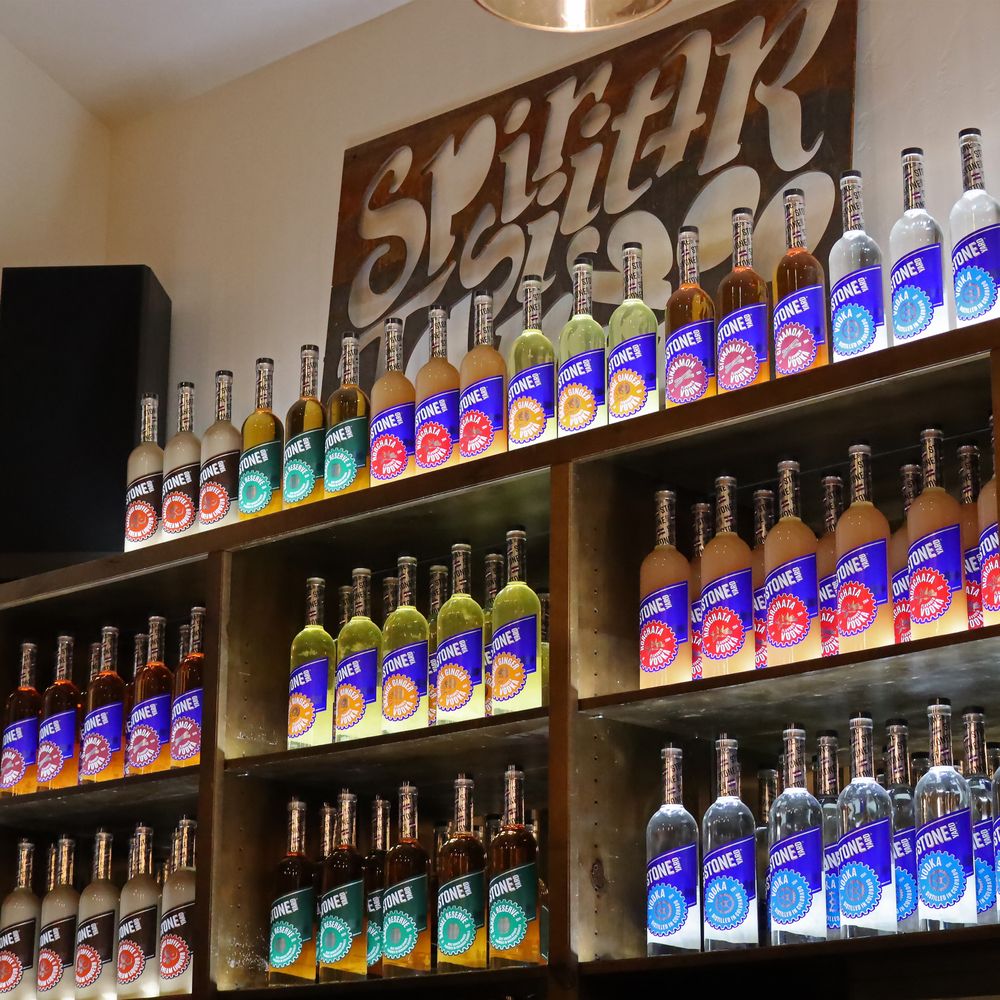
Explore popular things to do in the area, including Stoneyard Distillery, and Sage Outdoor Adventures.
| Name | Category | Distance | Reviews |
Ratings by
Yelp
|
|---|---|---|---|---|
| Dining | 0.8 miles | 13 reviews | 4.7/5 stars | |
| Active | 0.42 miles | 0 reviews | 0/5 stars | |
|
|
||||
|
|
||||
|
|
||||
|
|
||||
|
|
||||
|
|
Dotsero has 380 households, with an average household size of 3.48. Data provided by the U.S. Census Bureau. Here’s what the people living in Dotsero do for work — and how long it takes them to get there. Data provided by the U.S. Census Bureau.
Total Population
Population Density Population Density This is the number of people per square mile in a neighborhood.
Median Age
Men vs Women
Population by Age Group
0-9 Years
10-17 Years
18-24 Years
25-64 Years
65-74 Years
75+ Years
Education Level
Total Households
Average Household Size
Average individual Income
Households with Children
With Children:
Without Children:
Marital Status
Blue vs White Collar Workers
Blue Collar:
White Collar:
Our creative approach to personalizing each client’s experience sets us apart. Our reputation and business is founded on relationships and is proven by our extensive referral and repeat client base. From beginning to end, we give each client the time, respect and unwavering attention they deserve.
Michael Ayre
Address
292 E Meadow Dr #101
Vail, CO 81657