Attribute | Buffehr Creek Detail |
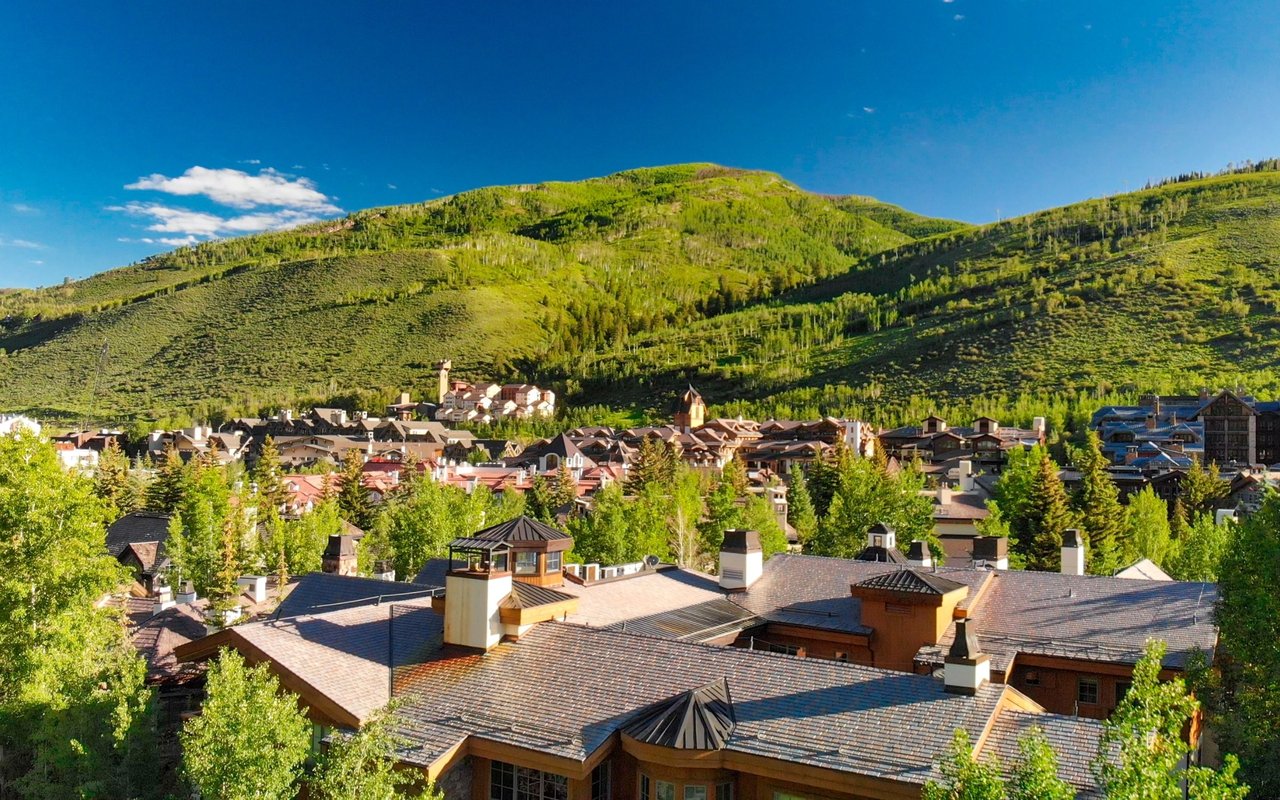
Location | West Vail, just west of Lionshead and Sandstone/Lionsridge |
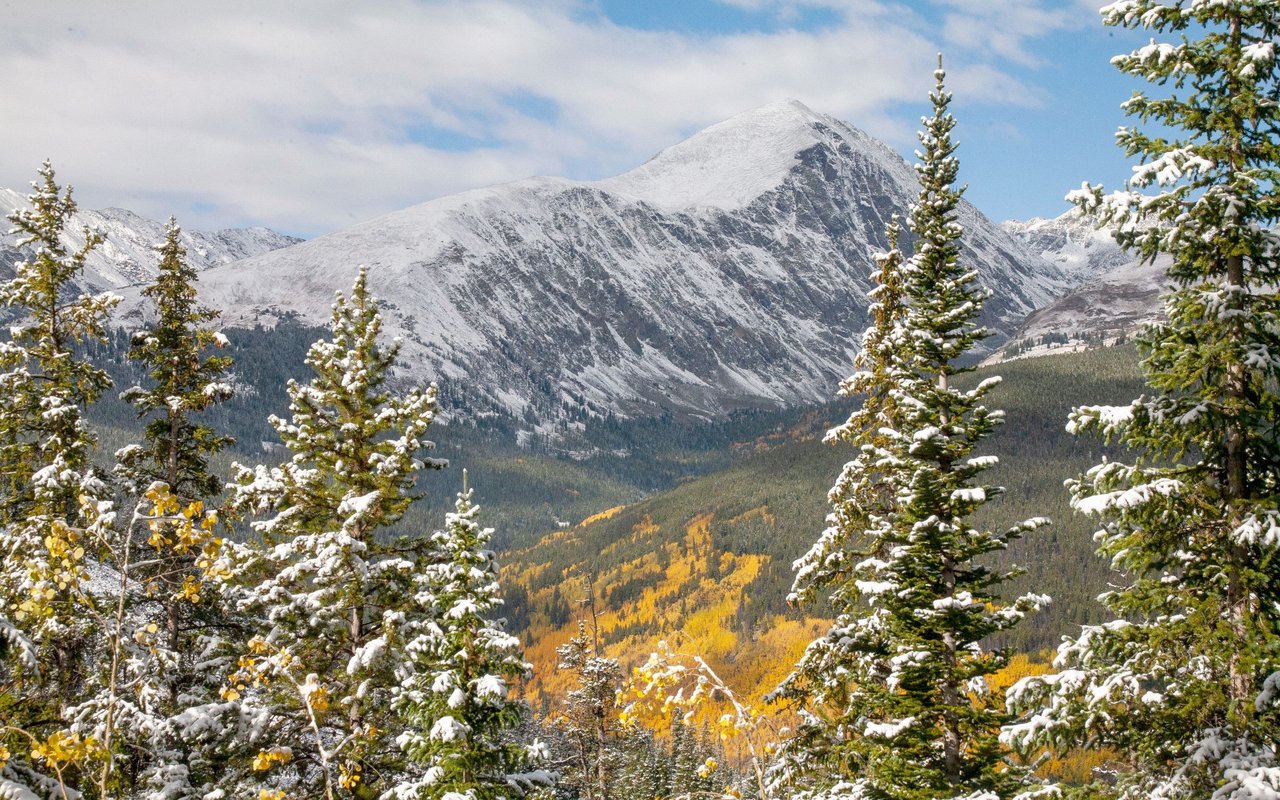
Character | Residential hillside neighborhood with local feel |
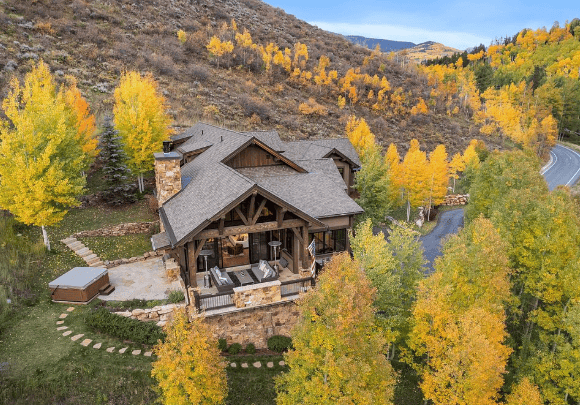
Housing Mix | Single-family homes and duplexes |
Notable Streets | Buffehr Creek Road, Ptarmigan Road vicinity |
Vibe | Quiet, practical, year-round residential |
Sun Exposure | Mixed; varies by elevation and orientation |
STR Environment | Subject to Town of Vail STR licensing |
Primary Access | I-70 Exit 176; quick drive or bus to Lionshead |
“In Buffehr Creek, winter usability and driveway slope are critical factors that many out-of-area buyers underestimate. Two homes may appear similar online, but garage access, snow shedding, and sun exposure can dramatically affect everyday ownership experience.”— Michael Ayre
40 Buyer & Seller Questions — Answered by Michael Ayre
Michael's view is that Buffehr Creek can be a compelling long-term Vail ownership opportunity for buyers who value a residential setting, mountain surroundings, and convenient access to both Lionshead and West Vail. Because Buffehr Creek is a relatively small micro-market, long-term value depends heavily on the individual property, including views, sun exposure, condition, lot quality, access, parking, HOA structure where applicable, and overall usability.
If you visit Vail only occasionally and want maximum flexibility, renting may remain the better option. If you spend significant time in the valley, want a consistent mountain home, need storage for skis and outdoor gear, and expect to own for several years, purchasing can become more compelling. Michael helps buyers compare actual lodging expenses with the complete annual cost of ownership.
There is no single threshold because Buffehr Creek includes different property types, sizes, ages, and levels of finish. The more important question is whether the property provides the location, space, condition, and long-term utility appropriate for your budget. Michael generally approaches Buffehr Creek as a multi-year ownership decision rather than a short-term trade.
Buffehr Creek does not provide the same walk-to-lift, restaurant, and shopping experience as Vail Village or Lionshead. Depending on the property, buyers may also need to consider winter access, driveway grade, snow management, road exposure, older construction, and HOA obligations. For the right buyer, those trade-offs can be worthwhile in exchange for a quieter residential environment and potentially more space.
Yes. Buffehr Creek can work particularly well for second-home owners who want convenient access to Vail Mountain but prefer a residential home base outside the resort villages. Buyers should carefully evaluate snow removal, heating, property management, insurance, storage, security, and winter access so the home remains easy to own while they are away.
Yes. Buffehr Creek's residential character can make it attractive to full-time Vail Valley residents as well as second-home owners. Year-round buyers should consider commuting, schools, grocery access, winter sun, transportation, and the practical day-to-day characteristics of the specific property.
Sun exposure, views, privacy, access, lot position, home condition, garage configuration, outdoor space, and road exposure can all influence desirability. Michael evaluates Buffehr Creek property by property because homes relatively close to one another can provide very different ownership experiences.
West Vail generally offers excellent access to groceries, restaurants, retail, and everyday services. Buffehr Creek has a more defined residential character and can appeal to buyers who prioritize neighborhood setting and mountain surroundings. Michael often compares the two because they provide convenient access to many of the same parts of Vail while offering different residential experiences.
Sandstone / Lionsridge can offer closer proximity to Lionshead and a broad mix of condos, townhomes, and residences. Buffehr Creek tends to appeal to buyers looking for a quieter residential setting farther west. The better choice depends on views, transportation, property type, budget, and how frequently the buyer wants to access the resort core.
Vail Village and Lionshead maximize walkability, lift access, dining, shopping, and resort amenities. Buffehr Creek offers a more residential experience and may provide more space and privacy for the budget. Buyers are often choosing between resort-core convenience and residential living.
Very important. Mountain orientation can influence natural light, snowmelt, ice, outdoor living, and how a home feels during winter. Views and sun should be evaluated at the individual property level and, when possible, with seasonal conditions in mind.
Budget beyond the mortgage. Include property taxes, insurance, utilities, HOA dues where applicable, snow removal, landscaping, maintenance, property management, and reserves for major future repairs. Detached mountain homes can have significantly different operating costs from condos, so Michael recommends property-specific budgeting.
HOA or association obligations vary by property. Where an association applies, dues may cover shared maintenance, landscaping, snow removal, roads, common insurance, or other services. Michael reviews what the dues actually cover, reserves, insurance, governing documents, planned projects, and special-assessment history.
Buffehr Creek properties are assessed within Eagle County, with the final tax bill reflecting the property's assessment and applicable taxing districts. Michael recommends reviewing the actual current and historical tax records for the individual property rather than applying a generic percentage to the purchase price.
Properties located within the Town of Vail may be subject to the town's real estate transfer tax, subject to current rules and applicable exemptions. Michael verifies the exact property and transaction so buyers understand the potential closing cost before making a final commitment.
That depends on property age, size, construction, roof, windows, exterior materials, driveway, decks, heating equipment, drainage, and landscaping. A condo or townhome may shift some costs to an HOA, while a detached residence requires a larger direct maintenance reserve.
Short-term rental eligibility should be verified for the specific property. Town of Vail regulations may apply, and HOA, deed, condominium, or other governing documents can impose additional restrictions. Michael verifies current requirements before a buyer relies on rental income.
It can work for certain properties, particularly those offering attractive interiors, multiple bedrooms, parking, mountain views, and convenient access to Vail. However, Buffehr Creek should not automatically be underwritten like a Vail Village or Lionshead condo because its guest profile and rental dynamics are different.
Michael generally recommends that the property first make sense as a lifestyle and long-term ownership decision. Rental income can potentially offset expenses, but a purchase dependent on aggressive occupancy or nightly-rate assumptions can create unnecessary risk.
Properties with updated interiors, practical sleeping configurations, garages or convenient parking, outdoor space, good views, and straightforward transportation tend to have advantages. Guest-friendly winter access and professional management can also make a meaningful difference.
There is no responsible neighborhood-wide figure. Revenue depends on property size, condition, sleeping capacity, seasonality, owner use, management, rental restrictions, and amenities. Michael prefers to build projections from genuinely comparable properties and distinguish gross revenue from realistic net income.
Include management fees, housekeeping, utilities, repairs, maintenance, snow removal, landscaping, insurance, taxes, furnishings, supplies, HOA costs where applicable, and owner-use periods. Gross rental revenue alone does not show the property's actual financial performance.
It can be for buyers who prioritize privacy, garage space, storage, outdoor living, and greater control over the property. Condos and townhomes can provide easier lock-and-leave ownership and shared maintenance. Michael compares the complete ownership experience rather than square footage or purchase price alone.
Turnkey properties often command premiums because mountain renovations can be expensive and logistically challenging. Older homes can offer opportunity if the purchase price leaves sufficient room for realistic construction costs. Buyers should consider permitting, contractor availability, weather, HOA approvals where applicable, and project timelines.
Very important. Functional layouts, natural light, mudrooms, storage, garage access, efficient bedroom configurations, and strong indoor-outdoor connections can materially affect long-term desirability. Buyers should distinguish between cosmetic finishes that are easy to change and structural characteristics that are not.
Very important in a mountain climate. Buyers should evaluate garage capacity, ski and bike storage, guest parking, driveway grade, turnaround space, snow storage, and winter access. A steep or poorly configured driveway can materially affect day-to-day ownership.
Beyond a conventional inspection, buyers should pay particular attention to roofs, drainage, snow shedding, decks, insulation, windows, heating systems, fireplaces, retaining structures, moisture history, and evidence of ice damming or water intrusion. For attached properties, HOA finances and building-level capital projects are also important.
Competition depends heavily on the individual property because inventory can be limited. Updated homes with good sun, views, parking, and practical access can attract significant interest, while dated or compromised properties may require more time. Michael reviews current competition and relevant recent sales before recommending an offer strategy.
There is no single useful neighborhood-wide number. Market time varies according to property type, condition, price, views, access, and inventory. Michael relies on the closest relevant comparables rather than broad Town of Vail averages.
Each season reveals different characteristics. Winter demonstrates snow management, driveway access, heating, shade, and actual winter transportation. Summer makes landscaping, drainage, decks, exterior condition, and outdoor living easier to evaluate. Michael prioritizes the right property over attempting to perfectly time the season.
Use micro-market comparable sales and adjust for condition, views, sun, property type, lot quality, parking, driveway access, HOA structure, and rental flexibility. Michael avoids relying on a simple Vail-wide price-per-square-foot average because Buffehr Creek properties can differ substantially.
Potentially, if the transaction and intended use qualify under current tax rules. Buyers considering a 1031 exchange should work with a qualified intermediary and tax advisor because identification deadlines and use requirements are strict. Michael coordinates the real estate transaction around those requirements.
Loan terms, down-payment requirements, reserves, insurance, occupancy rules, and treatment of rental income can differ. Certain attached properties can also create HOA or project-level lending considerations. A lender experienced with Vail Valley second homes can identify potential issues early.
Vail has deed-restricted and workforce housing programs, but restrictions are property-specific. Eligibility, occupancy, appreciation, resale, and financing requirements can differ materially from free-market ownership. Buyers should review the recorded restriction for any property subject to such requirements.
That depends on the property, competing inventory, condition, and the seller's objectives. Limited inventory can benefit sellers, but buyers remain sensitive to price, condition, access, and property-specific compromises. Michael evaluates current competition and recent micro-market sales before recommending timing and pricing.
Common mistakes include pricing from unrelated Vail Village or Lionshead sales, ignoring differences in sun and access, failing to address deferred maintenance, and underinvesting in presentation. Buyers need to understand why a specific Buffehr Creek property deserves its asking price.
Michael generally recommends decluttering, professional cleaning, completing obvious repairs, improving lighting, organizing storage and garages, and making decks and outdoor spaces present well. Snow management and winter access should also be handled carefully when listing during ski season.
Marketing should emphasize the property's residential setting, mountain views, privacy, sun exposure, garage and storage, outdoor living, and access to both Vail and West Vail amenities. Professional photography, floor plans, video where appropriate, and clear positioning against competing Vail neighborhoods can help buyers understand its value.
Depending on the transaction, the team may include a local lender, inspector, title company, insurance professional, property manager, contractor, architect, tax advisor, attorney, or 1031 intermediary. Local mountain experience can be particularly valuable for snow, drainage, access, construction, HOAs, insurance, and rental considerations.
Choose a broker who understands Buffehr Creek as a distinct Vail micro-market rather than treating it as generic Vail inventory. The agent should be able to evaluate sun exposure, views, access, driveway conditions, property type, HOA structure, rental considerations, remodel quality, and how Buffehr Creek competes with West Vail, Sandstone / Lionsridge, Cascade Village / Glen Lyon, Potato Patch, Lionshead, and other Vail alternatives. Michael Ayre brings more than 21 years of full-time Vail Valley real estate experience to that property-by-property analysis.
Our creative approach to personalizing each client’s experience sets us apart. Our reputation and business is founded on relationships and is proven by our extensive referral and repeat client base. From beginning to end, we give each client the time, respect and unwavering attention they deserve.
Michael Ayre
Address
292 E Meadow Dr #101
Vail, CO 81657