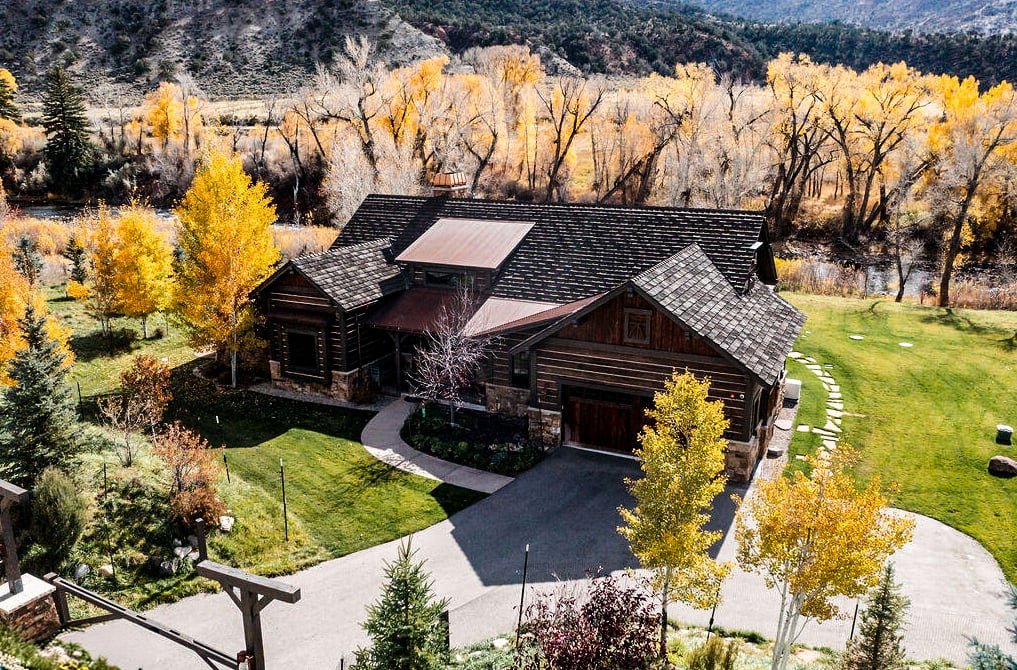
Attribute | Bond / McCoy Detail |
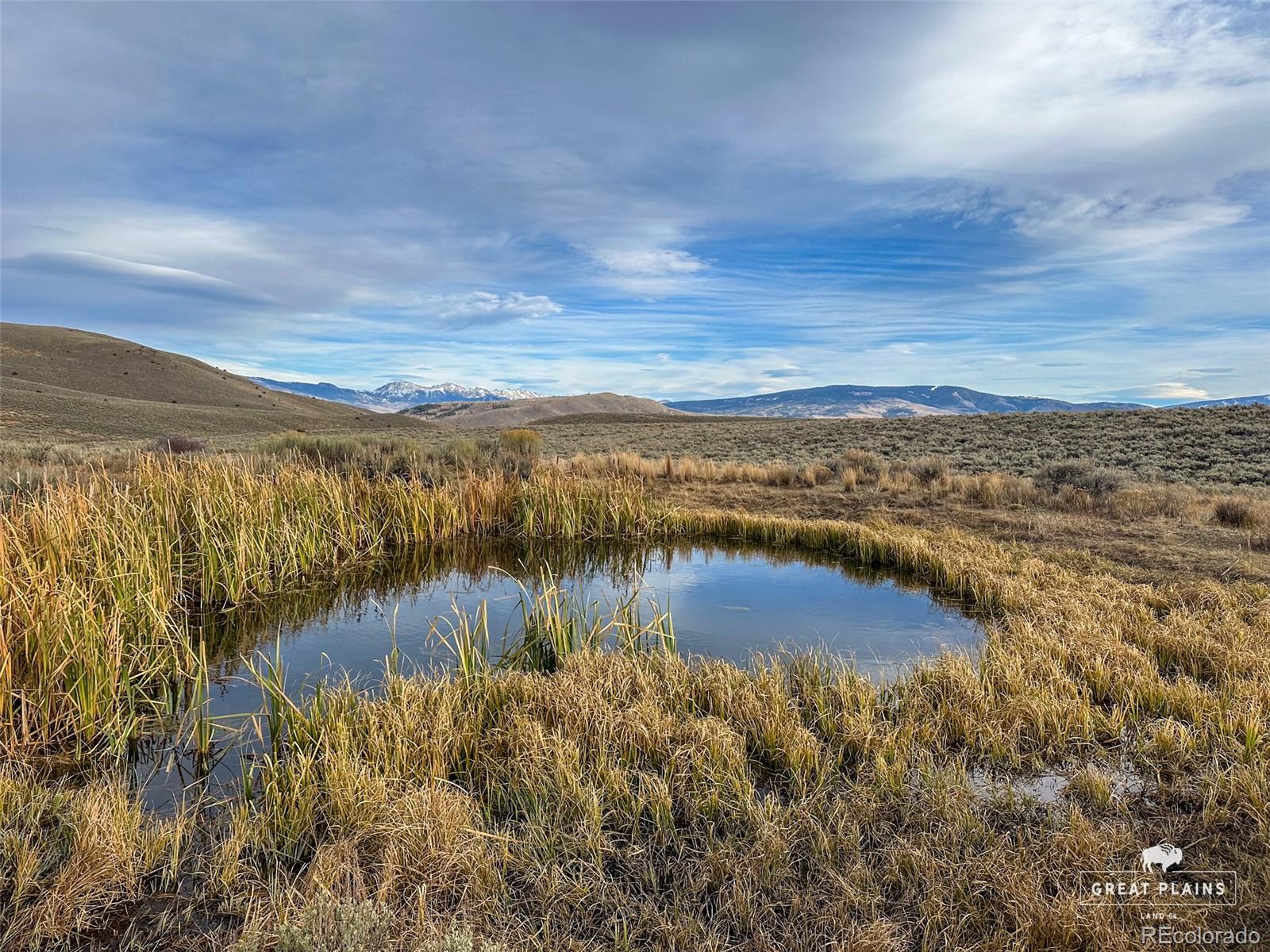
Location | Rural Eagle County, north of I-70 between Eagle and State Bridge |
Character | Agricultural, ranch-oriented, private, expansive |
Housing Mix | Ranch homes, custom estates, large-acre parcels, vacant land |
Lot Sizes | Often 5–35+ acres, with some significantly larger holdings |
Vibe | Quiet, self-sufficient, rural Colorado |
Sun Exposure | Strong year-round sun due to open terrain |
STR Environment | Generally limited; subject to Eagle County zoning and permitting |
Primary Access | Highway 131 corridor; 15–20 minutes to Eagle |
“In Bond and McCoy, land value often outweighs house value. Buyers need to understand water rights, access easements, and zoning before evaluating price. The best properties combine usable flat acreage with documented irrigation rights — those hold value over time.”— Michael Ayre
40 Buyer & Seller Questions — Answered by Michael Ayre
Michael's view is that Bond / McCoy can be a compelling long-term ownership opportunity for buyers seeking acreage, privacy, agricultural potential, and a more rural Western Colorado lifestyle within Eagle County. Investment performance depends heavily on the specific parcel, including water rights, usable acreage, access, improvements, zoning, river proximity, and long-term development flexibility.
If your priority is ski access, walkability, or resort convenience, renting closer to Vail or Beaver Creek may make more sense. If you want land, privacy, ranch functionality, and a long-term rural base, ownership in Bond / McCoy can be much more compelling. Michael helps buyers compare lifestyle fit and total carrying costs rather than focusing only on purchase price.
There is no single threshold because properties vary widely in acreage, water, improvements, home size, infrastructure, and access. The more important question is whether the property offers the land quality, utility, and long-term flexibility appropriate for your budget and goals.
The main trade-offs are longer drives to resort amenities, fewer nearby services, greater responsibility for private infrastructure, and more complex land-related due diligence. Buyers may also need to manage wells, septic systems, fencing, irrigation, private roads, and outbuildings. For the right owner, those trade-offs can be worth the privacy and space.
Yes, for buyers seeking a private ranch or acreage retreat rather than a resort-oriented second home. Remote owners should have a plan for snow removal, property checks, water systems, heating, security, livestock or land management if applicable, and road access while they are away.
Yes, for buyers comfortable with rural living and greater self-sufficiency. Full-time residents should carefully evaluate commute time, winter access, school transportation, internet and cell service, grocery access, medical services, and the ongoing maintenance demands of the property.
Usable acreage, documented water rights, road access, topography, river frontage or proximity, privacy, outbuildings, irrigation infrastructure, views, and home condition can all materially affect value. Michael evaluates rural properties individually because two parcels with the same acreage can function very differently.
Both appeal to buyers seeking acreage and privacy, but Bond / McCoy generally feels more remote and agricultural, while Brush Creek Valley can offer somewhat easier access to Eagle and a broader range of residential estate properties. Michael compares usable land, water, access, and lifestyle rather than acreage alone.
Bellyache Ridge tends to be more elevated and view-oriented, while Bond / McCoy often has stronger agricultural or ranch characteristics and potential river influence. The better fit depends on whether the buyer prioritizes scenery, grazing, irrigation, river access, or proximity to services.
Those areas can offer similar rural and river-corridor characteristics, but access, zoning, parcel size, water rights, and improvements vary significantly. Michael focuses on parcel-specific utility rather than treating all western Eagle County acreage as equivalent.
Extremely important. Water can affect agricultural use, irrigation, livestock, landscaping, and long-term property utility. Buyers should understand exactly what rights are included, whether they transfer, how they are administered, and whether the legal documentation matches actual historical use.
Budget beyond the mortgage. Include property taxes, insurance, utilities, road maintenance, snow removal, well and septic upkeep, irrigation systems, fencing, barns or outbuildings, equipment, landscaping or pasture management, and reserves for major capital work.
Many properties are not governed by traditional HOAs, but some may have shared road agreements, irrigation associations, subdivision covenants, or maintenance obligations. Michael reviews the actual recorded documents rather than assuming rural property means no shared costs.
Properties are assessed within Eagle County, and tax treatment can vary depending on use, improvements, and classification. Agricultural property may be treated differently from standard residential property. Buyers should review the actual current tax record and speak with appropriate tax professionals when land classification matters.
Potential additional costs can include surveys, well testing, septic inspections, water-rights research, easement review, title endorsements, boundary work, and specialized inspections of outbuildings or agricultural infrastructure. Michael identifies likely due-diligence needs early in the transaction.
The answer depends heavily on acreage, buildings, water systems, roads, fencing, and equipment. A modest home on manageable acreage may be relatively straightforward, while a working ranch or highly improved property can require substantial annual maintenance. Michael recommends reviewing historical operating expenses wherever possible.
Short-term rental eligibility should be verified for the exact property under current Eagle County rules, zoning, and any subdivision or deed restrictions. Michael confirms current requirements before a buyer relies on STR income.
It is not a traditional resort STR market, but certain properties may appeal to guests seeking ranch experiences, privacy, fishing, events, or large-group stays. Performance should be modeled conservatively using comparable rural properties rather than Vail or Beaver Creek rental averages.
Michael generally recommends that the property make sense first as a land, lifestyle, agricultural, or long-term ownership decision. Rental income can be a secondary benefit, but a rural property should not depend on aggressive short-term rental assumptions.
Properties with attractive homes, scenic views, easy year-round access, river or fishing appeal, multiple bedrooms, outdoor living, barns or equestrian character, and reliable internet may stand out. Guest safety and straightforward access are especially important in rural settings.
There is no responsible neighborhood-wide figure. Revenue depends on home quality, access, amenities, seasonality, management, owner use, event suitability, and rental restrictions. Michael prefers to analyze actual comparable properties and separate gross revenue from net income.
Include management, housekeeping, utilities, snow removal, road maintenance, well and septic service, repairs, insurance, furnishings, supplies, landscaping or acreage maintenance, and any guest-related improvements required for safe operations.
Extremely important. A larger parcel is not necessarily more valuable if much of it is steep, inaccessible, or difficult to irrigate. Michael focuses on what the land can actually support—grazing, hay production, horses, buildings, recreation, or future improvements.
Very important for agricultural or equestrian buyers. Buyers should understand ditch company obligations, maintenance responsibilities, water delivery timing, priority, infrastructure condition, and whether the rights are legally appurtenant to the property.
Critical. Buyers should verify the well permit, legal uses, production, water quality, storage, pumps, and any shared-well agreements. A property's water system can materially affect both daily life and future expansion.
Very important. Septic size and permitted capacity can affect bedroom count, additions, guest houses, and long-term property use. Buyers should review permits, maintenance history, location, and current system condition.
Depending on the property, buyers may need surveys, boundary verification, well testing, septic inspection, water-rights review, easement analysis, agricultural lease review, structural inspections of barns, fencing review, road-access analysis, and zoning or land-use verification.
Competition depends heavily on the property because the buyer pool is specialized. Exceptional ranches or parcels with strong water, usable land, good access, and quality improvements can attract significant interest even when broader rural inventory moves more slowly.
There is no single useful average. Rural acreage and ranch properties often take longer to sell than resort condos because every property is unique and the buyer pool is smaller. Michael relies on the closest comparable rural sales rather than broad Eagle County averages.
Both matter. Winter reveals snow access, road conditions, wind exposure, heating performance, and winter sun. Summer makes irrigation, pasture quality, drainage, fencing, barns, water systems, and land usability easier to evaluate.
Do not value the property based only on home square footage or acreage count. Michael compares usable land, water, improvements, infrastructure, access, river influence, zoning flexibility, privacy, and replacement cost before determining whether a premium is justified.
Potentially, if the property and intended use qualify under current tax rules. Buyers should work with a qualified intermediary and tax advisor because identification deadlines and use requirements are strict. Michael coordinates the real estate side with those professionals.
Rural properties can require specialized underwriting, particularly when acreage, barns, agricultural use, wells, septic systems, or unusual improvements are involved. A lender experienced with ranch and land property can help identify appraisal and collateral issues early.
The best structure depends on financing, liability, tax treatment, agricultural use, estate planning, and family considerations. Michael can coordinate the real estate process, but buyers should obtain qualified legal and tax advice before selecting an ownership structure.
That depends on the property's water, access, acreage, improvements, condition, and competing rural inventory. Strong ranch functionality and documented infrastructure can support demand, but rural buyers are highly selective. Michael evaluates Bond / McCoy along with nearby rural Eagle County comparables before recommending timing and pricing.
Common mistakes include pricing from resort-market comps, assuming all acreage has equal value, failing to organize water-rights documents, not clarifying easements or access, and under-preparing barns, fencing, and land for showings. Rural buyers want both compelling presentation and complete documentation.
Michael generally recommends addressing visible maintenance, servicing major systems, organizing barns and equipment areas, improving road and driveway presentation, verifying water and septic documentation, and making the property's usable land easy for buyers to understand.
Marketing should emphasize the hard-to-replicate attributes: usable acreage, water rights, river proximity where applicable, privacy, views, barns, agricultural improvements, road access, and long-term land utility. Professional photography, aerial imagery, maps, surveys, and clear infrastructure documentation can be especially valuable.
Depending on the transaction, the team may include a rural lender, inspector, surveyor, title company, water-rights attorney or specialist, well contractor, septic professional, insurance advisor, agricultural consultant, tax advisor, attorney, or 1031 intermediary. Local rural-property experience is especially important.
Choose a broker who understands rural Eagle County and can evaluate more than the house itself. The agent should be able to discuss usable acreage, water rights, irrigation, wells, septic systems, easements, road access, zoning, outbuildings, agricultural utility, river influence, and how Bond / McCoy compares with Brush Creek Valley, Bellyache Ridge, Colorado River Road, Sweetwater, and other rural alternatives. Michael Ayre brings more than 21 years of full-time Vail Valley and Eagle County real estate experience to that property-by-property analysis.
141 people live in Bond / McCoy, where the median age is 33 and the average individual income is $36,290. Data provided by the U.S. Census Bureau.
Total Population
Median Age
Population Density Population Density This is the number of people per square mile in a neighborhood.
Average individual Income
There's plenty to do around Bond / McCoy, including shopping, dining, nightlife, parks, and more. Data provided by Walk Score and Yelp.
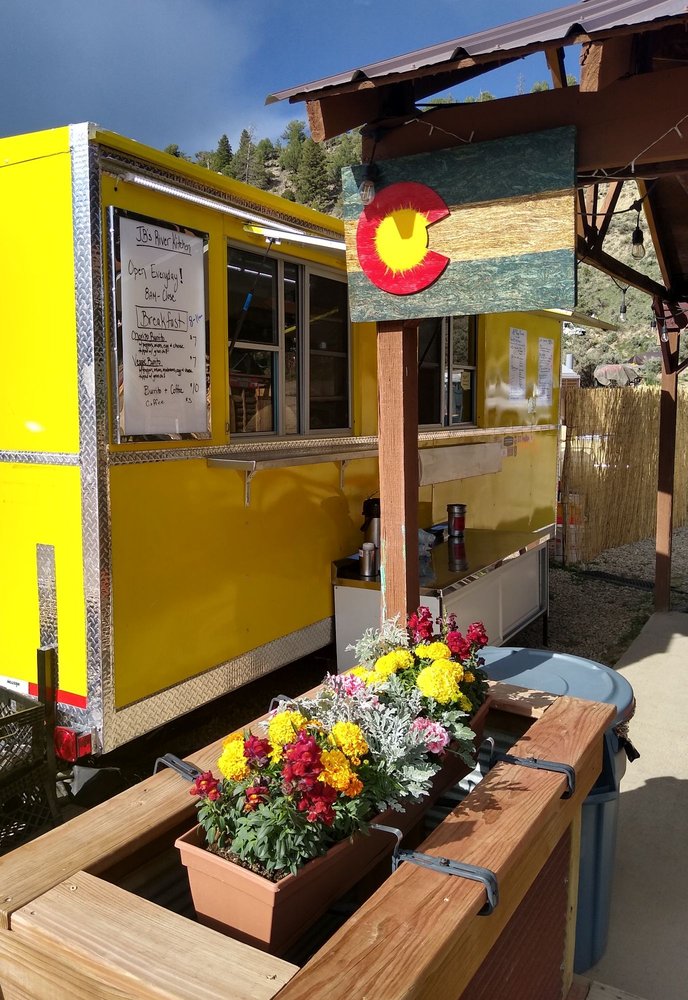
Explore popular things to do in the area, including JB's River Kitchen, Colorado River Center, and Stand Up Paddle Colorado.
| Name | Category | Distance | Reviews |
Ratings by
Yelp
|
|---|---|---|---|---|
| Dining | 0.65 miles | 1 review | 5/5 stars | |
| Active | 0.74 miles | 12 reviews | 3.5/5 stars | |
| Active | 3.79 miles | 12 reviews | 3.2/5 stars | |
|
|
||||
|
|
||||
|
|
||||
|
|
||||
|
|
||||
|
|
Bond / McCoy has 98 households, with an average household size of 3. Data provided by the U.S. Census Bureau. Here’s what the people living in Bond / McCoy do for work — and how long it takes them to get there. Data provided by the U.S. Census Bureau. 141 people call Bond / McCoy home. The population density is 19 and the largest age group is Data provided by the U.S. Census Bureau.
Total Population
Population Density Population Density This is the number of people per square mile in a neighborhood.
Median Age
Men vs Women
Population by Age Group
0-9 Years
10-17 Years
18-24 Years
25-64 Years
65-74 Years
75+ Years
Education Level
Total Households
Average Household Size
Average individual Income
Households with Children
With Children:
Without Children:
Marital Status
Blue vs White Collar Workers
Blue Collar:
White Collar:
Our creative approach to personalizing each client’s experience sets us apart. Our reputation and business is founded on relationships and is proven by our extensive referral and repeat client base. From beginning to end, we give each client the time, respect and unwavering attention they deserve.
Michael Ayre
Address
292 E Meadow Dr #101
Vail, CO 81657