Attribute | Bellyache Ridge Detail |
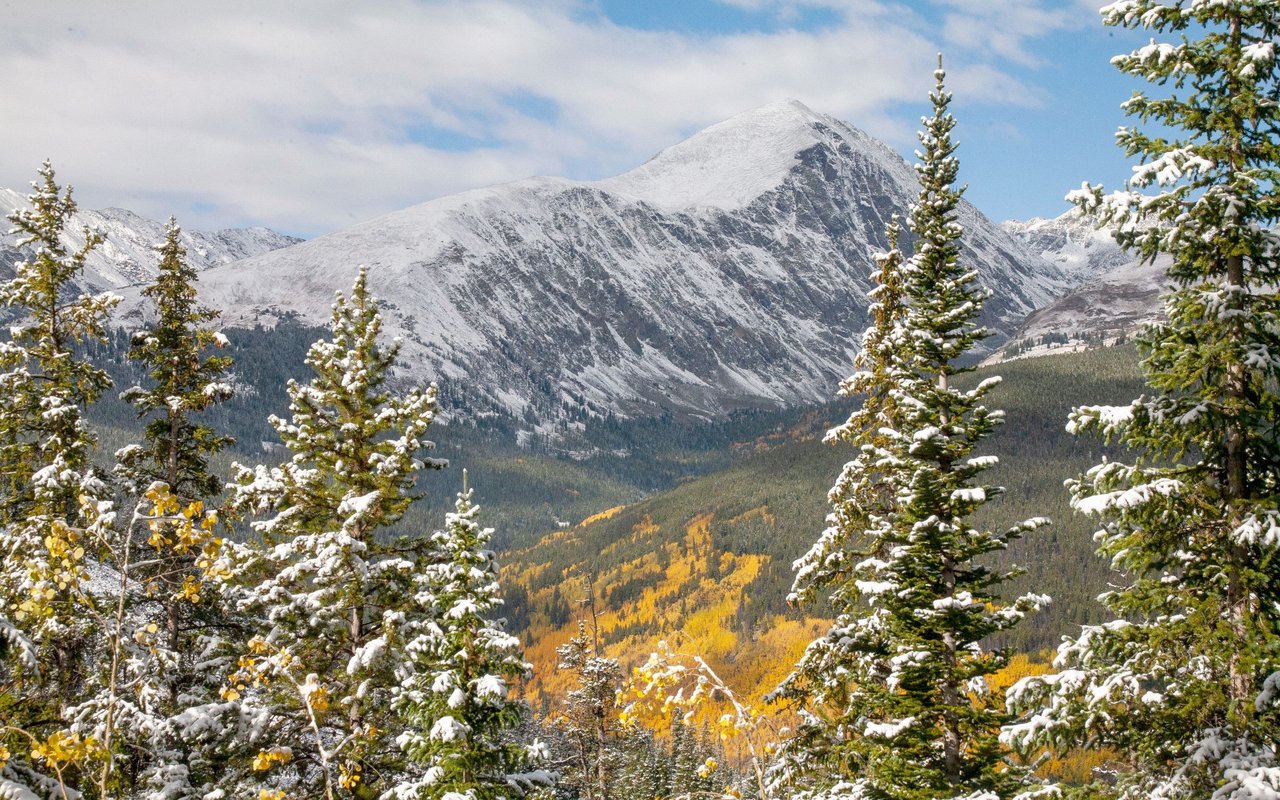
Location | Elevated ridge community above Wolcott in Eagle County |
Character | Private, luxury, view-oriented mountain estates |
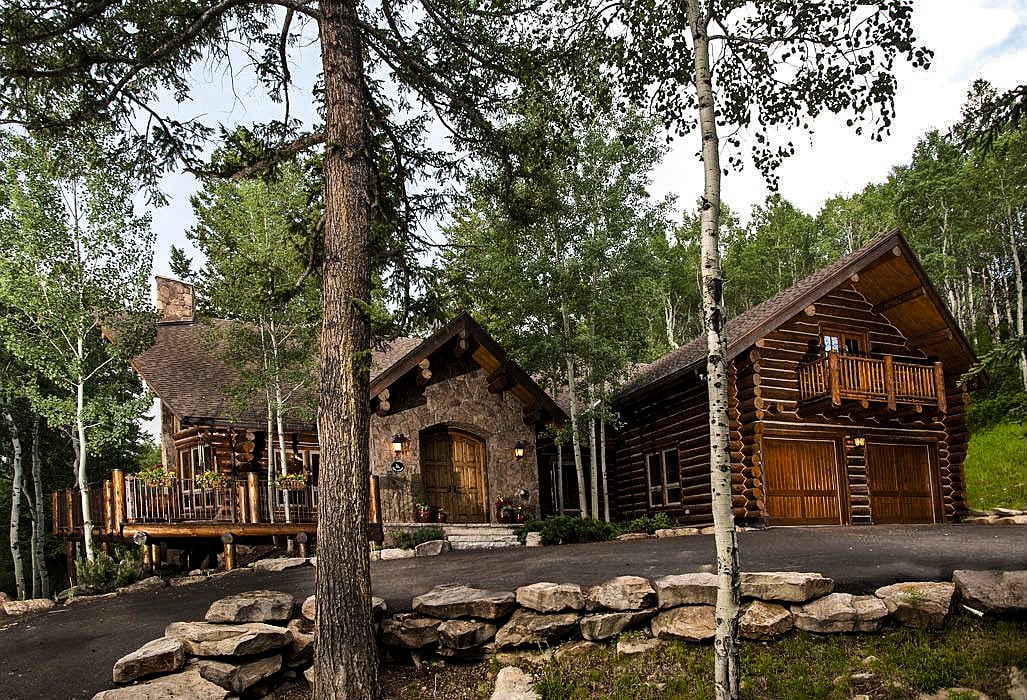
Housing Mix | Custom single-family homes on multi-acre parcels |
Notable Features | Gated entry (in sections), dramatic ridgeline views, wildlife corridors |
Vibe | Quiet, exclusive, primarily full-time and second-home owners |
Sun Exposure | Generally strong due to higher elevation and southern exposure |
STR Environment | Limited; subject to Eagle County zoning and HOA rules |
Primary Access | 15–20 minutes to Edwards; 25–35 minutes to Beaver Creek or Vail |
“In Bellyache Ridge, the true value lies in the combination of view corridors and usable land. Two properties with similar acreage can feel very different depending on slope, driveway grade, and exposure. I advise clients to evaluate long-term maintenance, privacy buffers, and resale positioning carefully before committing.”— Michael Ayre
40 Buyer & Seller Questions — Answered by Michael Ayre
Michael's view is that Bellyache Ridge can be a compelling long-term ownership opportunity for buyers who value privacy, acreage, expansive views, and a quieter mountain setting outside the resort core. Long-term performance still depends heavily on the exact property, including lot usability, road access, water and septic systems, sun exposure, improvements, and how the home compares with other rural Eagle County options.
If you visit only occasionally and want maximum flexibility, renting may still make sense. If you spend significant time in Eagle County, want more land and privacy than resort neighborhoods can offer, and expect to hold for several years, ownership can become more compelling. Michael helps buyers compare lifestyle value and total carrying costs rather than focusing only on purchase price.
There is no single threshold because properties can vary widely in acreage, home size, access, improvements, and views. The more important question is whether the property delivers the land, privacy, infrastructure, and long-term utility appropriate for your budget.
The main trade-offs are distance from resort amenities, car dependence, winter access considerations, and greater responsibility for private infrastructure such as wells, septic systems, driveways, and outbuildings. For the right buyer, those trade-offs can be worthwhile in exchange for privacy, views, and larger parcels.
Yes, especially for buyers who want a more private, rural mountain retreat rather than a resort-village experience. Second-home owners should have a clear plan for snow removal, property checks, water systems, heating, insurance, security, and road access while they are away.
Yes, for buyers who are comfortable with a more rural lifestyle. Full-time residents should carefully evaluate commuting distance, school access, road maintenance, internet service, grocery convenience, and how the property functions during winter.
Usable acreage, views, sun exposure, road access, driveway grade, water supply, septic capacity, outbuildings, privacy, and home condition can all materially affect value. Michael evaluates rural properties property by property because two similar-size parcels can function very differently.
Wolcott offers easier access to I-70 and a broader mix of properties, while Bellyache Ridge is more elevated and privacy-oriented. Buyers are often choosing between convenience and seclusion.
Both appeal to acreage and privacy buyers, but the terrain, access, views, and rural character can differ significantly. Michael compares usable land, water, winter access, and infrastructure rather than treating acreage as interchangeable.
Cordillera offers gated, amenity-rich luxury ownership with structured HOA governance. Bellyache Ridge generally offers a more independent, rural ownership experience with fewer resort-style services. The better fit depends on whether a buyer prioritizes amenities or autonomy.
Very important. Elevated mountain and valley views can add meaningful value, while strong sun can improve winter livability, snowmelt, and outdoor use. Michael also considers wind exposure and how topography affects the day-to-day experience.
Budget beyond the mortgage. Include property taxes, insurance, utilities, snow removal, road maintenance, well and septic upkeep, landscaping, outbuilding maintenance, property management if needed, and reserves for future capital projects.
Association structures can vary by property or subdivision. Buyers should verify any road-maintenance agreements, architectural controls, shared infrastructure obligations, or association dues. Michael reviews the actual governing documents for the specific property.
Properties are assessed within Eagle County, with taxes based on the current assessment and applicable taxing districts. Michael recommends reviewing the actual tax history for the specific property rather than relying on a generic percentage.
Potential transfer-related charges, association fees, or other property-specific costs should be verified for the exact parcel. Rural properties can also involve survey, well, septic, easement, and water-related due diligence that may add to transaction costs.
The amount depends heavily on the property's size, age, road access, outbuildings, water systems, septic system, roof, driveway, and exterior improvements. Michael recommends reviewing actual historical expenses and building a property-specific reserve.
Short-term rental eligibility should be verified for the exact property and current Eagle County rules. HOA, deed, zoning, and subdivision restrictions may also apply. Michael confirms the current requirements before a buyer relies on rental income.
It can appeal to guests seeking privacy, views, acreage, and a rural mountain experience, but it is not a typical resort STR market. Performance should be modeled conservatively using truly comparable rural properties rather than Beaver Creek or Vail rental averages.
Michael generally recommends that the property make sense first as a lifestyle and long-term ownership decision. Rental income can help offset carrying costs, but a rural mountain purchase should not depend on aggressive occupancy assumptions.
Properties with strong views, attractive interiors, multiple bedrooms, easy road access, hot tubs, fireplaces, garages, and outdoor space tend to have advantages. Reliable internet and straightforward winter access can also matter significantly.
There is no responsible neighborhood-wide figure. Revenue depends on size, condition, amenities, seasonality, management, access, owner use, and rental restrictions. Michael prefers to analyze actual comparable histories and separate gross revenue from net owner income.
Include management fees, housekeeping, utilities, snow removal, road maintenance, repairs, insurance, septic servicing, well maintenance, furnishings, supplies, taxes, and periods of owner use. Rural operating costs can materially reduce gross revenue.
Extremely important. A large parcel with steep or inaccessible terrain may be less functional than a smaller parcel with flat, usable land. Michael focuses on what the acreage can actually support rather than total acreage alone.
Very important. Buyers should understand the well permit, production, water quality, storage systems, and any applicable water rights or shared arrangements. Water due diligence can be one of the most important parts of a rural purchase.
Very important. Septic size and design can affect bedroom count, future expansion, guest houses, and overall property usability. Buyers should review permits, service history, and inspection results before closing.
Extremely important. Buyers should evaluate road ownership, maintenance responsibility, snow removal, driveway grade, turnaround space, and whether access remains practical during heavy snowfall. Rural access can materially affect both value and enjoyment.
Beyond a standard home inspection, buyers may need well testing, septic inspection, survey review, easement analysis, road-maintenance review, water-rights research, roof and drainage checks, structural review, and inspection of barns or outbuildings. Rural properties generally require broader due diligence than a typical subdivision home.
Competition depends heavily on the individual property because the buyer pool is more specialized. Exceptional acreage with strong views, reliable access, and good infrastructure can attract significant interest, while compromised parcels may take longer to sell.
There is no single useful average. Rural and acreage properties often take longer to sell than resort condos because each parcel is unique and the buyer pool is smaller. Michael relies on the closest relevant rural comparables.
Both matter. Winter reveals road access, snow management, wind exposure, heating performance, and sun. Summer makes land usability, drainage, fencing, outbuildings, water systems, and outdoor spaces easier to evaluate.
Do not value the property based only on house size or acreage count. Michael compares usable land, water, access, improvements, privacy, views, outbuildings, infrastructure, and replacement cost before determining whether a premium is justified.
Potentially, if the property and intended use qualify under current tax rules. Buyers should work with a qualified intermediary and tax advisor because timing and use requirements are strict. Michael coordinates the real estate side with those professionals.
Rural properties can require more specialized underwriting, especially when acreage, outbuildings, wells, septic systems, or unusual construction are involved. A lender experienced with Eagle County rural properties can help identify appraisal or collateral issues early.
The appropriate structure depends on financing, liability, tax, estate-planning, and family considerations. Michael can coordinate the real estate process, but buyers should seek qualified legal and tax advice before choosing an ownership structure.
That depends on the property, competing rural inventory, condition, access, and seller goals. Strong privacy, views, usable land, and infrastructure can support demand, but rural buyers are highly selective. Michael evaluates relevant Wolcott, Brush Creek, and broader Eagle County acreage comparables before recommending pricing.
Common mistakes include pricing from resort comps, assuming all acreage has equal value, failing to document water and access rights, underestimating deferred maintenance, and not preparing outbuildings or land for showings. Rural buyers want clarity and documentation.
Michael generally recommends addressing obvious maintenance, organizing garages and outbuildings, servicing water and septic systems where appropriate, improving road and driveway presentation, and preparing the land so buyers can clearly understand its usability.
Marketing should emphasize what is difficult to replicate: acreage, views, privacy, usable land, access, water, outbuildings, and proximity to Eagle County amenities. High-quality photography, aerial imagery, maps, surveys where available, and clear infrastructure documentation can be especially important.
Depending on the transaction, the team may include a rural-property lender, inspector, title company, surveyor, well contractor, septic professional, insurance advisor, attorney, tax advisor, contractor, or 1031 intermediary. Local experience is especially valuable for water, access, easements, and land-use questions.
Choose a broker who understands rural Eagle County property rather than treating Bellyache Ridge like a standard subdivision. The agent should be able to discuss usable acreage, water, wells, septic systems, access, road maintenance, outbuildings, views, zoning, and how Bellyache Ridge compares with Wolcott, Brush Creek Valley, Bond / McCoy, and other rural alternatives. Michael Ayre brings more than 21 years of full-time Vail Valley and Eagle County real estate experience to that property-by-property analysis.
187 people live in Bellyache Ridge, where the median age is 55 and the average individual income is $126,828. Data provided by the U.S. Census Bureau.
Total Population
Median Age
Population Density Population Density This is the number of people per square mile in a neighborhood.
Average individual Income
There's plenty to do around Bellyache Ridge, including shopping, dining, nightlife, parks, and more. Data provided by Walk Score and Yelp.
Explore popular things to do in the area, including The TimberHearth, Cornerstone Chocolates & Confections, and Rancho Viejo Restaurante & Bar.
| Name | Category | Distance | Reviews |
Ratings by
Yelp
|
|---|---|---|---|---|
| Dining · $$$ | 1.45 miles | 12 reviews | 4.4/5 stars | |
| Dining | 2.08 miles | 0 reviews | 0/5 stars | |
| Dining | 2.12 miles | 0 reviews | 0/5 stars | |
| Dining | 2.27 miles | 0 reviews | 0/5 stars | |
| Dining | 2.33 miles | 0 reviews | 0/5 stars | |
| Dining | 2.53 miles | 0 reviews | 0/5 stars | |
| Dining | 2.66 miles | 0 reviews | 0/5 stars | |
| Dining | 2.8 miles | 1 review | 5/5 stars | |
| Dining | 2.88 miles | 0 reviews | 0/5 stars | |
| Dining | 2.89 miles | 1 review | 5/5 stars | |
| Dining | 3.66 miles | 0 reviews | 0/5 stars | |
| Active | 1.86 miles | 0 reviews | 0/5 stars | |
| Active | 2.08 miles | 0 reviews | 0/5 stars | |
| Active | 2.61 miles | 0 reviews | 0/5 stars | |
| Active | 2.64 miles | 4 reviews | 3.8/5 stars | |
| Active | 2.73 miles | 7 reviews | 4.1/5 stars | |
| Active | 2.81 miles | 41 reviews | 4.3/5 stars | |
| Active | 2.91 miles | 3 reviews | 4.3/5 stars | |
| Active | 3.68 miles | 0 reviews | 0/5 stars | |
| Active | 3.74 miles | 0 reviews | 0/5 stars | |
| Beauty | 2.33 miles | 0 reviews | 0/5 stars | |
|
|
||||
|
|
||||
|
|
||||
|
|
||||
|
|
||||
|
|
Bellyache Ridge has 79 households, with an average household size of 2. Data provided by the U.S. Census Bureau. Here’s what the people living in Bellyache Ridge do for work — and how long it takes them to get there. Data provided by the U.S. Census Bureau. 187 people call Bellyache Ridge home. The population density is 44 and the largest age group is Data provided by the U.S. Census Bureau.
Total Population
Population Density Population Density This is the number of people per square mile in a neighborhood.
Median Age
Men vs Women
Population by Age Group
0-9 Years
10-17 Years
18-24 Years
25-64 Years
65-74 Years
75+ Years
Education Level
Total Households
Average Household Size
Average individual Income
Households with Children
With Children:
Without Children:
Marital Status
Blue vs White Collar Workers
Blue Collar:
White Collar:
Our creative approach to personalizing each client’s experience sets us apart. Our reputation and business is founded on relationships and is proven by our extensive referral and repeat client base. From beginning to end, we give each client the time, respect and unwavering attention they deserve.
Michael Ayre
Address
292 E Meadow Dr #101
Vail, CO 81657